
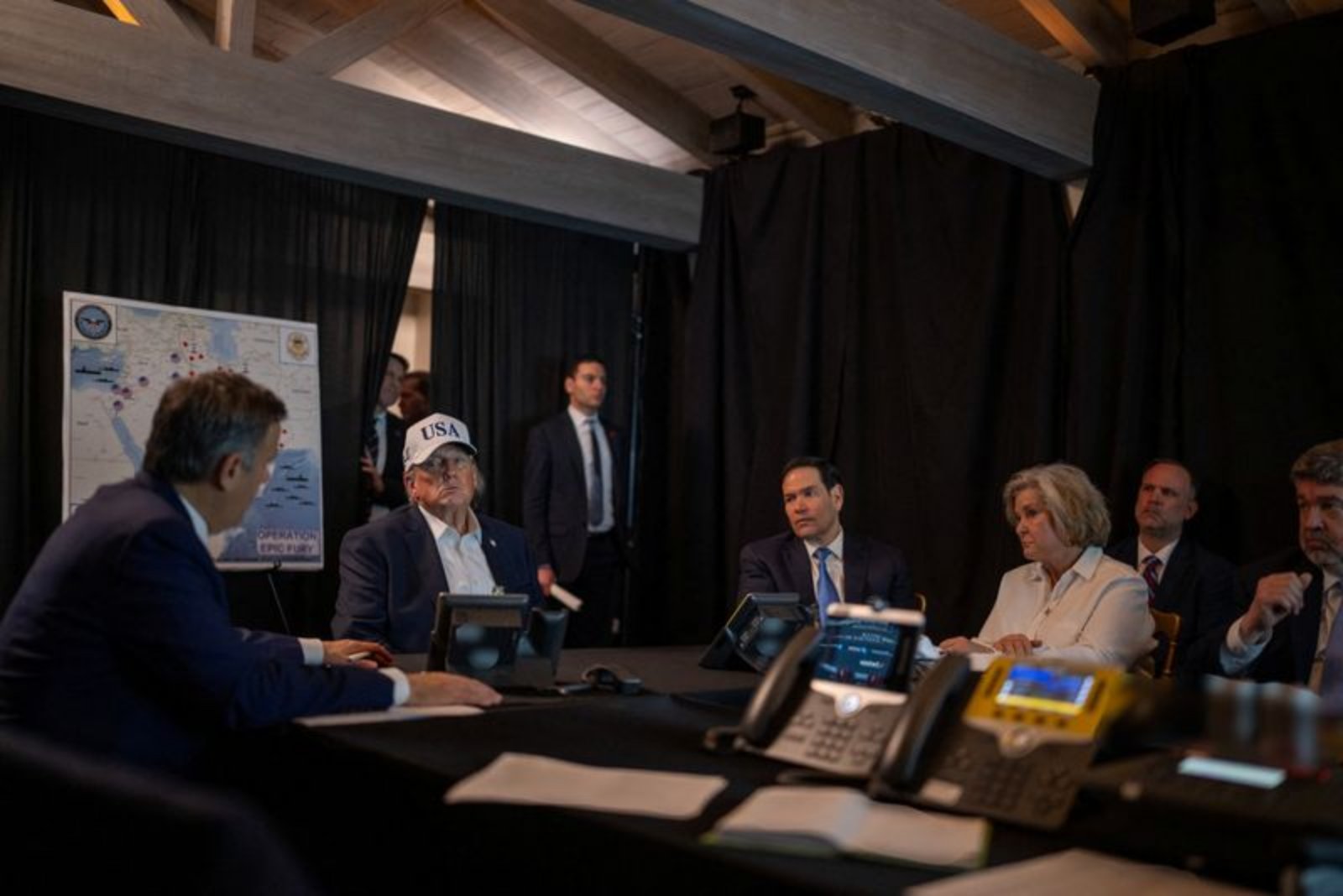
Public backing for the U.S. military action that killed Iran's leader is limited, with roughly one in four Americans saying they approve of the strikes, according to a Reuters/Ipsos poll that concluded on Sunday. The survey found 27% of respondents approved, while 43% disapproved and 29% said they were not sure.
The poll captured reactions as the strikes began early on Saturday and indicated high public awareness: about nine in 10 respondents reported having heard at least a little about the event.
Beyond approval of the strikes themselves, the poll also measured broader views of President Donald Trump's readiness to employ military force. Some 56% of respondents said they believe Mr. Trump is too willing to use military force to advance U.S. interests. That view was particularly widespread among Democrats, with 87% holding that judgment. Among Republicans, 23% said the president is too willing to use force, while 60% of respondents who do not identify with either major party expressed the same concern.
The poll noted that Mr. Trump has ordered strikes in several countries in recent months, with the questionnaire referencing actions in Venezuela, Syria and Nigeria as part of that broader pattern of use of force mentioned by respondents.
Methodologically, the poll began on Saturday as the strikes were under way and collected responses online from 1,282 U.S. adults nationwide. The margin of error for the survey is plus or minus three percentage points.
These results show a nation divided in its assessment of immediate military action and the executive's propensity to deploy force. A plurality disapproves of the strikes, a substantial minority remain undecided, and a majority view the president as too quick to use military power, with sharp contrasts between partisan groups.
Key context from the poll
- 27% of respondents approved of the strikes; 43% disapproved; 29% were unsure.
- Approximately 90% of respondents had heard at least a little about the strikes as they began early Saturday.
- 56% overall said President Trump is too willing to use military force; by party, 87% of Democrats, 23% of Republicans and 60% of independents/shared-party respondents agreed.
Implications for markets and sectors
- Investor attention may focus on sectors sensitive to geopolitical developments, including defense and energy, as policymakers' use of force can affect risk assessments.
- Market participants monitoring political risk may weigh continued executive willingness to use military power alongside other macro drivers when assessing portfolio exposures.
Risks and uncertainties highlighted by the poll
- Public uncertainty about the strikes - with 29% of respondents not sure - reflects a lack of consensus that could translate into fluctuating political pressure and policy uncertainty.
- Deep partisan divisions - particularly the stark contrast between Democratic and Republican views on the president's use of force - create unpredictability in the political environment and possible impacts on legislative and electoral dynamics.
- Ongoing pattern of strikes in multiple countries, as referenced by respondents, underscores the uncertainty about whether similar actions may follow, which could influence short-term market sentiment.
Poll methodology
The Reuters/Ipsos poll began on Saturday after the strikes commenced and collected responses online from a nationally representative sample of 1,282 U.S. adults. The reported margin of error is three percentage points.