
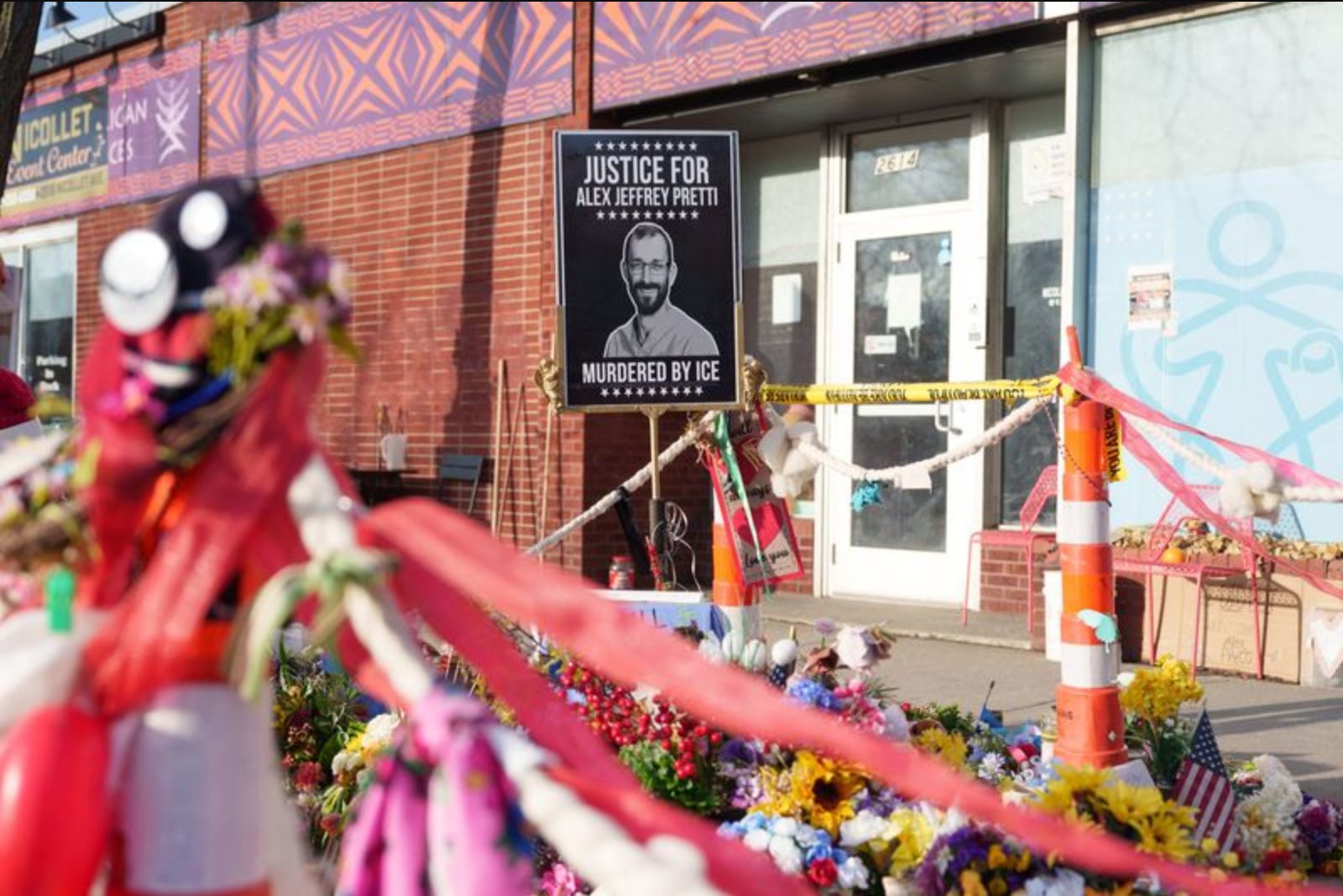
Minneapolis has largely returned to a familiar street-level quiet following several months of intense immigration enforcement, but city leaders and community members say the surface calm masks deep and continuing harm. The enforcement push, which began in December and ran through February under an operation known as Operation Metro Surge, deployed about 3,000 federal immigration agents across the broader area, according to government statements. ICE said those sweeps led to roughly 4,000 arrests.
Local officials and residents describe a slower, more subdued pace of visible federal activity today. Red whistles that many residents wore to signal the presence of immigration officers remain common, yet actual encounters with agents have become rare inside the city. Many parents still patrol school perimeters and neighborhood volunteers continue to monitor federal activity, but those networks of observers operate on a greatly reduced scale compared with the height of the raids. Reports indicate that most recent raids targeting undocumented migrants now occur outside Minneapolis itself.
Still, Mayor Jacob Frey and a range of teachers, doctors, legal advocates and immigrant community members say the operation left a lasting imprint - economically, socially and emotionally. Frey has characterized the surge as a "full-throttle attack" that extended beyond the immediate actions of ICE agents. He estimates about 400 federal immigration officers remain in the city, which he says is more than double the usual presence.
Frey listed collateral consequences he attributes to federal enforcement activity. He cited instances of children with cancer whose families have not sought or received needed treatment because they will not leave their homes, disruptions in Medicaid and Medicare transfers, and conditions placed on federal shelter and affordable housing grants that tie funding to cooperation with immigration enforcement. For January alone, Frey estimates economic damage associated with the operation at $203 million and says 76,000 residents were too afraid to go to work or had workplaces that closed. He has urged the federal government to reimburse the city for the damages he says were caused, calling such steps "the right thing." He acknowledged skepticism about the likelihood of that happening, noting he had not been in contact with the administration in recent weeks.
Health care providers report continued care disruptions
At Children’s Minnesota, pediatric oncologist Dr. Lane Miller says clinicians continue to see a catastrophic toll among immigrant families who avoid medical appointments out of fear. He described no-show rates near 50 percent for children with serious conditions such as sickle cell disease and active cancer. "They are still paralyzed with fear," he said. Miller recounted a case in which a 14-year-old leukemia patient missed medication doses after his father, the primary caregiver, was detained about five weeks earlier. When the boy eventually returned for care, blood tests showed he had stopped taking his medicine, and relatives caring for him were unfamiliar with the treatment regimen. Miller warned that even single missed doses late in therapy can increase relapse risk and that a relapse is harder to treat.
Miller summarized the situation for many practitioners as operating "in the dark" with respect to the status and continuity of care for immigrant patients impacted by enforcement.
School districts face enrollment and funding shocks
Fridley Public Schools, a district enrolling roughly 2,800 students with an estimated 80 percent from immigrant or minority families, reports sharp losses in students and revenue. Superintendent Brenda Lewis said nearly 100 students have vanished from her rolls since the enforcement surge, with some families relocating to districts seen as safer, some deported, and others unaccounted for. Because Minnesota allocates school funding based on enrollment, each absent student translates into about $10,000 in lost annual funding. Lewis said her district now confronts an approximate $1 million budget hole and has lost roughly $130,000 in nutrition funding since December.
Lewis has joined legal efforts seeking to restore protections that made schools safe havens from immigration enforcement and has become a resource for other superintendents nationally who are seeking guidance about the effects of enforcement on schools. "None of this is something that we trained for as educators - and it feels like there is no end date to these new challenges we face," she said.
Community response: grassroots aid and persistent fear
In the Phillips neighborhood, which contains a high concentration of immigrant residents, visible signs of the crisis have yielded to a quieter but still urgent need for assistance. Substitute teacher Alexandria Gomez launched a rent-relief fundraising campaign in January that has raised more than $730,000 to date. Gomez delivers cash herself to families who distrust institutional aid or other intermediaries. She described cases in which individuals prepared to return to work only to spot immigration officers and retreat again into hiding.
Gomez expressed concern about the possibility of further operations in spring or summer. She pointed to recent deliveries of SUVs with darkened windows - vehicles that are commonly associated with immigration raids - to the staging building used by agents. Observers noted the delivery of about half a dozen vehicles on a Wednesday during the recovery period. Gomez said the experience of the surge created widespread civic engagement and readiness to resist future enforcement actions, while also acknowledging community burnout.
Unclear enforcement trajectory and disputed accountability
It remains unclear how many arrests have occurred in the month following a public announcement by border official Tom Homan that the operation was being scaled back. The surge itself was linked to moments of intense confrontation, including incidents in which two U.S. citizens, Renee Good and Alex Pretti, were fatally shot during enforcement activities.
Requests for comment to the Department of Homeland Security received no response. A White House spokeswoman, when asked about the status of immigration enforcement in Minneapolis, cited a new level of "cooperation that did not exist before" between local officials and the federal government but declined to provide further details.
Mayor Frey said residents and businesses suffered directly from the enforcement activity, with families torn apart and economic operations disrupted. He reiterated his view that federal authorities should address the costs the city says it incurred as a result of the operation.
Economic and social impacts remain concentrated in specific sectors
Officials and community members described the consequences of enforcement as spanning health care, education, housing and basic household economics. Parents staying home to avoid detection contribute to labor shortages and reduced consumer spending; missed appointments and interrupted medication regimens threaten long-term health outcomes; school funding declines strain district budgets and services; and shelter and affordable housing programs have faced uncertainty tied to federal grant conditions. City estimates cited by officials put the January economic hit at $203 million, with 76,000 residents affected by fear or closures of their workplaces. Mayor Frey is calling on the federal government to cover the damages, but he tempered expectations about receiving reimbursement.
What lies ahead
For now, Minneapolis streets have settled back into a quieter pattern and many parents, volunteers and community leaders continue to watch for signs of renewed federal activity. Meanwhile, hospitals, schools and landlords manage the lingering fallout: missed appointments and interrupted care, empty classrooms and reduced funding, and a wave of rent-relief needs met in part through private fundraising. Community leaders say they remain wary of another enforcement spike while pressing for federal accountability and support to address the economic and social damage left in the operation’s wake.
As recovery efforts continue, local advocates and public officials stress that the immediate visible reduction in agent encounters does not equate to the end of harm for those who lost work, health care continuity, housing stability or school placements during the period of intense enforcement. The full scale of long-term effects may not be known for some time, officials say, and the city faces pressing questions about how to rebuild trust, restore services and secure resources for residents still struggling to return to normal routines.