
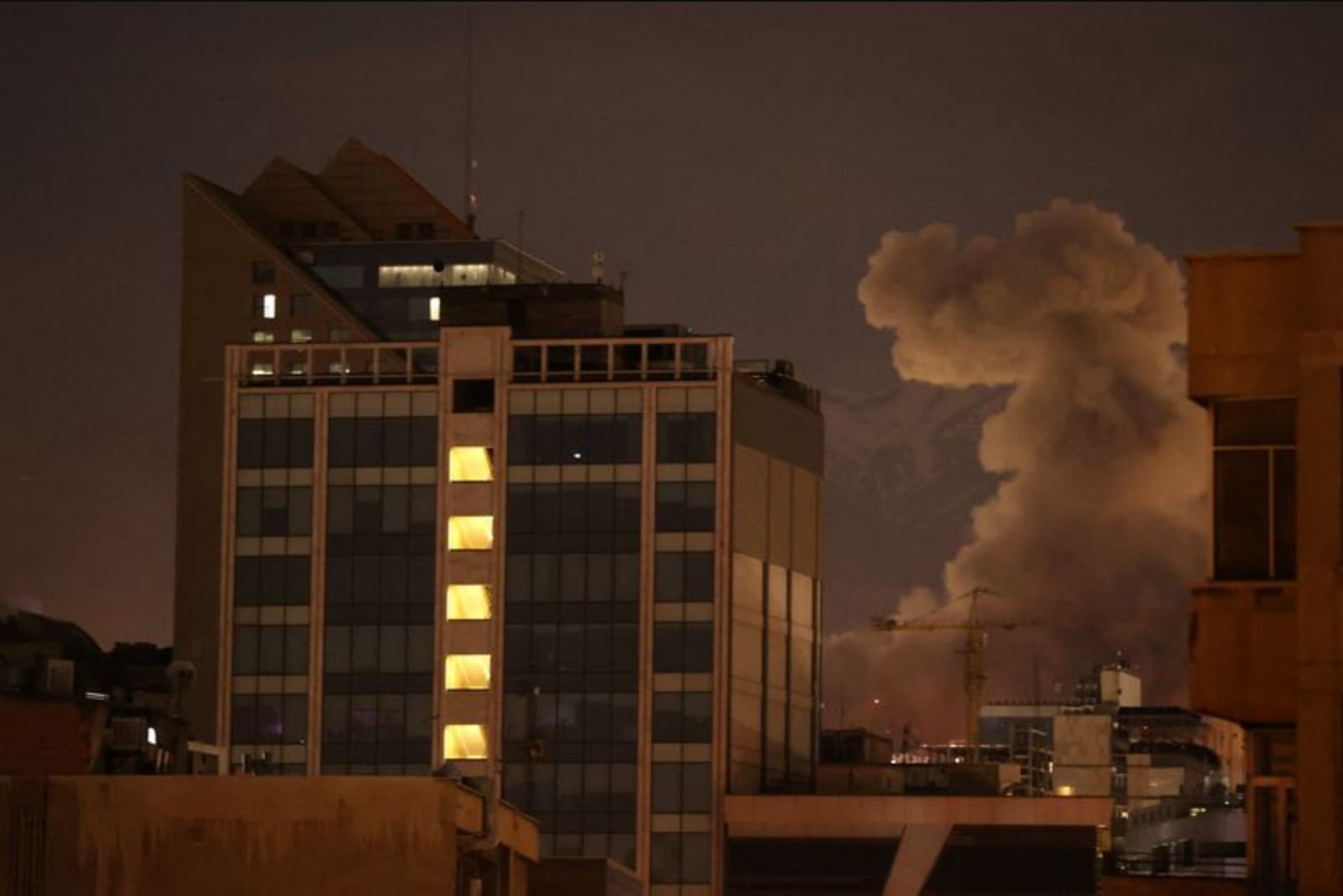
U.S. lawmakers across the political spectrum said on Sunday that the United States has not articulated a clear "day-after" strategy for Iran following joint U.S.-Israeli air strikes that killed much of the country’s leadership, including Supreme Leader Ayatollah Ali Khamenei. The strikes, which U.S. President Donald Trump has framed as a catalyst for change in Iran’s government, have left Tehran in an uncertain transitional period.
President Trump has publicly linked the U.S. approach to the expectation that the Iranian people will seize the opportunity to determine their own future after what he and others have described as decades of repression. Republicans generally voiced optimism that the strikes could lead to change, while Democrats expressed skepticism about whether the operation will produce a more favorable outcome for the region or for U.S. security.
Lawmakers oppose U.S. ground deployment
During appearances on Sunday morning television programs, lawmakers from both parties uniformly rejected the idea of deploying U.S. ground forces to Iran. "There’s no simple answer for what’s going to come next," Senator Tom Cotton, the Republican chairman of the Senate Intelligence Committee from Arkansas, said on CBS News’ "Face the Nation."
Senator Lindsey Graham, a Republican from South Carolina and a staunch Trump ally, reiterated the president’s call for Iranians to choose their own leaders. "You know, this idea, ’You break it, you own it,’ I don’t buy that one bit," Graham said on NBC’s "Meet the Press". "This is not Iraq. This is not Germany. This is not Japan. We’re going to free the people up from a terrorist regime."
Khamenei’s death set in motion a succession process outlined by Iran’s political system, in which a three-person council will run the country until a separate clerical body selects a new supreme leader. Asked whether the United States had identified a leader of the Iranian opposition who could unite the country, Cotton replied, "The opposition is 90 million Iranians who have suffered under the brutal Islamic Republic Revolutionary regime for the last 47 years."
Democrats question prospect of regime change through strikes
Senator Chris Coons of Delaware, a Democrat, said he could not see how the current operation alone could produce regime change in Iran. "There’s no example I know of in modern history where regime change has happened solely through air strikes," Coons told CNN’s "State of the Union."
Before the strikes, U.S. intelligence assessments reportedly estimated that hardline figures from the Islamic Revolutionary Guard Corps could step into leadership roles if Khamenei were killed. President Trump said on Sunday that 48 leading figures in Iran’s government have been killed so far.
Senator Chris Murphy, a Democrat from Connecticut, cited earlier intelligence assessments to argue that the outcome could be an even harder-line Iranian leadership. "So, we are not going to get a democracy. We are going to get an even worse Iranian leadership," Murphy said on CBS. "It’s no secret that this administration has no plan for the chaos that is unfolding right now in the Middle East."
Human costs and legal concerns
The unfolding operations have already produced U.S. military casualties. The U.S. military said on Sunday that three service members have been killed and another five were seriously wounded, marking the first U.S. casualties tied to the operations against Iran.
Several Democratic lawmakers argued that the attack was illegal absent congressional authorization, noting that under the U.S. Constitution only Congress can declare war. Senator Mark Warner, the Democratic vice chairman of the Senate Intelligence Committee from Virginia, who was among eight lawmakers briefed last week before the strikes, said the administration did not provide evidence of an imminent threat and characterized the action as a "war of choice." "I saw no intelligence that Iran was on the verge of launching any kind of pre-emptive strike against the United States," Warner said on CNN’s "State of the Union."
Representative Ro Khanna, a California Democrat leading an effort in the House to block further military action without congressional approval, raised concerns about the potential for the United States to become mired in a lengthy conflict. "Khamenei was a brutal dictator, but Americans are not safer today," Khanna said. "The question is, ’is the country going to descend in civil war? Are billions of our dollars going to be spent there? Are American troops going to be at risk?’"
Economic and market impacts
Lawmakers and analysts have pointed to immediate economic disruptions stemming from the strikes and subsequent Iranian retaliation. Shipping, air travel and oil sectors have been affected, and observers warned of higher energy costs and business disruption in the Strait of Hormuz, a critical global trade chokepoint for oil and cargo traffic.
Senator Tim Scott, a Republican from South Carolina, said he hoped U.S. involvement could be concluded quickly. "It all depends on... whoever the new leader is in Iran," Scott told Fox’s "Sunday Morning Futures." "We’re going to finish this, and if we don’t, we’ll be doing this in five years, in 10 years." Other lawmakers said they wanted to avoid a prolonged, costly conflict reminiscent of the Iraq War, which lasted for years and cost thousands of U.S. lives.
Outlook and remaining uncertainty
With Iran under interim governance by a three-person council and a clerical body set to choose a new supreme leader, U.S. lawmakers emphasized uncertainty about what will follow. Republicans expressed confidence that the strikes could free Iranians from an oppressive regime and allow them to choose their own future. Democrats countered that the strikes may cement hardline control in Tehran, increase regional instability and draw the United States into a protracted conflict.
Across party lines there was agreement on avoiding U.S. ground combat, but sharp disagreement on whether the administration provided adequate intelligence justification for the strikes and whether the United States has an actionable plan to manage the aftermath. Lawmakers also highlighted the immediate economic sectors at risk, including shipping lines operating through the Strait of Hormuz, commercial aviation routes over the region, and global oil markets that could see elevated costs amid continued tension.
For now, the governance question in Iran and the scope of U.S. involvement remain unsettled, and lawmakers said they would continue to press for clarity from the administration as events unfold.