
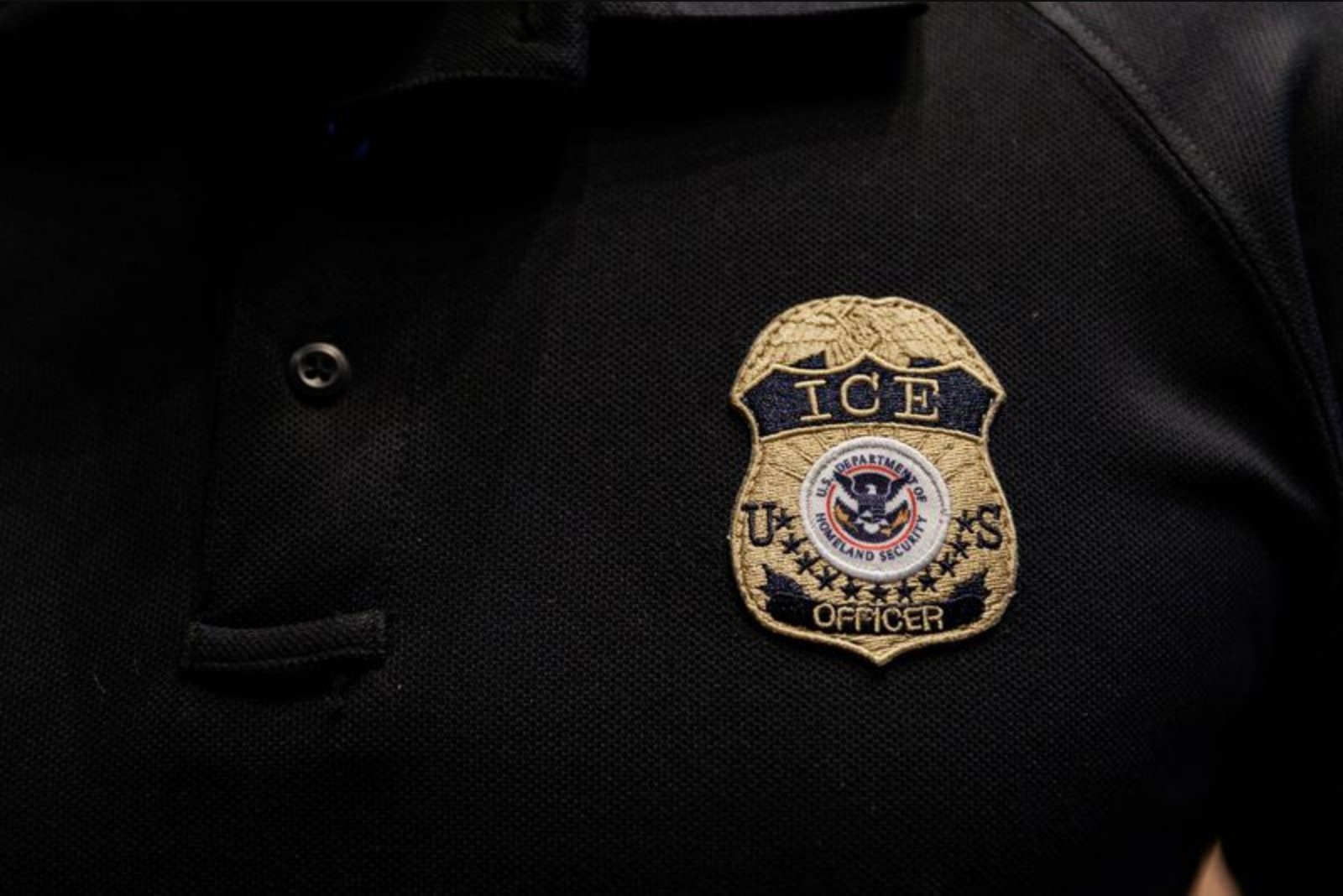
BOSTON, May 28 - The U.S. Department of Justice filed suit on Thursday against four Democratic-led states - Maine, Massachusetts, Oregon and Washington - challenging their decisions to deny confidential license plates and vehicle registrations to U.S. Immigration and Customs Enforcement (ICE).
The department says the states have traditionally provided such plates to law enforcement agencies conducting undercover operations and that the decision to exclude ICE represents unlawful discrimination against the federal government. The litigation follows state refusals to rescind policies that block ICE from obtaining the confidential plates it says are necessary for agents to carry out arrests as part of the current federal immigration enforcement efforts.
Federal claim and legal posture
According to the Justice Department, the states' policies treat ICE and other U.S. Department of Homeland Security components differently than state and local law enforcement, in violation of the U.S. Constitution. The department argues this differential treatment is unlawful and threatens the safety of federal immigration officers, exposing them to harassment, tracking and assaults while they perform arrests.
"Law enforcement officers risk their lives every day to keep Americans safe and must be able to carry out their duties effectively," Acting U.S. Attorney General Todd Blanche said in a statement.
The lawsuits follow warnings that Assistant U.S. Attorney General Brett Shumate issued in a series of letters earlier this month, in which he notified state officials that litigation would follow if the policies were not reversed.
State rationales and responses
Officials in at least two of the states named in the suits - Maine and Massachusetts - previously pointed to concerns about aggressive tactics by ICE agents when explaining why they would not use state resources to facilitate covert civil immigration enforcement. Those states have sought to limit state cooperation in ways they say are designed to protect residents and state personnel from potential confrontations.
Spokespeople for the governors of Maine, Oregon and Washington did not immediately respond to requests for comment. A spokesperson for Massachusetts Governor Maura Healey provided a letter the administration sent to the Justice Department last week defending the state's policy.
In that letter, Massachusetts officials described the Registry of Motor Vehicles' policy as lawful and said it applies not only to federal agencies but to state and local law enforcement as well. The policy, the state said, allows confidential plates only for criminal investigations, not broader civil immigration enforcement.
Key factual assertions in the Massachusetts lawsuit
The Justice Department's complaint against Massachusetts states that, as recently as 2025, all federal agencies including ICE and U.S. Customs and Border Protection were able to obtain confidential vehicle registrations and license plates in the state. The lawsuit says that policy changed this year when Healey's administration declared it would not enable ICE's tactics.
Context and implications
The litigation formalizes a federal-state conflict over how vehicle registration resources should be allocated and which agencies may use them in undercover operations. The department frames the issue primarily as one of legal discrimination and officer safety; state officials emphasize policy and safety concerns tied to ICE methods. The suits require courts to evaluate whether the states' denials unlawfully single out federal immigration agencies in contravention of constitutional requirements.
At this stage, the suits proceed on the factual record as stated in the filings and in letters exchanged between federal and state officials. The outcome will depend on judicial interpretation of the constitutionality of the states' policies and the extent to which those policies are applied to other law enforcement entities.
What remains unclear from filings
The public filings and state letters detail the positions of both sides, but do not specify operational adjustments ICE may make if the courts uphold the states' policies or how long legal proceedings might take. They also do not quantify any direct fiscal impacts on the states or the federal government beyond the initiation of litigation.