
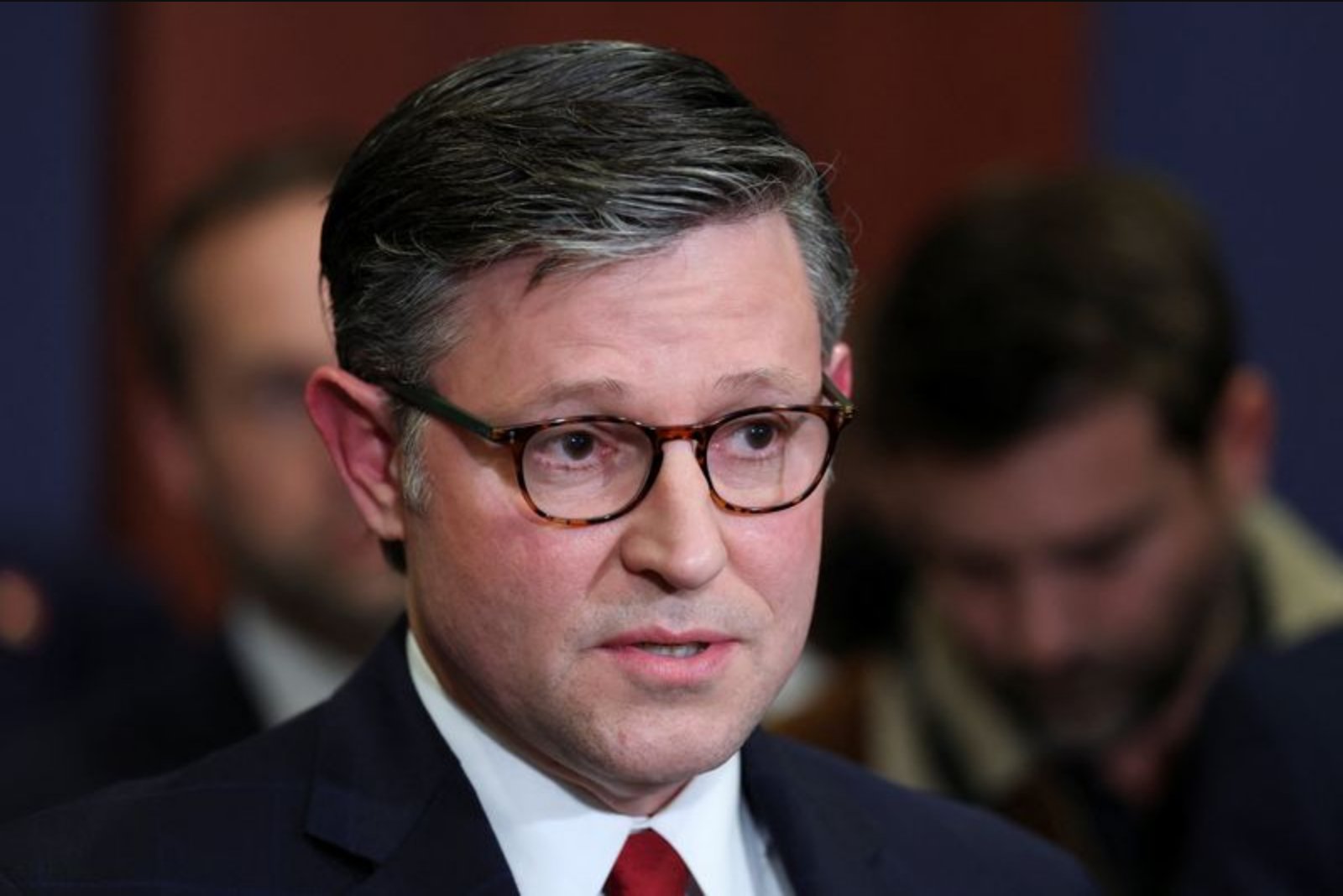
House Speaker Mike Johnson said on Wednesday he was unconcerned that the economic fallout from the U.S.-Israeli war with Iran would undercut Republican campaigning around affordability in the run-up to the November midterm elections.
Johnson told Reuters that Republicans have maintained a consistent stance on economic matters and intend to keep that focus through November. He framed world events as forces beyond the control of lawmakers that must be handled as they occur.
On the question of how the White House is managing the potential economic consequences of the conflict, Johnson said he believed the president understood the risks and would "do the right thing," adding: "I don’t think we could have waited on what’s happening in Iran."
Republican lawmakers had been urging President Donald Trump for months to concentrate more on domestic policy rather than foreign engagements, a push driven in part by public opinion data showing waning confidence in his economic stewardship. Political strategists have warned that the new war with Iran - which enjoys only tepid public support - represents a politically risky move for the president.
With the midterm elections about eight months away and voters most concerned about healthcare and the cost of living, Republicans are highlighting policy achievements they say benefit American families. They point to last year’s elimination of taxes on tip income and on overtime pay as direct economic gains, and are advancing legislation intended to make housing more affordable.
The widening Middle East conflict has already pushed oil and natural gas prices upward, produced volatility in global markets and prompted worries about broader economic effects. "Every day is another day closer to the election," said Republican Senator Thom Tillis of North Carolina, a Trump critic who is retiring from the Senate. "We’ve got to start looking at it that way. Otherwise, you’re going to have de-risking decisions and other things that could impact prices, availability, supply chains and energy."
Some officials within the White House are concerned that the war with Iran could damage Republican prospects for retaining control of Congress, with House Republicans seen as particularly vulnerable.
Five days into the conflict, Johnson and his Republican colleagues have publicly backed the president’s response, which they regard as an effective and appropriate reaction to the global threats posed by the Iran regime. "Any time that you’re in a military action like this one, you always recognize that there are costs involved with it," said Republican Senator Mike Rounds. "We know the markets are going to respond anytime they think there’s a risk to international shipping, but we don’t know how else you fix the international shipping threat unless you address the root cause of it, which in this case is Iran."
Public reaction to U.S. strikes on Iran has been tepid. A Reuters/Ipsos poll found that only one in four Americans approves of the strikes, while roughly half of respondents - including about one in four Republicans - say the president is too willing to use military force.
The conflict has also tested unity within the president’s MAGA movement, with several prominent voices in that base criticizing the action and warning it could harm Republican chances in November.
As the campaign season moves forward, Republican leaders stress their economic messaging and legislative priorities even as market indicators and energy prices respond to developments in the Middle East. How voters weigh those domestic priorities against concerns about foreign policy and geopolitical risk will be a central question for both parties as they head into the midterms.