
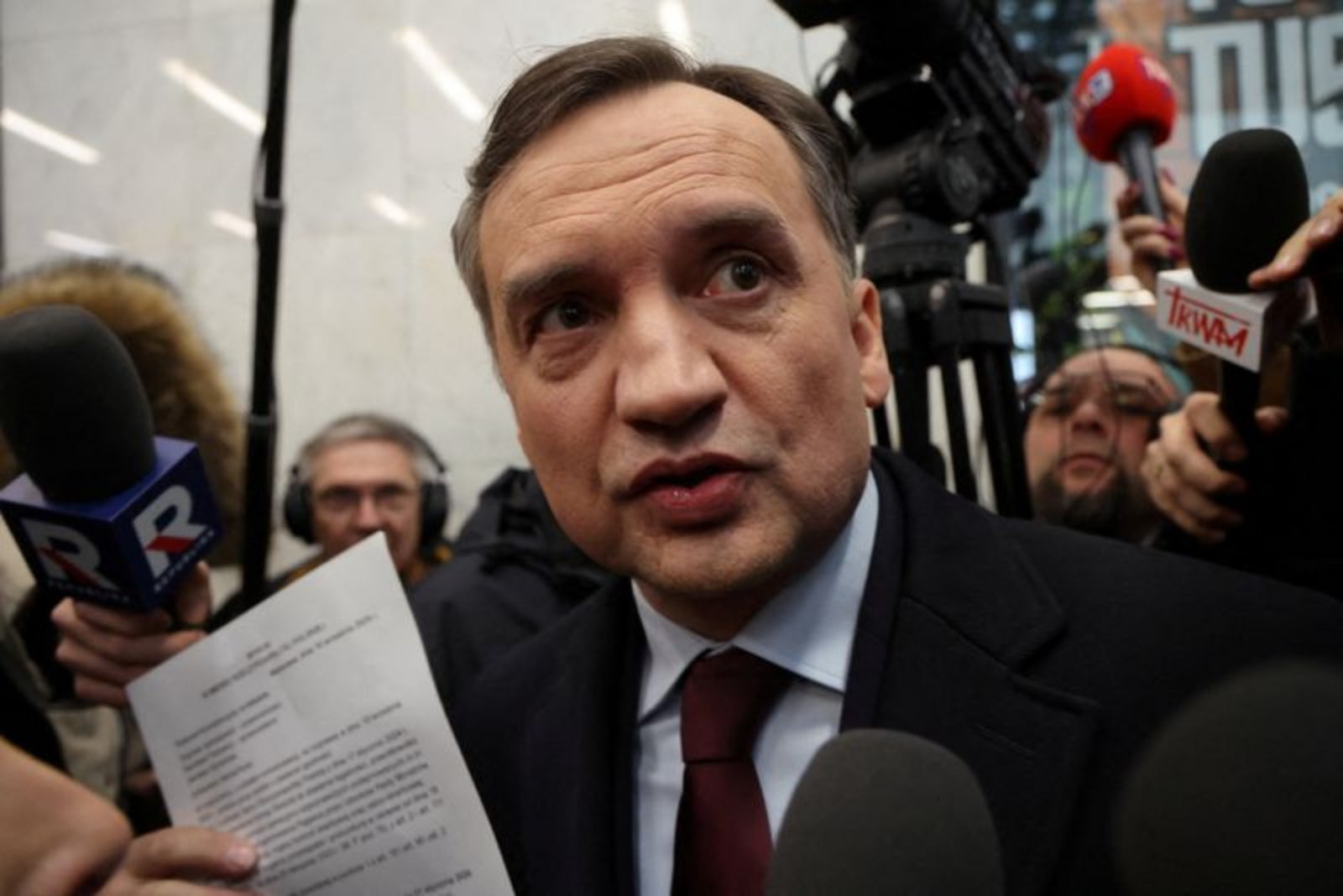
Two senior Democrats in the U.S. House of Representatives have pressed Secretary of State Marco Rubio for a detailed explanation about whether a top State Department official helped secure a U.S. visa that allowed a wanted former Polish Cabinet minister to travel to the United States from Hungary, evading a potential extradition to Poland.
Representatives Gregory Meeks and James Raskin, respectively the senior Democrats on the House Foreign Relations and Judiciary Committees, set out their concerns in a letter to Rubio that asserts, if accurate, the actions would amount to "a massive abuse of power and disregard for the legal immigration processes of the United States."
Allegations and the request for clarity
The lawmakers' correspondence points to a news report that, according to the letter, described how Deputy Secretary of State Christopher Landau directed senior State Department officials to facilitate and accelerate processing of a U.S. visa for Zbigniew Ziobro, the former Polish Justice Minister.
Ziobro is wanted in Poland on 26 criminal charges, most of which relate to allegations that he misused funds from a crime victims compensation program. He has denied wrongdoing and characterized the accusations as part of a politically motivated campaign by Poland's ruling pro-European Union coalition. The letter notes that Ziobro faces as much as 25 years in prison if convicted on the charges specified by Polish prosecutors.
The letter also characterizes the visa decision as raising serious diplomatic concerns, saying the granting of the visa represents "an unprecedented level of interference in the domestic politics and judicial systems of two longstanding U.S. treaty allies." The lawmakers explicitly identified Poland and Hungary in that context, noting both countries are members of NATO.
Sequence of events described in the letter
According to the account cited in the lawmakers' letter, Ziobro fled Poland in January and went to Hungary, where he was granted asylum by then-Prime Minister Viktor Orban. Polish authorities had been pursuing his return and had prepared an extradition request to the United States as part of ongoing legal proceedings.
The letter recounts that Warsaw had hoped a change in Hungary's government - following an April election in which a pro-European Union candidate prevailed over Orban's faction - would clear the way for Ziobro's return. The new Hungarian leader had reportedly indicated he would extradite Ziobro on his first day in office.
Despite that expectation, the letter says, Landau instructed senior officials in the State Department's Bureau of Consular Affairs in Washington to tell the U.S. embassy in Budapest to issue a visa for Ziobro. The letter cites sources who described the visa as a journalist visa. It says Ziobro obtained the visa before the Hungarian leader's May 9 swearing-in and, according to Polish prosecutors, traveled to Italy and subsequently to the United States on a refugee document after his Polish passport had been invalidated.
Requests to the secretary and procedural demands
Meeks and Raskin asked Rubio to respond in writing to a series of questions and to provide an in-person briefing to their committees by no later than June 21. Specific queries in the letter seek to determine whether U.S. President Donald Trump or any of his aides were involved in approving Ziobro's visa and to identify the grounds on which the visa was granted.
The lawmakers also demanded production of documents and communications related to the case, including exchanges involving Deputy Secretary Landau, the Bureau of Consular Affairs, the U.S. embassies in Warsaw and Budapest, and any material tied to the involvement of Tom Rose, the U.S. ambassador to Poland.
In their letter, the members of Congress warned that issuing the visa risked "inviting a significant diplomatic crisis" with Poland and urged the administration to comply with any extradition request that Warsaw may submit.
Official responses
The letter notes that neither the State Department nor the White House had immediately responded to requests for comment on the matter.
By seeking written answers, documents and an in-person briefing, the two committee Democrats have moved to place the issue squarely before congressional oversight even as legal and diplomatic channels involving Poland and Hungary remain active.
Key points
- House Democrats Meeks and Raskin have asked Secretary of State Marco Rubio to explain whether Deputy Secretary Christopher Landau facilitated a U.S. visa for former Polish Justice Minister Zbigniew Ziobro.
- Ziobro is wanted in Poland on 26 charges related chiefly to alleged misuse of crime victims compensation funds and faces up to 25 years in prison if convicted; he denies wrongdoing and says the charges are politically motivated.
- The lawmakers warned the visa could spark a diplomatic crisis between NATO allies Poland and Hungary and demanded documents and a briefing by June 21; they also sought confirmation of whether the U.S. president or his aides played a role in the visa decision.
Risks and uncertainties
- Diplomatic friction - The situation could heighten tensions between the U.S. and Poland, with potential implications for political and diplomatic coordination among NATO allies.
- Legal and extradition outcomes - It is uncertain whether Poland's extradition request will be filed and, if filed, how U.S. immigration and legal processes will interact with diplomatic considerations.
- Oversight and institutional scrutiny - Congressional inquiries and demands for documents and briefings introduce procedural uncertainty regarding State Department decision-making and internal communications.
Sectors to watch
- Defense and international relations - Any diplomatic strain among NATO members could factor into defense cooperation discussions.
- Government services and legal services - Heightened oversight and potential extradition proceedings may increase demand for legal and advisory services related to international law and immigration.