
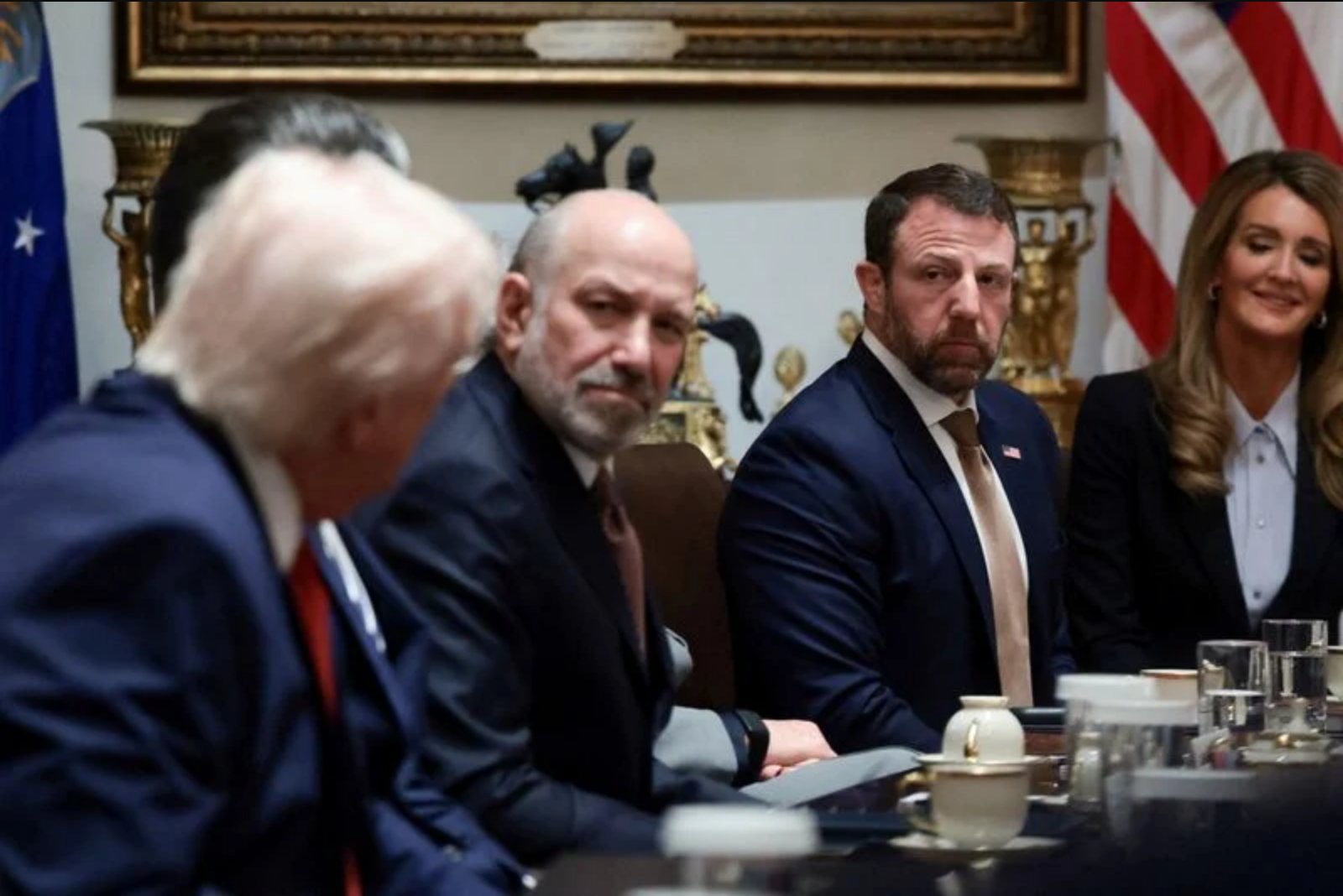
U.S. Homeland Security Secretary Markwayne Mullin is scheduled to testify before a Senate panel on Tuesday after a period of heightened tension tied to conditions at an immigration detention center in New Jersey and his public warning to halt international travel into Newark Liberty International Airport.
The hearing marks Mullin's first appearance before a Senate panel since his confirmation. He became secretary in March and pledged to carry forward the Trump administration's immigration enforcement priorities while adopting a less conspicuous public approach.
The current confrontation has unfolded against a backdrop of Republican efforts to secure an additional $72 billion over the next three years to expand a mass deportation program, funding that would be added to a historic $170 billion already included in a spending package passed last year.
Mullin's predecessor, Kristi Noem, had ordered a visible surge of federal agents into U.S. cities and drew scrutiny for federal contracts awarded to Republican operatives. According to the record presented at the time, President Trump removed Noem from the post as support for the administration's immigration measures weakened after federal agents shot and killed two U.S. citizens in Minneapolis.
Although Mullin has stepped away from broad, highly publicized immigration sweeps, the administration's arrest totals remained elevated compared with historical norms as of early March. Two people familiar with internal figures said about 56,000 individuals were being held in U.S. Immigration and Customs Enforcement facilities as of last week. That figure represented a decline from roughly 68,000 detainees in mid-February but remained higher than the approximately 40,000 people in custody when President Trump took office in January 2025.
Legislatively, U.S. Senate Republicans postponed a vote in May on the proposed supplemental immigration enforcement funds. The delay stemmed from opposition to a $1.8 billion allocation intended for victims of government "weaponization" that had been included in the package. Reports indicate President Trump placed plans for that weaponization fund on hold.
Tensions at Delaney Hall and the Newark airport threat
In recent weeks, protesters gathered outside the Delaney Hall Detention Facility in Newark, where detainees raised concerns about conditions inside the facility. In response to the demonstrations, Secretary Mullin said he would cut off international travel and cargo processing at Newark unless local law enforcement secured the area around the detention center.
Over the weekend, New Jersey State Police restricted access to a section near Delaney Hall where demonstrators had been assembling. On Monday, Mullin indicated he did not currently need to stop international flight processing at Newark, citing cooperation from state and local law enforcement working near the detention facility.
The airport warning echoed previous comments from the secretary intended to pressure so-called "sanctuary" jurisdictions to broaden cooperation with federal immigration enforcement.
Industry pushback and event timing
Major airline, travel and business organizations have cautioned that barring border processing at Newark or other principal U.S. airports could produce severe disruptions. Those groups warned such measures might strand thousands of international visitors and U.S. travelers, and interfere with critical cargo movements.
The stakes are heightened by the imminent start of the World Cup on June 11, an event expected to draw large international crowds to venues across the United States. Eight World Cup matches, including the final, are scheduled at MetLife Stadium, which lies a short drive from Newark Liberty International Airport. The timing of the tournament amplified concerns about the potential consequences of any interruption to international passenger and cargo processing at Newark.
What comes next
The Senate hearing will provide the first full public opportunity since his confirmation for Secretary Mullin to address lawmakers' questions about the detention facility protests, his airport ultimatum, the administration's enforcement approach and the broader budgetary push by Republicans for further immigration enforcement resources.
In the meantime, state and local law enforcement actions around Delaney Hall, as well as ongoing dialogue between federal and local officials, will likely determine whether the airport threat remains a potential contingency or recedes as a short-term flashpoint.