
Politics February 16, 2026

Federal Judge Orders Reinstallation of Philadelphia Slavery Exhibit Pending Litigation

Court temporarily blocks National Park Service removal of President’s House display after city sues Department of the Interior

By Sofia Navarro
Federal Judge Orders Reinstallation of Philadelphia Slavery Exhibit Pending Litigation

A federal judge in Pennsylvania has ordered the National Park Service to restore a slavery exhibit at the President’s House Site in Philadelphia while litigation continues after the city sued the federal government over its removal. The exhibit had been taken down last month following criticisms from the president about perceived 'anti-American ideology' at cultural institutions, a characterization rejected by civil rights groups.

Key Points

  • A federal judge in the Eastern District of Pennsylvania ordered the National Park Service to restore a slavery exhibit at the President’s House Site while litigation proceeds - sectors affected include federal cultural institutions and legal services.
  • Philadelphia sued the Department of the Interior and top officials after the exhibit was removed last month following the president’s criticism; the city sought a court order to return the display - this raises administrative and policy uncertainty for federal historic sites.
  • The exhibit documented the history of slavery and George Washington’s ownership of enslaved people at the President’s House Site in Independence National Historical Park - the case spotlights interpretive content at heritage sites and may affect public trust and visitation patterns.

A federal judge in Pennsylvania on Monday directed the National Park Service to reinstall a slavery exhibit at a historic Philadelphia site while the courts consider ongoing legal challenges brought by the city over its removal.

The display, which had been part of the President’s House Site in Independence National Historical Park, was dismantled and taken down last month following public criticism from President Donald Trump alleging an "anti-American ideology" at certain historical and cultural institutions. Civil rights groups have disputed that characterization.

Philadelphia responded by suing the Department of the Interior and senior officials, contending that the removal violated the law and asking a judge to order the exhibit restored. On Monday a federal judge for the Eastern District of Pennsylvania granted the city's request for temporary relief, blocking the federal government’s changes and instructing the National Park Service to put the exhibit back in place while the litigation proceeds.

"Court is now asked to determine whether the federal government has the power it claims - to dissemble and disassemble historical truths when it has some domain over historical facts," Judge Cynthia Rufe wrote in her opinion. "It does not."

Neither the National Park Service nor the city of Philadelphia provided immediate comment in response to inquiries about the judge’s order.

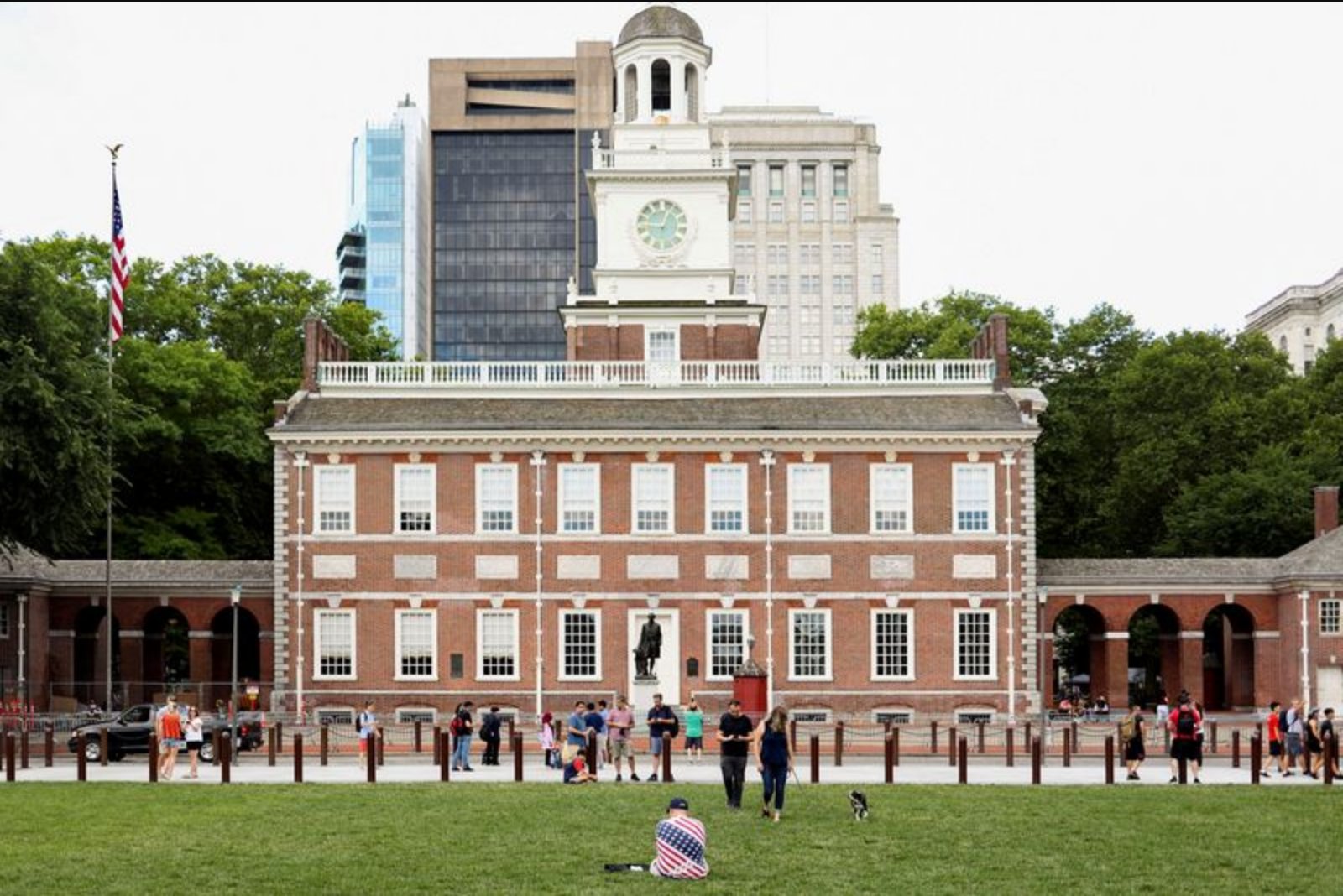
The President’s House Site highlights the period when George Washington lived in Philadelphia while the city served as the nation’s capital, and the exhibit addressed the history of slavery and Washington’s ownership of enslaved people. The judge’s order requires that this interpretive material be returned to public view pending the final outcome of the lawsuit.


The dispute has drawn attention from civil rights groups, which have accused the administration of rolling back social progress by prompting the removal. The court's temporary injunction preserves the exhibit while legal questions about federal authority over historical interpretation are decided.

As the case continues, the exhibit’s status will remain settled by judicial proceedings rather than administrative action, at least for the present.

Risks

  • Outcome of the litigation is uncertain, so the exhibit’s permanent status remains unresolved - legal and cultural sectors tied to federal heritage sites are affected.
  • Federal agencies may face future legal challenges over decisions to alter historical exhibits, creating policy and operational uncertainty for the National Park Service and related institutions - impacts on museum operations and site management budgets are possible.
  • Public and advocacy group reactions to exhibit removals or restorations could influence visitor engagement and local tourism revenues around historic sites - local tourism and municipal stakeholders may experience short-term volatility.

More from Politics

U.S. proposal would suspend asylum work permits until processing times fall, DHS says Feb 20, 2026 Trump Banner Appears at Justice Department Headquarters, Part of Broader Push to Stamp Presidential Identity on Federal Buildings Feb 19, 2026 Florida Legislature Votes to Rename Palm Beach International Airport for President Trump Feb 19, 2026 U.S. Proposal Would Relax Nuclear Safeguards in Draft Saudi Pact, Document Shows Feb 19, 2026 Commission of Fine Arts Gives Unanimous Approval to $400 Million White House Ballroom Plan Feb 19, 2026