
Summary: Kash Patel has said investigators subpoenaed phone "toll records" for him and Susie Wiles during the 2022-2023 period when both were private citizens, according to his account. He alleges those records were placed in files labeled in a way that made them hard to locate on the FBI’s systems. He described the move as an example of overreach by unelected officials; other parts of his account could not be independently verified and a spokesperson for Special Counsel Jack Smith declined to comment.
What Patel says happened
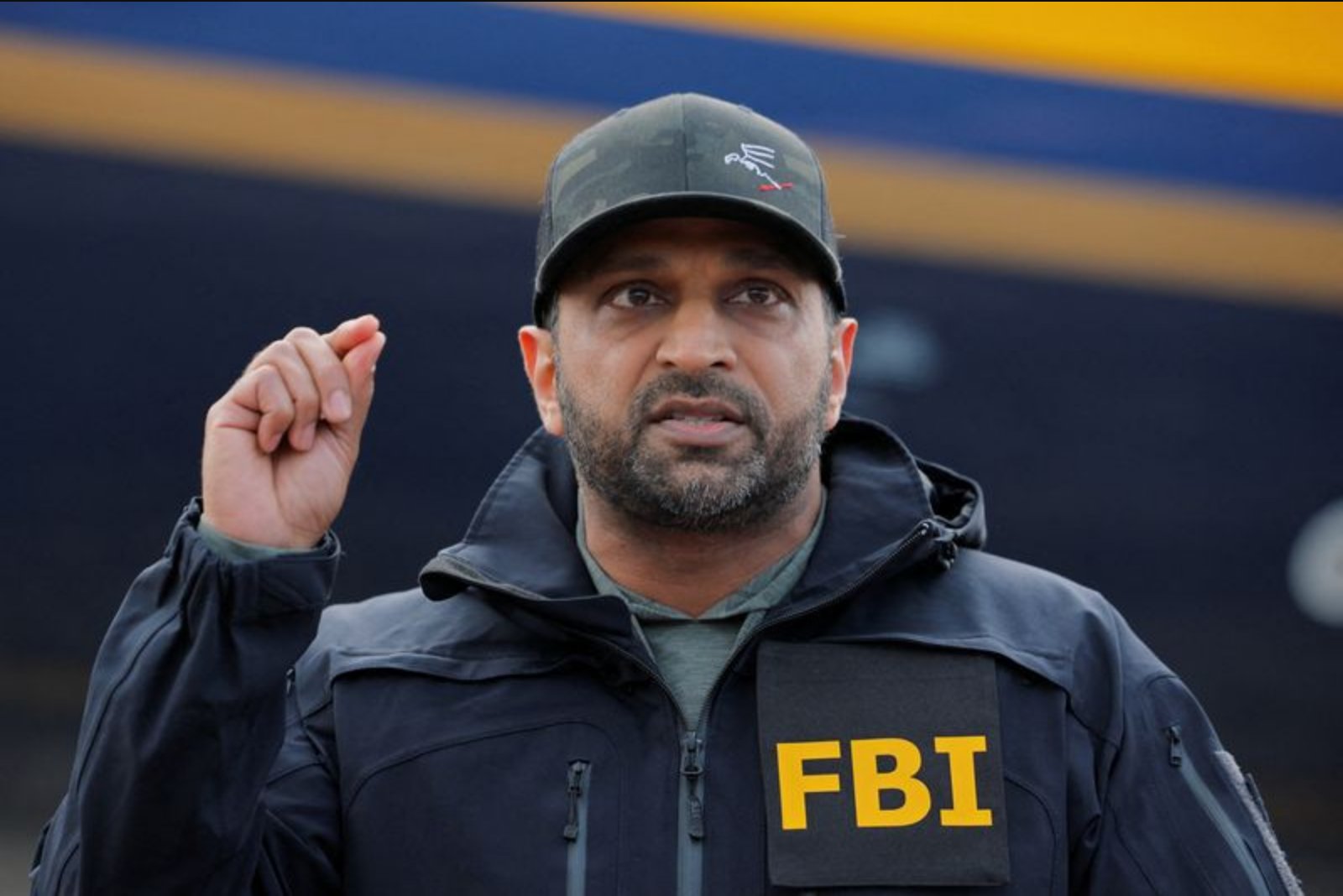
Kash Patel, now the director of the FBI, said on Wednesday that federal investigators issued subpoenas for the phone records of calls made by him and Susie Wiles in 2022 and 2023 while both were private citizens. Patel said those subpoenas sought so-called toll records, which indicate the timing of calls and the numbers involved but do not record the content of conversations.
Patel characterized the seizure and the way the files were handled as evidence of overreach by unelected officials during the administration of President Joe Biden. He said agents used what he described as "flimsy pretexts" to justify the subpoenas and then placed the resulting records in files categorized so they would be difficult to find.
"It is outrageous and deeply alarming that the previous FBI leadership secretly subpoenaed my own phone records - along with those of now White House Chief of Staff Susie Wiles - using flimsy pretexts and burying the entire process in prohibited case files designed to evade all oversight," Patel said in a statement.
Patel said the records were filed in a way that made it hard for him and other bureau leaders to locate them after he assumed control of the FBI in February 2025. He said he recently ended the bureau practice of allowing files to be designated as "Prohibited," a label he said hindered discovery on the bureau’s computer systems.
Context of the subpoenas
Patel said the subpoenas were issued during the period when Special Counsel Jack Smith was leading an inquiry into whether former President Donald Trump interfered with the 2020 election and retained classified documents at Mar-a-Lago. Smith was appointed to lead that documents-focused investigation in November 2022, according to Patel’s account.
Patel and Wiles were both close to Trump during this time; Wiles later served as co-campaign manager for Trump’s 2024 White House bid and is now the White House Chief of Staff, while Patel remained a political ally. Both have been known to investigators to have been interviewed in connection with Smith’s examination of events related to Trump’s handling of classified material after his presidency.
Patel said he did not know the investigators’ reasons for seeking his or Wiles’ call records. He also said the subpoenas extended into the period when Wiles served as co-campaign manager, though he did not specify when the collection began or ended.
Verification and responses
Those claims could not be independently verified. It was not possible, based on the available information, to establish precisely which records were obtained, who approved the subpoenas or whether Patel or Wiles themselves were the targets of an investigation, and if so, why.
A spokesperson for Special Counsel Jack Smith declined to comment on Patel’s allegations. Officials including President Biden, former Attorney General Merrick Garland and former FBI Director Chris Wray, who led the bureau while Smith’s inquiries were underway, did not immediately respond to requests for comment. Garland had appointed Smith as special counsel.
Patel’s account says investigators found the toll records in files labeled "Prohibited," and that he has since removed the bureau’s ability to mark files using that designation.
Legal and procedural notes cited by Patel
Patel noted that the government can lawfully obtain phone records via subpoena without a judge’s prior approval. He also emphasized that toll records reveal only call timing and numbers, not the content of conversations.
Democrats in Congress, as Patel noted, have previously defended Smith against Republican criticism, arguing that his office sought call records and other materials they viewed as necessary to investigate alleged wrongdoing thoroughly. Investigators commonly subpoena and acquire telephone records during probes to determine timelines and identify potential participants in incidents.
Related legal actions and testimony
Patel’s account comes amid a broader legal backdrop in which Smith’s office has pursued multiple lines of inquiry. In the documents investigation, Smith brought felony charges related to classified material against Trump in 2023; that case was later dismissed by a federal judge and Smith declined to pursue an appeal after Trump’s election to a second term, according to the timeline Patel described.
A federal judge recently issued an order permanently barring the Justice Department from releasing Smith’s report on the documents investigation. Smith has told congressional committees that he is constrained by court orders from discussing any aspects of the probe that are not already disclosed in court filings. Smith previously informed lawmakers that investigators had serious concerns about obstruction of justice in their investigations and, speaking to Congress last month, said his office "followed Justice Department policies, observed legal requirements and took actions based on the facts and the law."
Past controversy over investigative techniques
Patel’s allegations echo earlier GOP criticisms of Smith’s methods, which included seizing phone records of U.S. senators and other Republican officials during the inquiry into alleged efforts to overturn the 2020 presidential election. Smith has defended those actions in testimony, saying records from members of Congress helped verify the timeline of events around January 6 and that prosecutors complied with legal standards when obtaining such records. He told a House panel that records from lawmakers did not include the content of conversations.
What remains unclear
Key elements of Patel’s account remain without independent corroboration: the exact scope and timing of the record seizures; the identities of officials who authorized subpoenas; whether the subpoenas were tied to a formal investigation of Patel or Wiles; and the specific reasons investigators sought the toll records. Patel’s statements assert procedural irregularities in how the records were stored within bureau systems, but the available information does not independently confirm those administrative details.
Implications for oversight and record handling
Patel framed his allegations in part as a concern about internal FBI practices and oversight. He said his office removed the "Prohibited" file designation to make records more discoverable for bureau leadership. Beyond Patel’s claims, the public record included statements by congressional Democrats defending Smith’s investigative judgments and testimony from Smith asserting compliance with department policies.
Note: This article reflects allegations and descriptions provided by Patel and reports on responses or the lack thereof from named parties. Several assertions in Patel’s account could not be independently verified from available information.