
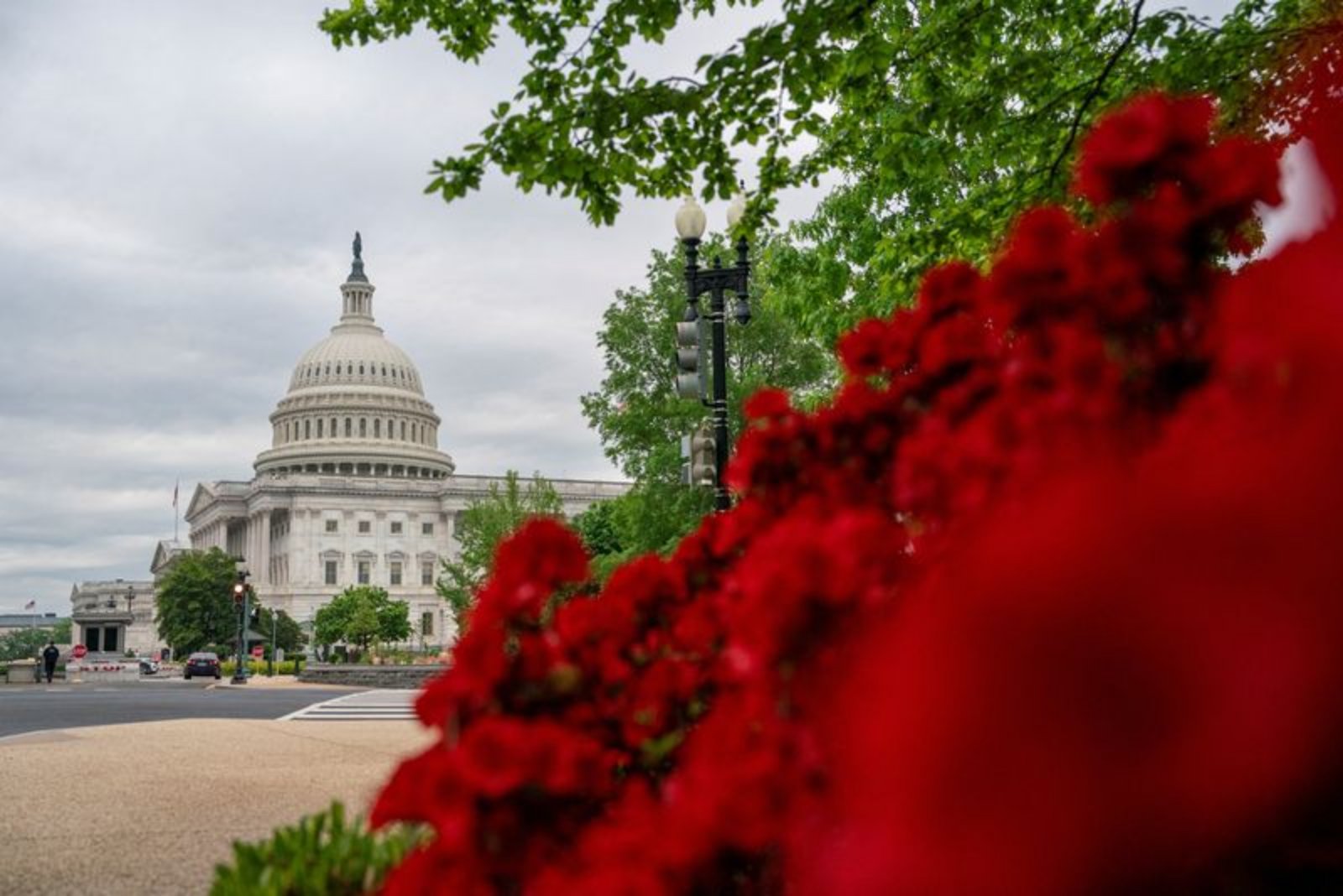
WASHINGTON, March 4 - Democrats enter the 2026 Senate midterm season needing a net gain of four seats to flip control of the chamber. Republicans currently command a 53-47 majority and are defending just two seats that nonpartisan analysts view as competitive. Democrats, by contrast, are defending four such seats. This year 35 of the Senate's 100 seats are on the ballot.
The competitive map is concentrated in several states where primaries, retirements and candidate controversies create uncertainty. Below is a state-by-state look at eight races singled out as particularly consequential.
Texas
Texas is traditionally a Republican bastion, but a fractious GOP primary has left one seat potentially vulnerable. Incumbent Senator John Cornyn, a standard-bearer for the party establishment, has been pushed into a May 26 runoff against populist Texas Attorney General Ken Paxton. President Donald Trump has not offered an endorsement in the contest.
Paxton retains a devoted base on the party's right despite a string of personal and professional scandals, building his appeal through aggressive rhetoric against Texas immigration groups and claims of illegal voting. He has won statewide office three times, most recently in 2022. Analysts warn that a Paxton nomination could make the general election more competitive for Republicans.
The Democratic nominee will be state Representative James Talarico, a Presbyterian seminarian who prevailed in the March 3 primary over Representative Jasmine Crockett. Crockett had drawn national attention for vocally condemning former President Trump; Talarico is positioning himself to court moderate voters in the fall.
North Carolina
North Carolina offers Democrats a chance to capture an open Senate seat after Republican Senator Thom Tillis announced he would not seek reelection following public disagreements with President Trump over immigration, Federal Reserve policy and fiscal issues. Former Democratic Governor Roy Cooper has emerged as the party's nominee.
The Republican candidate is Michael Whatley, a past chairman of the party's political arm who previously led the Republican National Committee. He has Mr. Trump's endorsement. Analysts identify the North Carolina contest as one of the year's most competitive.
Alaska
Alaska has historically leaned Republican, and incumbent Senator Dan Sullivan, who has held the seat since 2015, is generally regarded as the favorite in a state that President Trump carried by 14 points in the 2024 election. Still, former Democratic Representative Mary Peltola is mounting a challenge that could make the race competitive.
Peltola, a moderate who became the first Alaska Native elected to Congress in 2022, narrowly lost her seat in 2024. Alaska voters have shown a willingness to support more centrist candidates in recent cycles, exemplified by Republican Senator Lisa Murkowski. Peltola's statewide win in 2022 gives her demonstrated appeal beyond her party base.
Maine
Five-term Republican Senator Susan Collins has cultivated a reputation as an independent-minded moderate since first winning election in 1996. Collins has repeatedly resisted Democratic efforts to unseat her, including in 2020 when she secured 51% of the vote while the state rejected President Trump.
This cycle Collins is likely to face either the state's current Democratic governor, Janet Mills, or progressive challenger Graham Platner, depending on the outcome of a June 9 Democratic primary. Mills, 77, would be older than Collins, 72, and if elected would be the oldest person to begin a first term in the Senate. Supporters noted Mills' defense of transgender rights in her disputes with President Trump.
Platner, an oysterman and Marine Corps veteran, runs on a populist platform but has faced scrutiny over past online comments and a tattoo that resembled a Nazi symbol; those controversies underscore his limited political experience.
Georgia
Among the four competitive races Democrats must defend, two are in states governed by Republicans, highlighting the uphill nature of the party's task. In Georgia, Democratic Senator Jon Ossoff is seeking reelection after winning the seat in an early 2021 runoff. At age 38, Ossoff is the Senate's youngest member and has prioritized issues such as opposing cuts to the Atlanta-based Centers for Disease Control and Prevention.
The Republican field remains contested ahead of the May 19 primary with no endorsement from President Trump. U.S. Representatives Mike Collins and Buddy Carter both remain in the race, alongside Derek Dooley, an attorney and former college football coach who is the governor's preferred candidate.
New Hampshire
Democrats must defend an open seat in New Hampshire after three-term Senator Jeanne Shaheen announced her retirement. The Granite State's electorate is well acquainted with its contenders: both Republican candidates in the September 8 primary have prior Senate experience. John E. Sununu represented New Hampshire for one term before losing in 2008, and Scott Brown served in the Senate between 2010 and 2013 representing neighboring Massachusetts. President Trump has endorsed Sununu.
The leading Democratic candidate is Representative Chris Pappas, a four-term centrist. If elected, Pappas would become the first openly gay man to serve in the U.S. Senate.
Ohio
Once a perennial battleground, Ohio's political trajectory has shifted rightward over the past decade. Former Senator Sherrod Brown, a long-serving Democrat, was defeated in 2024 but is mounting another campaign. He is running in a cycle without a presidential race on the ballot, hoping that dynamic will improve his prospects compared with 2024.
Brown faces incumbent Republican Senator Jon Husted, who previously served as secretary of state and lieutenant governor before being appointed to the Senate to fill the vacancy created when Vice President JD Vance left the chamber.
Michigan
With Senator Gary Peters retiring, Michigan presents an open contest that both parties view as winnable in this midwestern battleground. Democrats have a crowded primary field spanning the party's ideological range ahead of the August 4 primary.
Four-term Representative Haley Stevens is courting endorsements from party leadership, while state Senator Mallory McMorrow and progressive activist Abdul El-Sayed are positioning themselves as alternatives to the party establishment. On the Republican side, former U.S. Representative Mike Rogers, who served in the Army and worked in the FBI and who ran for Senate in 2024, has received President Trump's endorsement for his second Senate campaign.
These eight states encapsulate the mix of retirements, primaries, ideological divisions and candidate controversies shaping the path to Senate control. With a relatively small number of competitive Republican-held seats and multiple vulnerable Democratic incumbents or open seats, the math facing Democrats is steep: they must pick up four seats to win a majority.
Investors and policy watchers will be tracking outcomes in these races closely given their implications for federal policy direction, though the contours of those implications are shaped by the specific legislative priorities that would come before a future Senate.