
Politics February 19, 2026

Commission of Fine Arts Gives Unanimous Approval to $400 Million White House Ballroom Plan

Project advances toward planning commission review amid ongoing federal court scrutiny

By Derek Hwang
Commission of Fine Arts Gives Unanimous Approval to $400 Million White House Ballroom Plan

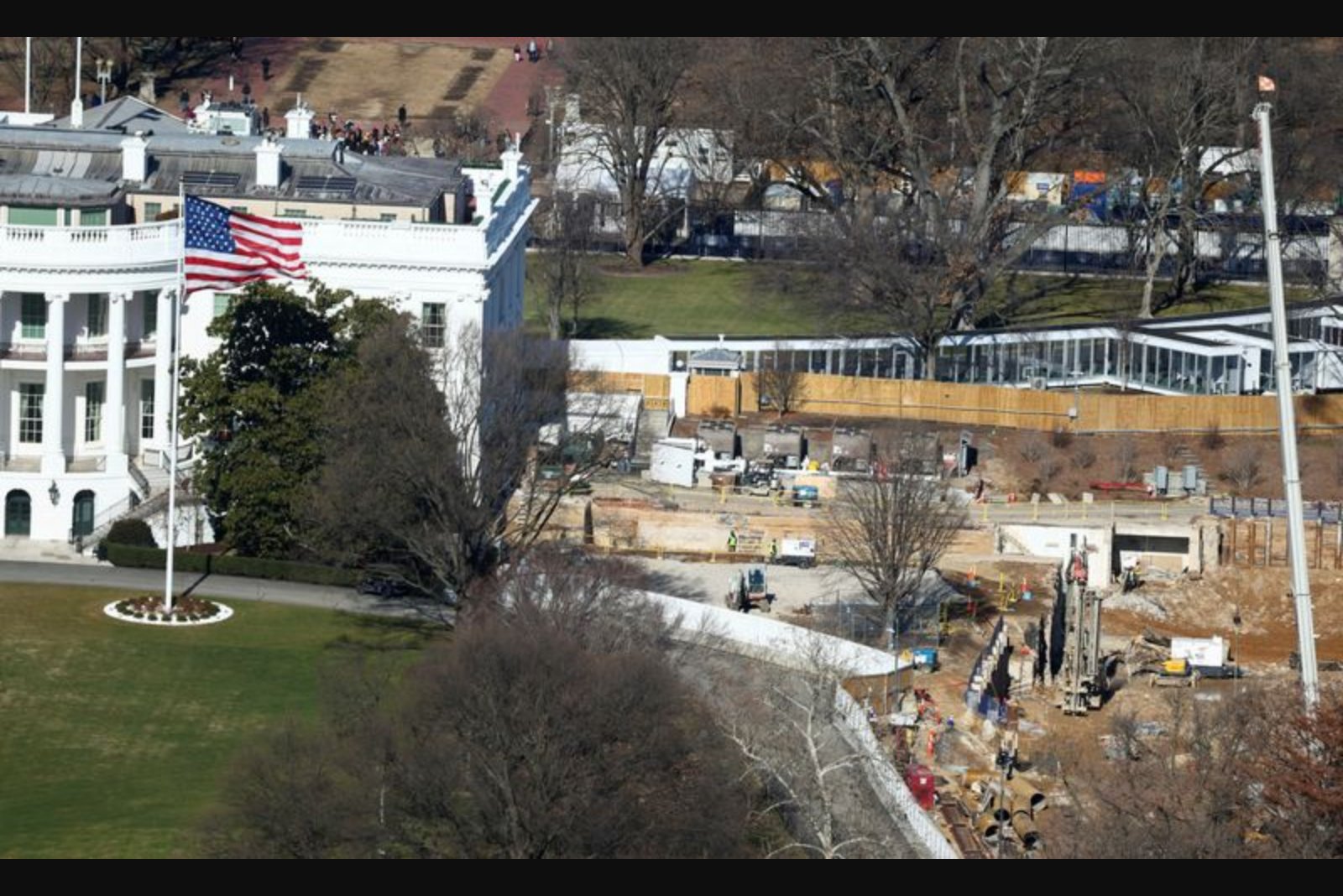
President Donald Trump announced that the U.S. Commission of Fine Arts unanimously approved a proposed $400 million addition to the White House East Wing, a 90,000-square-foot ballroom project that now awaits review by the National Capital Planning Commission and faces legal challenges in federal court.

Key Points

  • The U.S. Commission of Fine Arts voted unanimously in favor of the White House ballroom proposal - sectors affected include architecture, construction, and federal project planning.
  • The National Capital Planning Commission will review preliminary and final site and building plans for the 90,000-square-foot East Wing addition on March 5 - affecting governmental planning and construction scheduling.
  • Federal court scrutiny continues after a judge expressed skepticism about the administration's authority to move forward following the prior demolition without Congress' approval - legal and regulatory sectors remain central to the project's fate.

Feb 19 - President Donald Trump said on Thursday that the U.S. Commission of Fine Arts has approved his administration's proposed $400 million White House ballroom, taking the project a step closer to further federal review.

Trump made the announcement on Truth Social, saying the Fine Arts Commission voted "unanimously, 6 to 0, with one recusal because he had a conflict in that he worked professionally on the job, the White House Ballroom." He added that "Great accolades were paid to the building’s beauty and scale."

The Fine Arts Commission is one of two federal bodies charged with oversight of major projects in the Washington, D.C. area. The other is the National Capital Planning Commission, which is chaired by Will Scharf, who previously served as the president's personal lawyer.

The planning commission stated it will consider the proposed 90,000-square-foot (8,000-square-meter) addition to the East Wing on March 5, at which time it will review the submission "for approval of preliminary and final site and building plans." That meeting represents the next formal step in the federal review process for the addition.

At the same time, the project is under scrutiny in the federal courts. A judge last month voiced doubts about whether the administration has the authority to proceed with construction after an earlier building was demolished without explicit congressional approval. Those legal questions remain unresolved and add uncertainty to the project's timeline and ultimate outcome.

The Fine Arts Commission vote follows a replacement of its membership last year by the president, when all six commissioners were changed. The unanimous approval, aside from one recusal, does not remove the requirement for subsequent approvals or resolve the legal challenges the project currently faces.


Context and next steps

The commission's endorsement clears a procedural hurdle but does not finalize the project. The planning commission review on March 5 and the ongoing federal court actions are the two remaining, publicly disclosed processes that will shape whether the ballroom can proceed to construction.

Risks

  • Legal uncertainty - federal courts are examining whether the administration has the authority to proceed after a prior demolition occurred without congressional approval, introducing potential delays or bar to construction. This primarily impacts legal services, government project management, and construction contractors.
  • Regulatory review - the project still requires National Capital Planning Commission approval of preliminary and final plans, meaning design and scheduling could change or be halted; this affects architects, builders, and suppliers.
  • Political and procedural shifts - the Fine Arts Commission's membership was entirely replaced last year, and while it issued a favorable vote, future administrative or policy changes could alter the approvals landscape; this risk touches public-sector project governance and related supply chains.

More from Politics

U.S. proposal would suspend asylum work permits until processing times fall, DHS says Feb 20, 2026 Trump Banner Appears at Justice Department Headquarters, Part of Broader Push to Stamp Presidential Identity on Federal Buildings Feb 19, 2026 Florida Legislature Votes to Rename Palm Beach International Airport for President Trump Feb 19, 2026 U.S. Proposal Would Relax Nuclear Safeguards in Draft Saudi Pact, Document Shows Feb 19, 2026 Americans Say Epstein Files Underscore Elite Impunity, Poll Shows Feb 19, 2026