
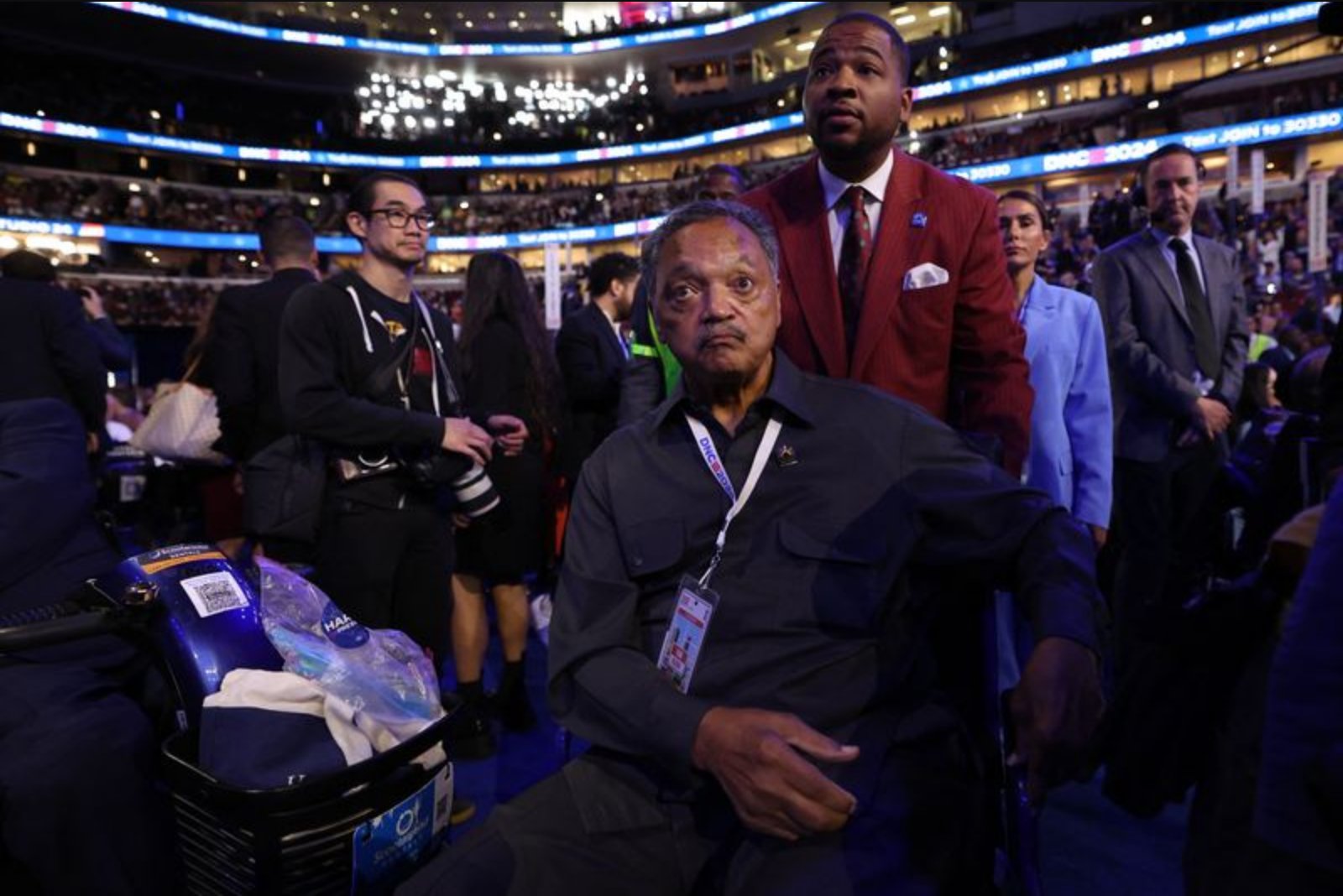
CHICAGO, Feb 26 - A sequence of memorial observances in Chicago will begin this week to commemorate the life and work of Rev. Jesse Jackson, the civil rights leader who died last week at the age of 84. The events, which are expected to bring together elected officials, advocates and community members, are being framed as opportunities to celebrate a lifetime of activism that shaped modern American politics and amplified the concerns of Black communities and communities of color.
Jackson, who founded the Rainbow PUSH Coalition, was long known as a vocal proponent of voting rights and desegregation. He emerged as a prominent organizer within the Southern Christian Leadership Conference as a young activist and was a close associate of the Reverend Martin Luther King Jr. He accompanied King to Memphis in 1968 to support striking African-American sanitation workers shortly before King was assassinated.
The schedule of observances begins Thursday with a public viewing on Chicago's South Side. Organizers plan a musical tribute called "The People's Celebration" next week at the House of Hope, a Baptist church, that will feature gospel choirs. A private homegoing celebration is scheduled for March 7 at the Rainbow PUSH Coalition headquarters. Since Jackson's passing, a growing memorial of flowers, cards and miniature American flags has been assembled outside the coalition's offices.
Clergy members and longtime allies are expected to deliver reflections on Jackson's enduring influence. Those who knew him recall his oratorical style and long-standing ties to Chicago, where much of his work was based. Jackson also mounted national political campaigns, running for the Democratic presidential nomination in 1984 and again in 1988.
In the immediate aftermath of his death, Illinois Governor J.B. Pritzker ordered flags to be flown at half-staff on the day Jackson passed, referring to him in a state address as "a giant who spent his life on the front lines of the Civil Rights movement." The governor's statement acknowledged Jackson's stature in Illinois and beyond.
Born in Greenville, South Carolina, Jackson became one of the most widely recognized Black political leaders of the late 20th century. His activism included advocating for sanctions against apartheid in South Africa, negotiating the release of American hostages overseas, and pushing for corporate accountability and the development of minority-owned businesses within the United States.
Jackson built a political movement focused on economic justice and coalition-building across racial and class lines. His presidential campaigns helped mobilize millions of new voters under the banner of the "Rainbow Coalition," pressing the Democratic Party to address the concerns of working-class Americans, farmers and communities of color.
Health challenges in recent years were publicly acknowledged. Jackson was diagnosed with Parkinson's disease in 2017 and later received a diagnosis of progressive supranuclear palsy in April 2025.
Local leaders have said Chicago will serve as the symbolic heart of the tributes to Jackson. For many attendees, the memorials will mark the close of a chapter in civil rights leadership. Supporters also emphasize that Jackson's hallmark exhortation to "keep hope alive" remains a call to continue the work on equality and justice that defined his life.
Jackson's death comes at a moment of heightened debate over the stewardship of public history and cultural institutions. The administration of President Donald Trump has targeted a range of U.S. institutions - from museums to monuments to national parks - in actions that have included dismantling slavery exhibits and restoring Confederate statues, moves that civil rights advocates say risk reversing decades of social progress.
Civil rights leaders have pledged to continue Jackson's work in his memory. In a public statement, House Minority Leader Hakeem Jeffries said, "The Rev. Jesse L. Jackson Sr. was a legendary voice for the voiceless, powerful civil rights champion and trailblazer extraordinaire. For decades, while laboring in the vineyards of the community, he inspired us to keep hope alive in the struggle for liberty and justice for all."
As Chicago prepares to host a succession of public and private remembrances, organizers and attendees alike are planning to use the gatherings to honor Jackson's record of activism, reflect on the movement he helped lead and consider the path forward for the causes he championed.
Note: The memorial events described include a public viewing on the South Side beginning Thursday, a musical tribute at the House of Hope next week, and a private homegoing on March 7 at Rainbow PUSH Coalition headquarters.