
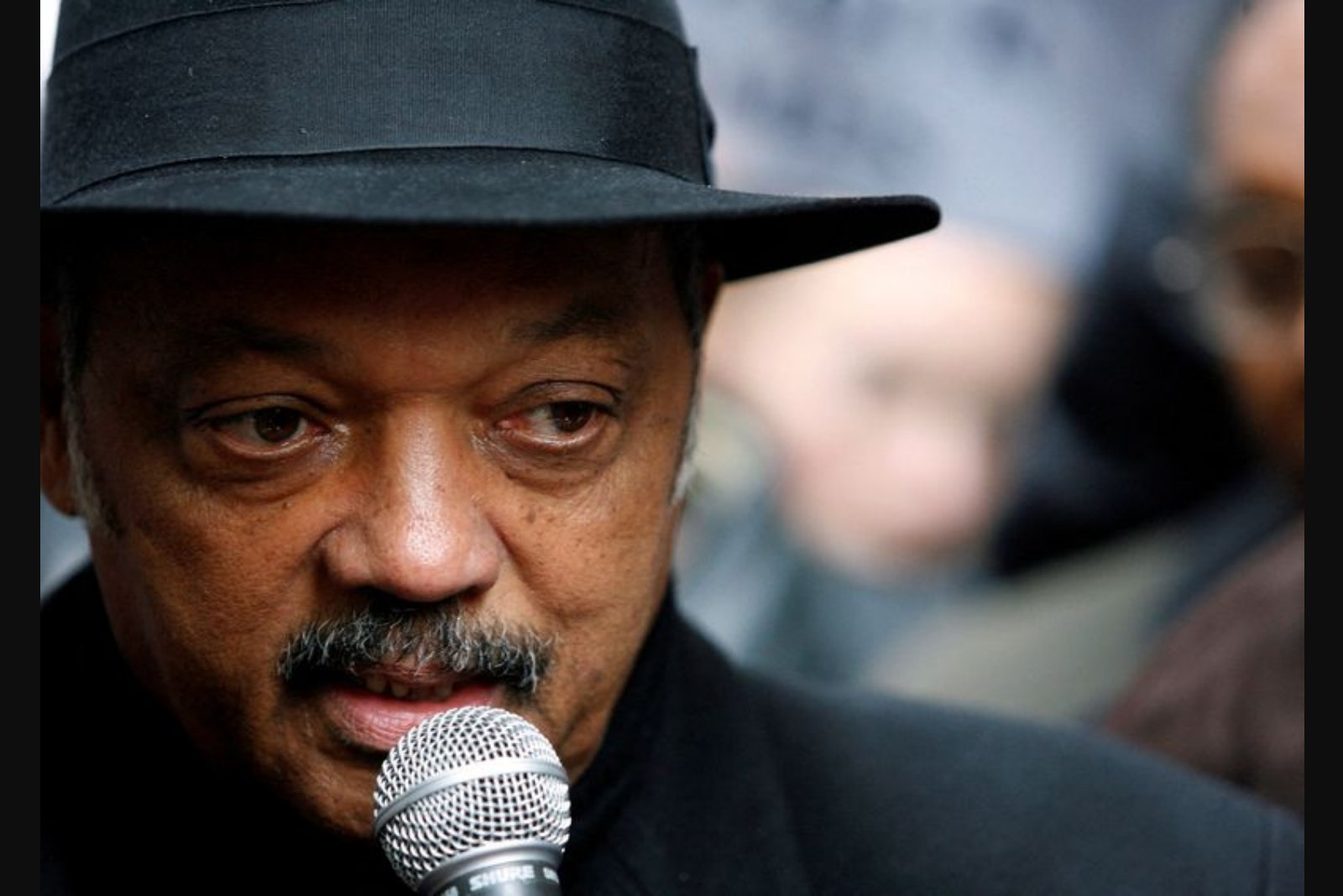
Former U.S. Presidents Joe Biden, Barack Obama and Bill Clinton are expected to join a large public memorial in Chicago to honor the life and work of Jesse Jackson, the civil-rights activist and Democratic leader who died last month at the age of 84.
The memorial service is planned for Friday at the House of Hope, a 10,000-seat venue located on Chicago's South Side, and organizers say it is likely to be the largest ceremony held in Jackson's honor. The event is drawing thousands of mourners, elected officials and community members who have gathered to pay their respects.
President Donald Trump will not attend, a White House official said, citing his schedule and ongoing events. Meanwhile, Chicago Mayor Brandon Johnson, who is scheduled to speak at the service, reflected on Jackson's local and national impact, saying, "Rev. Jackson will be remembered for his oratory prowess, but in Chicago we knew him as a brilliant strategist, master negotiator and organizing savant."
In addition to the three former presidents, organizers indicated that former first ladies Jill Biden and Hillary Clinton, who also served as U.S. secretary of state, are expected to be present. Musical performances are planned, with singers Jennifer Hudson, BeBe Winans and Pastor Marvin Winans set to perform during the service.
The gathering of high-profile Democratic figures has been interpreted by some academics as carrying political meaning beyond the memorial itself. Scholars who have commented on the event say the concentration of Democratic dignitaries can be seen as a response to increased scrutiny and policy changes affecting diversity and civil rights initiatives at the federal level.
"It’s fair to interpret the attention that this event is getting as speaking back to the people who are complaining about diversity," said Jane Dailey, an American history professor at the University of Chicago.
Those academics point to recent moves by the Trump administration that have curtailed diversity programs and policies, targeted museum and educational content on slavery deemed "anti-American," and supported efforts to restore monuments honoring the Confederacy, including memorials to leaders who fought to preserve slavery during the American Civil War. The memorial for Jackson, these observers say, thus carries symbolic weight in broader debates over how history and civil-rights progress are recognized in public institutions.
Memorial events for Jackson began in Chicago last week and have brought together elected officials, advocates and members of the community. His body also lay in state in South Carolina, the state where he was born, as part of the series of tributes.
Jackson, an inspirational speaker and longtime resident of Chicago, rose to national prominence in the decades following the 1968 assassination of Martin Luther King Jr. He devoted more than half a century to efforts to dismantle segregationist systems and to expand political participation for Black Americans and other marginalized groups.
His two presidential campaigns mobilized millions of voters under the banner of the "Rainbow Coalition," a movement that pushed the Democratic Party to more directly address concerns affecting working-class Americans, farmers and communities of color. "He pried open windows for other people in his insistence on opening the political process to more and more people," Dailey added.
Context and significance
The memorial in Chicago is expected not only to celebrate Jackson's personal accomplishments and legacy but also to serve as a focal point for contemporary debates over diversity initiatives, public history and federal policy. The attendance of senior Democratic leaders underscores Jackson's long influence on party politics and civic organizing, while the White House's decision not to have the sitting president attend highlights the divergent tones of national political leadership during a time of intense public discussion about cultural and educational policy.