
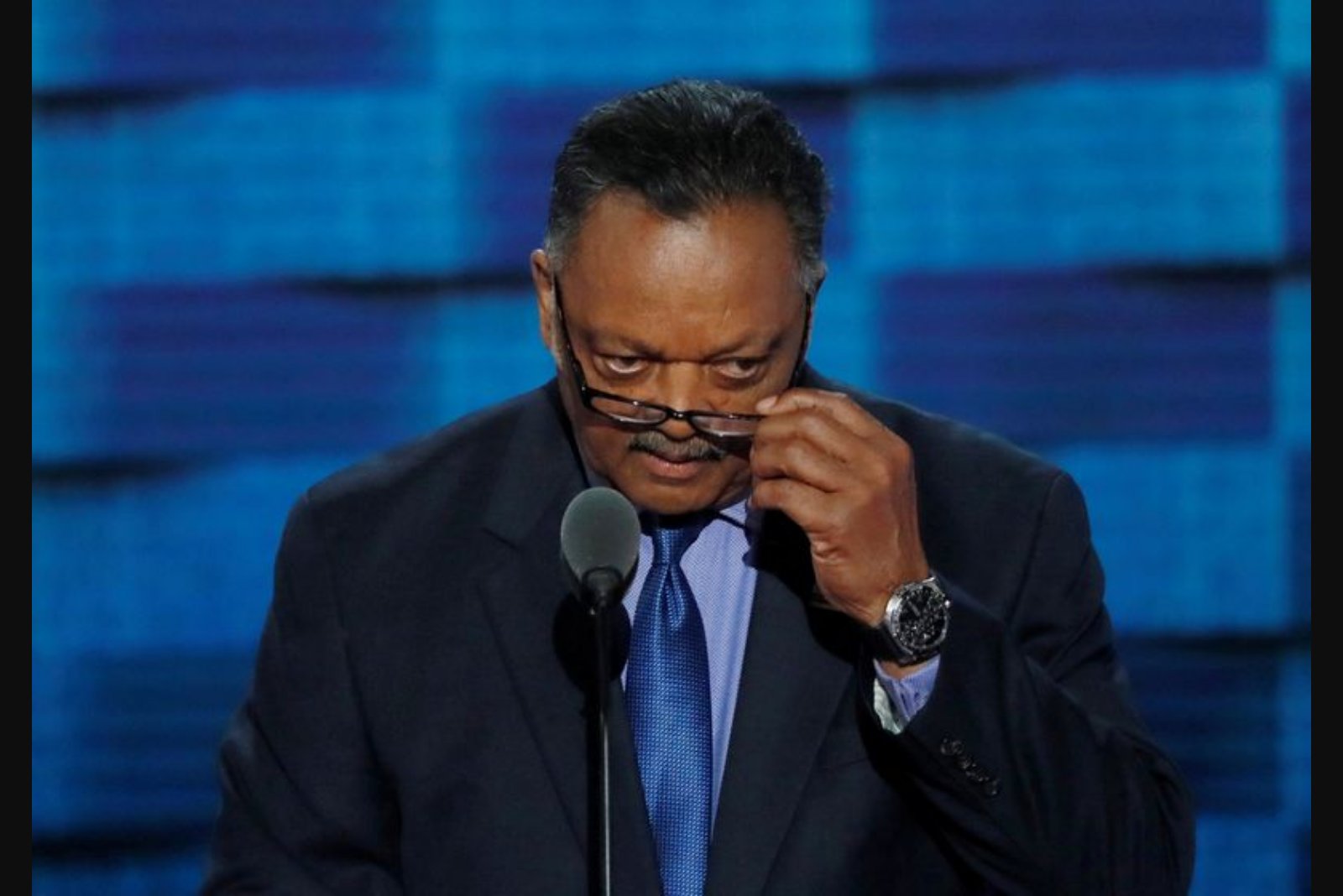
Across a wave of tributes following the death of U.S. civil rights leader Jesse Jackson, advocates vowed to sustain his long-standing fight for racial justice and a more inclusive democracy, even as they cautioned that recent federal actions threaten to reverse hard-won gains.
Jackson, who died on Tuesday at the age of 84, was a fixture of the modern civil rights era. He rose to national prominence in the aftermath of the 1968 assassination of Martin Luther King Jr. and spent more than half a century campaigning to break down segregationist systems and expand political access for Black Americans and other marginalized groups.
Voices from the civil rights community said the present political environment presents real tests for Jackson’s vision. In a dozen interviews, leaders and experts expressed concern that the country’s social fabric - and the consensus around civil rights - could be endangered by a sharply polarized climate and policies that curtail diversity efforts.
National Urban League President and CEO Marc Morial warned that the nation could be at a precarious turning point. He said:
"We’re in a moment where the fabric and the social compact of America, which included rights, could be unraveled and we could be on the brink of a long period of division and hate in America,"
He added:
"The last 60 to 70 years have been about building this multicultural, multiracial democracy in America and we’re in a period of danger."
Leaders pointed to a range of federal measures that they say have put diversity and civil rights programs under strain. The administration has curbed diversity programs and policies, and it has targeted museum and educational material on slavery that officials deem "anti-American." It has also backed efforts to restore monuments honoring the Confederate South, including memorials to leaders who fought to preserve slavery during the American Civil War.
Advocates cautioned that such steps could erase decades of progress. They said countermeasures, legal challenges, and changes to public narratives about history collectively amount to sustained pressure on civil rights institutions and educational content.
President Donald Trump posted condolences and photographs of himself with Jackson on Truth Social hours after the civil rights leader’s death, calling him "a good man, with lots of personality, grit, and ’street smarts’," and describing him as a "force of nature." The White House referred to that Truth Social post when asked to comment on Jackson’s death and did not immediately respond to a request for comment on the rollback of diversity initiatives.
Jackson was known not only for his activism but also for his political organizing. He twice sought the Democratic presidential nomination and was noted for converting movement energy into electoral influence - registering millions of new voters through his National Rainbow Coalition and standing at the forefront of racial justice campaigns.
Advocates said that organizing remains crucial. Civil rights attorney and Democratic political analyst Areva Martin said honoring Jackson’s legacy requires continuing the work of voter registration and coalition-building amid federal rollbacks of diversity, equity and inclusion efforts, aggressive immigration tactics, and legal challenges to landmark voting protections.
Martin said:
"We need to pick up the mantle,"
She added:
"If Jesse Jackson were able-bodied he would have been out across the country organizing voters and building coalitions. He would know that’s the only way to fight to win back Congress and reverse the damage done by this administration."
Grassroots activists have also raised alarms about federal immigration enforcement in Democratic-led cities. They describe raids and other measures as heavy-handed tactics that disproportionately target Black and brown communities and that risk suppressing the voting power of immigrant populations.
In response, major civil rights groups said they will intensify outreach ahead of upcoming elections. NAACP President Derrick Johnson said the organization will double down on voter engagement in memory of Jackson. He noted ongoing voting rights lawsuits that target alleged voter disenfranchisement and restrictions on voter registration outreach.
Johnson said:
"Jesse Jackson is American history,"
And he added:
"His legacy demonstrates how one can use their voice and a platform to advance interest in causes that are pro-democracy, pro-America and pro-bringing people together."
Groups that energized the 2020 racial justice protests also signaled plans to carry Jackson’s electoral emphasis forward. The Movement for Black Lives said it will continue his focus on mobilizing voters and is building nationwide rapid-response "community care networks." The movement has already used these networks to deliver food and other aid in at least seven locations amid federal immigration enforcement activity.
Dr. Amara Enyia, co-executive director of the Movement for Black Lives, said Jackson embodied a bold, unapologetic approach to coalition-building and engagement with political systems. She said:
"He had the audacity - from his presidential run, being that Black left voice and being unapologetic about the need for us to form coalitions and engage with systems,"
Jackson founded Chicago-based civil rights organizations Operation PUSH and the National Rainbow Coalition, which later became the Rainbow PUSH Coalition. Those groups remain touchstones for activists who gather, organize, and provide community services.
One longtime participant, 70-year-old Chicago resident Ziff Sistrunk, described regular Saturday morning breakfasts at the organization’s headquarters that mix fellowship with civic engagement. He said Jackson modeled both protest and statesmanship, offering a template for new generations seeking change.
Sistrunk said:
"Jackson showed us how to resist, he showed us how to protest and how to be a statesman. All we have to do for the next generation who want to make changes is use his life as an example."
As leaders and networks respond to Jackson’s death, the repeated theme across interviews was a determination to translate mourning into action: to protect voting access, to preserve educational narratives about slavery and the civil rights struggle, and to maintain organizing that can influence elections and policy. Advocates emphasized that sustaining Jackson’s approach of grassroots mobilization and coalition-building will be a central test of whether his vision for a multiracial democracy endures in a politically contentious moment.