
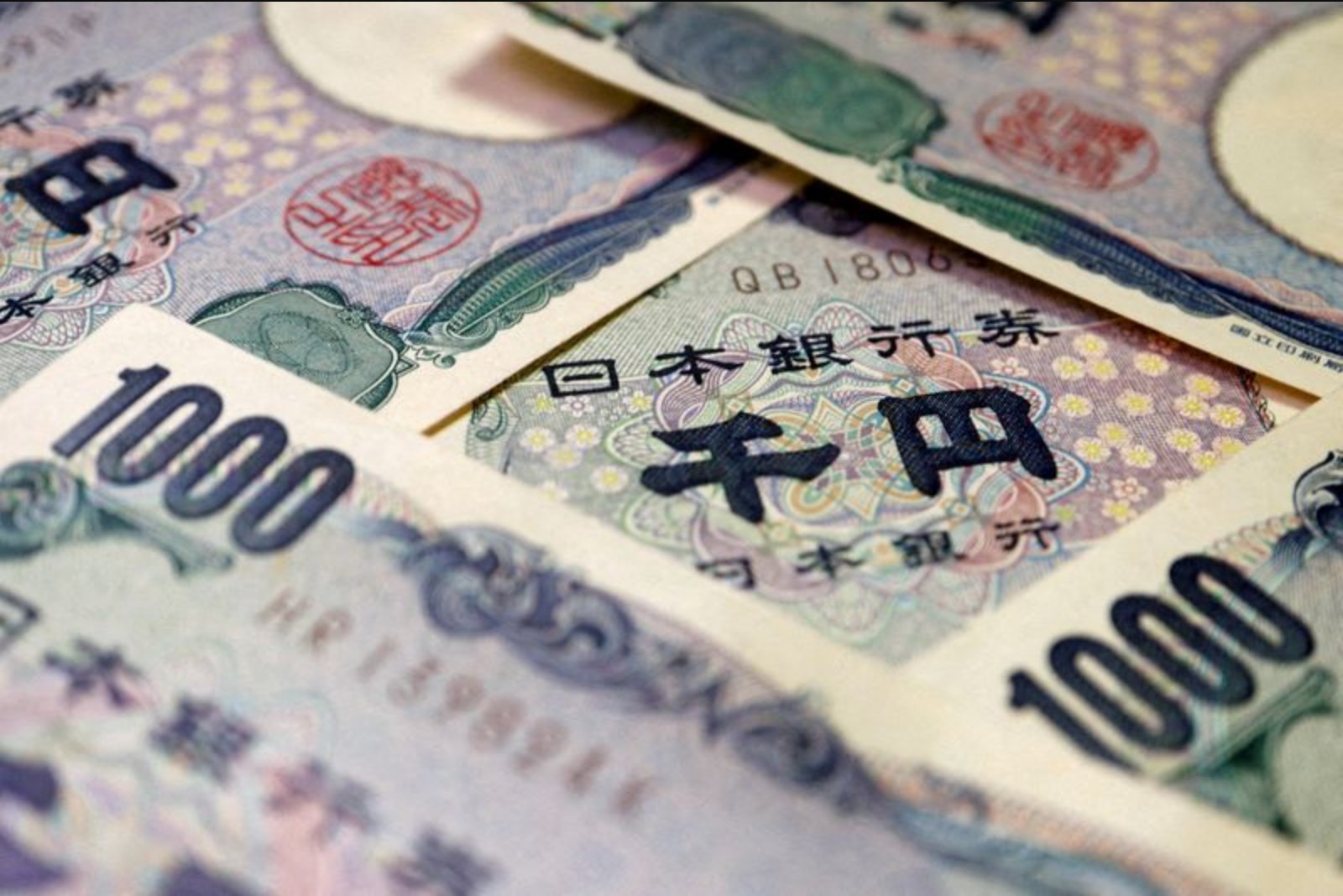
Asian trading opened on Monday with the Japanese yen extending a sequence of losses after Prime Minister Sanae Takaichi secured a commanding victory in Sunday’s lower house election, a result that market participants say makes further fiscal stimulus more likely.
The currency weakened as much as 0.3% to 157.72 yen per dollar, marking its seventh straight day of decline and its weakest level in two weeks.
Takaichi is projected to win as many as 328 of the 465 seats in the lower chamber for her Liberal Democratic Party. In coalition with the Japan Innovation Party, also known as Ishin, her bloc now holds a two-thirds supermajority in the lower house - a margin that permits the government to override the upper chamber, which remains outside its control.
Market strategists noted the election outcome reduced political uncertainty and sharpened focus on the content and communication of fiscal policy. "The Liberal Democratic Party’s landslide victory removes political uncertainty and strengthens policy execution, but shifts market focus squarely to how fiscal policy is designed and communicated," said Shoki Omori, chief desk strategist for rates and FX at Mizuho in Tokyo. He added that risks from fiscal expansion had largely been priced in before the vote and that the central question is whether those risks are reinforced or gradually unwind.
Beyond the yen, overall currency markets began the week relatively steady. The U.S. dollar index, which tracks the greenback against a basket of six currencies, was last reported flat at 97.683. That reading comes as markets prepare for a busy week of U.S. data, including retail sales, inflation figures and a delayed jobs report due on Wednesday.
Traders are also shifting bets on the timing of Federal Reserve policy easing. Fed funds futures implied a 19.9% probability of a 25-basis-point cut at the Federal Reserve’s next two-day meeting on March 18, up from an 18.4% chance on Friday, according to the CME Group’s FedWatch tool.
Other major currencies showed modest moves: the pound was down 0.1% at $1.3598 amid fallout from a political controversy surrounding British Prime Minister Keir Starmer after the resignation of his chief of staff, Morgan McSweeney. McSweeney said he was taking responsibility for advising Starmer to name Peter Mandelson as ambassador to the U.S., despite known links between Mandelson and Jeffrey Epstein.
Against the Chinese yuan in offshore Hong Kong trading, the U.S. dollar was flat at 6.93. The Australian dollar rose 0.2% to $0.7028, the New Zealand dollar was up 0.1% at $0.6026, and the euro was steady at $1.1819.
In cryptocurrencies, bitcoin dipped 0.6% to $70,223.86 while ether eased 0.3% to $2,086.73.
The market reaction on Monday reflected the combination of a clearer political mandate in Tokyo and an array of U.S. data and Fed expectations that could influence global asset prices in the days ahead.