
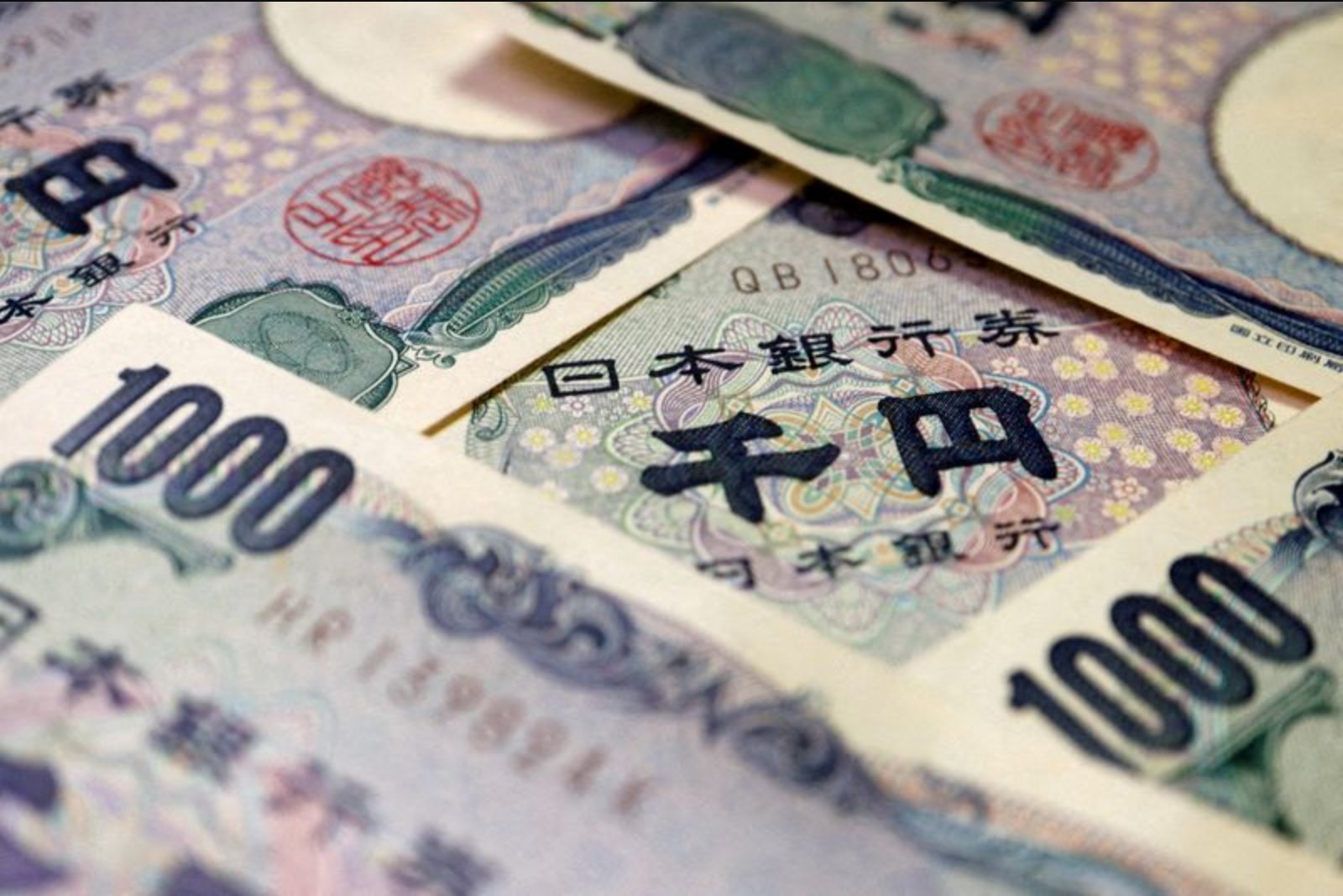
Currency markets opened with notable divergence on Wednesday as reports of potential policy friction in Tokyo weighed on the yen, even as gains in the Chinese yuan and a jump in Australian inflation shifted near-term rate expectations elsewhere.
The Australian dollar led gains in the session, rising 0.3% to $0.7074 after a pickup in inflation raised the prospect of future rate hikes. That move made it the sharpest performer in what was otherwise a relatively steady start to trading.
Major developed market currencies held firm around recent levels: the euro traded near $1.1776 and sterling hovered at $1.35. By contrast, the yen showed pronounced weakness overnight, falling 0.8% to as weak as 156.28 per dollar before recovering slightly to 155.88.
Market attention intensified after a Mainichi daily report on Tuesday said Prime Minister Sanae Takaichi told Bank of Japan Governor Kazuo Ueda last week she had reservations about additional interest rate hikes. The story, citing multiple unnamed sources, suggested a possible clash between the prime minister and the central bank over the trajectory of policy.
If the account is accurate, it would point to potential internal tensions that could complicate the BOJ’s plan to lift rates gradually. The report also revived market worries that Takaichi may favor policies that keep borrowing costs low while increasing government spending in an effort to stimulate growth.
Bob Savage, head of markets macro strategy at BNY, summed up market unease, saying: "Her 'tougher stance' was a surprise and adds to concerns about FX weakness and policy shifts being market-unfriendly." He added: "Intervention in tandem with the U.S. remains a brake against the 160 mark for JPY and against greater volatility."
Adding to the debate over Tokyo’s approach to the currency, the Nikkei newspaper said on Tuesday that the United States had led so-called "rate checks" in January that helped prop up the yen. That report raised questions among market participants about how committed Japan is to steps aimed at shoring up its currency.
The yen’s extended slide reflects years of relatively low Japanese interest rates, and it has been under renewed pressure since Takaichi assumed power in October amid concerns that her policy stance could further strain Japan’s stretched national budget.
Elsewhere in the FX complex, the New Zealand dollar inched up to $0.5971. The Chinese yuan maintained recent strength, following its sharpest one-day gain in nine months of 0.35% on Tuesday.
Analysts noted that a U.S. Supreme Court decision striking down many of President Donald Trump’s heaviest tariffs would likely reduce the overall tariff rate on Chinese goods, which market participants expect could clear the way for additional yuan appreciation.
The yuan has advanced nearly 7% over the past ten months and reached 6.8766 to the dollar on Tuesday, its strongest level in almost three years. Offshore trade held the currency at 6.8778.
Goldman Sachs analysts said in commentary that: "The fundamental underpinnings for our CNY appreciation view - a starting point of deep currency undervaluation and the remarkable strength of the export sector - remain very much in place." They added: "While uncertainties remain, we believe the likelihood of President Trump imposing additional Section 301 tariffs on Chinese products is low ahead of his planned visit to China at the end of March."
This mix of reported domestic policy tension in Japan, evolving tariff and trade signals tied to the U.S. Supreme Court decision, and stronger-than-expected inflation in Australia contributed to a day of uneven currency moves. Traders also tracked comments and events in the U.S., including the State of the Union address, as an incoming source of direction for risk assets and dollar sentiment during the Asia morning session.