
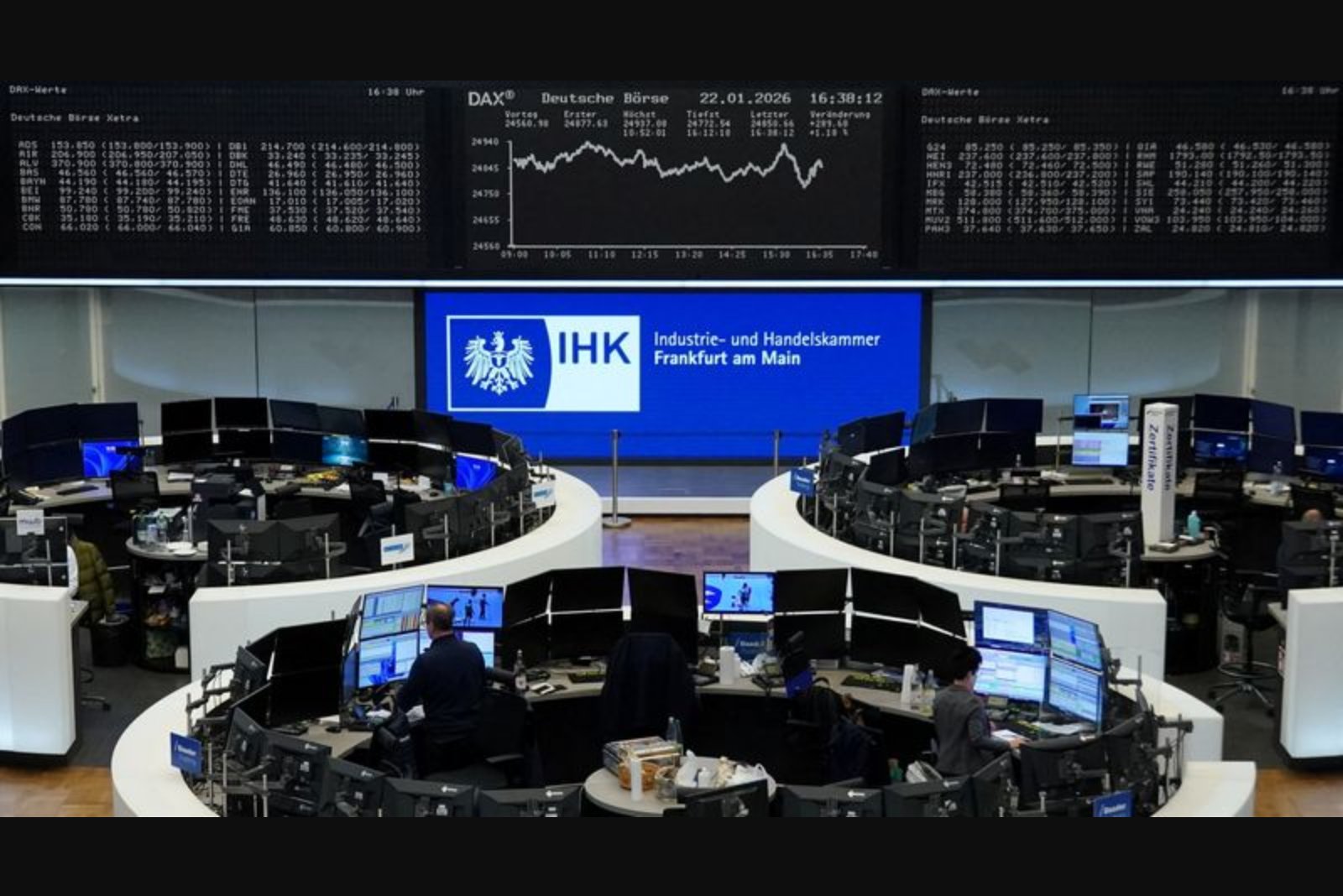
Markets entered Wednesday with attention split between quarterly earnings and fresh economic readings, while the Japanese yen staged a notable comeback. Among European companies set to publish results are TotalEnergies, Siemens Energy, Deutsche Boerse, Heineken, Schindler and EssilorLuxottica.
Investor caution intensified after U.S. retail sales unexpectedly came in soft, leaving doubts about the resilience of consumers and the durability of recent equity gains in consumer-facing names. The weakness in retail receipts has fed speculation that recent rallies in select retailers - including heavyweights that had benefited from a rotation away from AI-sensitive stocks - may be vulnerable if consumer demand softens further.
A delayed U.S. payrolls report is due to land later, and the January employment release is forecast to show payrolls increased by 70,000, compared with a 50,000 rise in December, with the unemployment rate expected to hold at 4.4%. Market watchers will also parse revisions to prior months: estimates for the year through last March could reveal that payrolls were hundreds of thousands fewer than initially reported.
Bond markets reacted to the retail sales data with Treasuries rallying and a modest increase in expectations for U.S. rate cuts, after core retail sales rose just 0.1% in December while October and November figures were revised lower.
In Asia, chipmaker TSMC lifted Taiwan's market into its final trading day before the Lunar New Year break, helping push the bourse to a record and contributing to a 1.3% gain for MSCI's Asia ex-Japan index. In Australia, Commonwealth Bank of Australia shares jumped 7.8% after the bank reported gains in market share and announced a dividend larger than analysts had been forecasting. By contrast, biotech firm CSL saw its share price tumble to an eight-year low after reporting an 81% drop in profits and following the announcement the previous day that CEO Paul McKenzie would depart.
Currency markets also reflected geopolitical and political developments. The yen continued a sharp advance, up more than 2.5% since the Liberal Democratic Party's landslide victory on Sunday under leader Sanae Takaichi - a move that some market participants interpret as a signal that policy or political shifts could support the currency's recovery.
Key items for traders on Wednesday include U.S. payrolls data and earnings releases from a group of European companies: Schindler, Heineken, TotalEnergies, Siemens Energy, Deutsche Boerse and EssilorLuxottica. These reports and data points are likely to influence equity and fixed-income positioning into the close.
Market context
- Soft U.S. retail sales have increased scrutiny on consumer strength and on firms that benefited from recent sector rotations.
- Treasuries rallied following the retail sales print, nudging up expectations for policy easing.
- Yen appreciation accelerated after Japan's ruling party secured a decisive win, altering currency market dynamics.
Upcoming catalysts
- U.S. payrolls for January and any revisions to previous months' employment data.
- Quarterly earnings from major European companies which could reframe regional equity sentiment.