
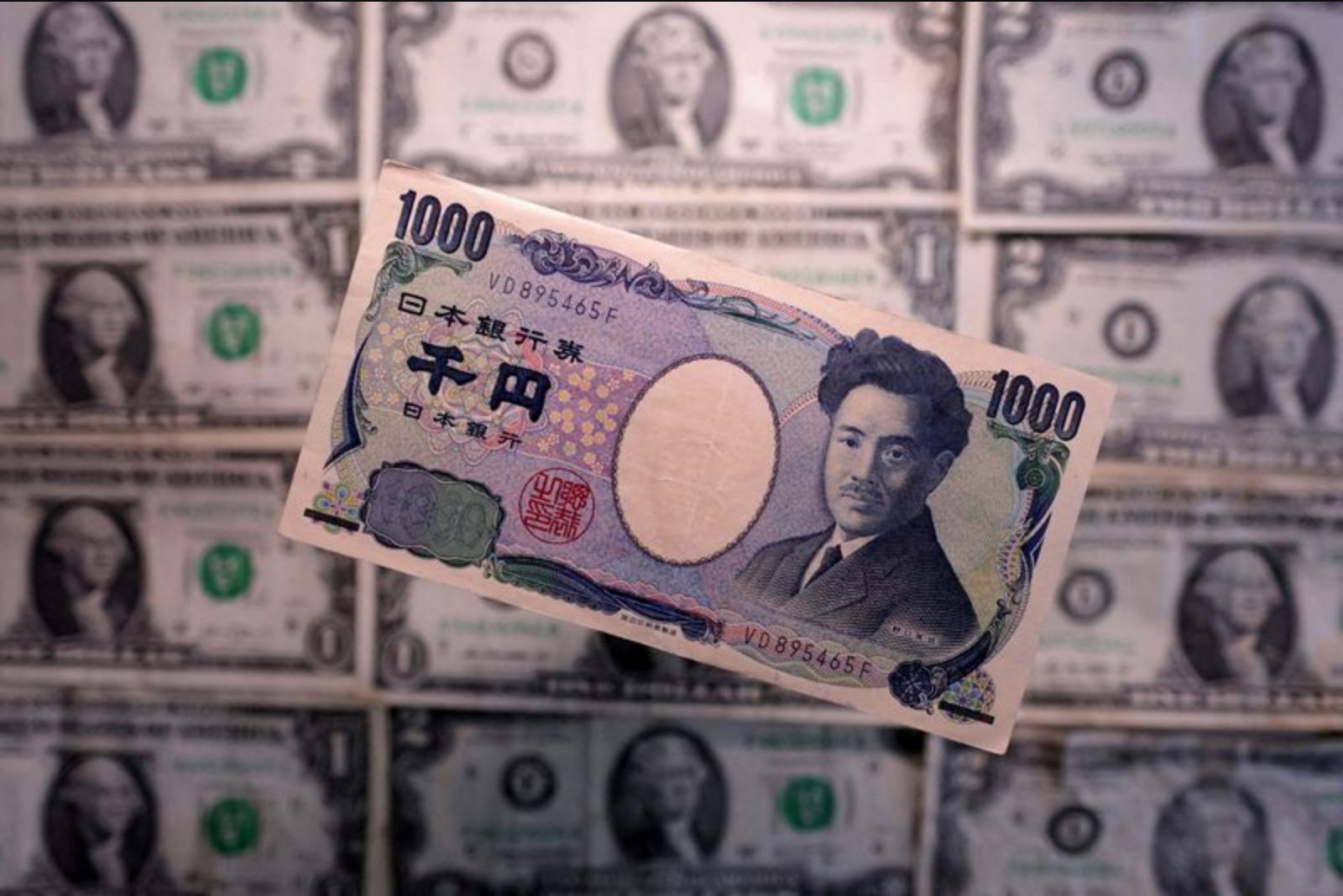
SINGAPORE, Feb 12 - The U.S. dollar slipped on Thursday as a resurgent Japanese yen, a strengthening Australian dollar and steady gains in the Chinese yuan weighed on the greenback, leaving it on course for a weekly fall. Traders said attention was shifting toward the next round of U.S. labour and inflation data as a potential trigger for further moves.
Although a stronger-than-expected U.S. jobs report released overnight briefly lifted the dollar, market participants interpreted signs of resilience in the U.S. economy as an indication of broader improvement in global growth prospects. That read prompted some investors to bet on Japan as a key beneficiary of a brighter growth outlook.
The yen has rallied more than 2.6% since Prime Minister Sanae Takaichi’s Liberal Democratic Party won a landslide victory in Sunday’s election, a swing that market participants say has shifted sentiment away from worries about future fiscal spending and toward expectations of stronger growth. The currency strengthened to as much as 152.55 per dollar on Wednesday, before trading slightly weaker at 153.05 per dollar on Thursday.
Market observers cautioned that the recovery is still in its early stages given the prolonged decline the yen experienced over recent years, but they noted the move has been sizeable enough to attract attention.
"It’s Japan buying," said Naka Matsuzawa, chief strategist at Nomura Securities in Tokyo, with the yen - rather than the euro - turning into the favoured avenue for investing outside the U.S. "Foreigners are buying both stocks and bonds. With a stronger government, the market hopes for higher growth."
Analysts highlighted technical levels that could accelerate yen appreciation if breached. They pointed to resistance near 152 per dollar and the 200-day moving average at 150.5 as thresholds that, if crossed, could quicken the pace of gains. The yen has also strengthened against currency crosses, gaining about 2% against the euro over two sessions and moving above its 50-day moving average.
U.S. economic releases reinforced the mixed backdrop. Overnight data showed U.S. job creation unexpectedly picked up in January and the unemployment rate fell to 4.3%. A separate survey earlier in the month recorded a surprise rebound in U.S. factory activity for January. Moves in Asian currency markets on Thursday morning were modest, but the Australian dollar traded above $0.71 and pushed back toward a three-year peak after the Reserve Bank governor warned the board would raise rates again if inflation became entrenched.
Other major currencies were relatively firm: the euro traded around $1.1875, sterling held at $1.3628 and the New Zealand dollar was about $0.6052.
The Chinese yuan has also been on the front foot, supported by robust exports and indications from authorities that a stronger currency may be tolerated. Corporate demand ahead of the Lunar New Year helped the yuan reach a 33-month high of 6.9057 per dollar on Wednesday, and offshore trade showed it slightly firmer at 6.9025 on Thursday.
Across the board, the U.S. dollar index was down about 0.8% for the week at 96.852. Market participants flagged near-term potential catalysts, including U.S. jobless claims due later on Thursday and U.S. January inflation data scheduled for Friday, as events that could prompt renewed volatility in currencies and risk assets.
Market context: Currency markets are reacting to a mix of political developments in Japan, surprise U.S. economic readings, policy remarks from the Reserve Bank of Australia and strong Chinese exports and corporate demand tied to the Lunar New Year.