
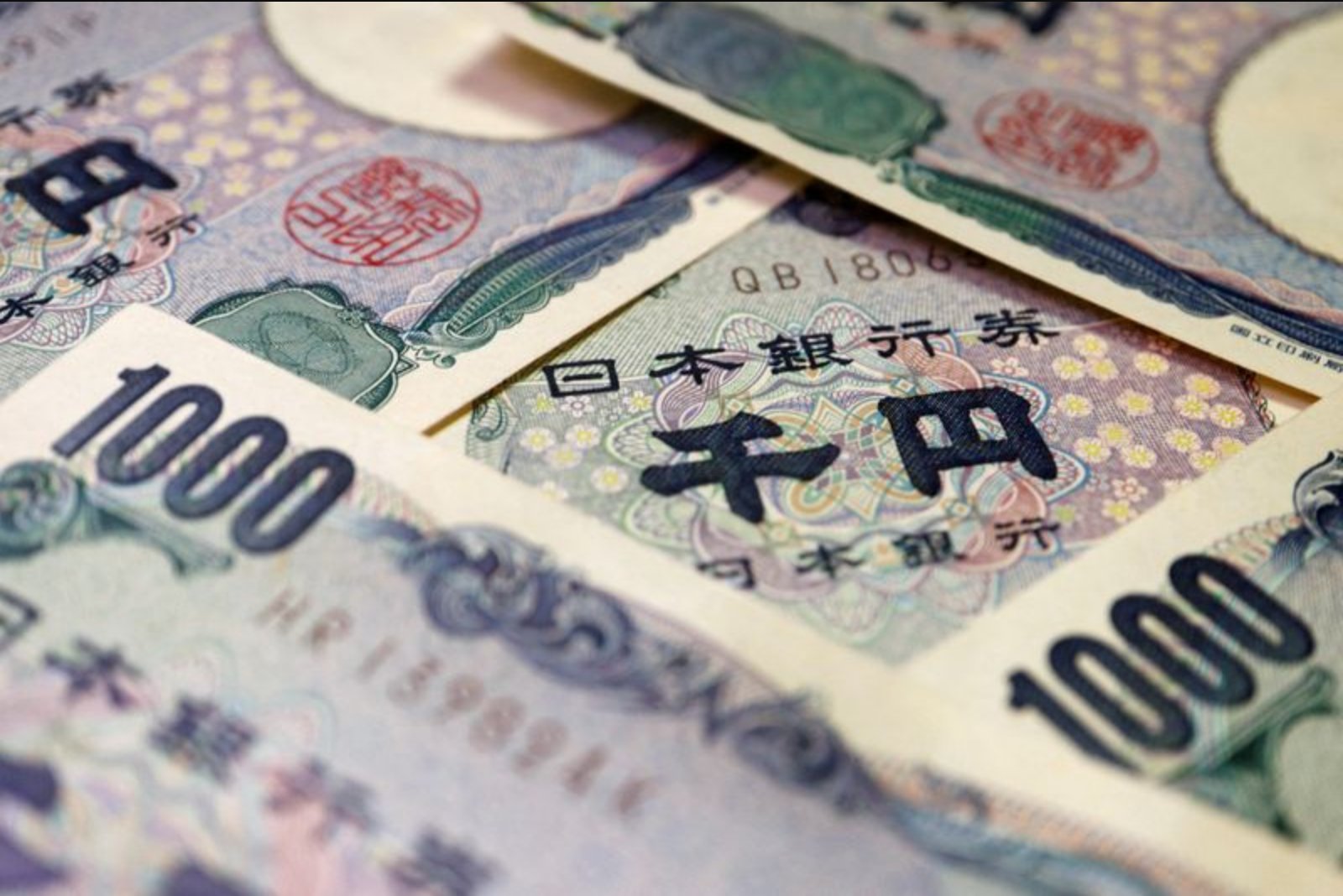
SINGAPORE, March 19 - The Japanese yen hovered near its weakest levels in two years at the start of Asian trading on Thursday, pressured by a stronger U.S. dollar and an uptick in oil prices as investors awaited the Bank of Japan's policy decision later in the day.
The spot yen was trading up 0.1% at 159.78, a small rebound from its recent trough. Japanese Finance Minister Satsuki Katayama said authorities were on heightened alert for volatility in currency markets and suggested that part of the recent movement had been driven by speculative activity.
The BOJ's decision arrives midweek in a key central bank period that has seen major policymakers signal caution in the face of an energy price shock and geopolitical uncertainty. Traders are focused on how the BOJ will weigh the risks of rising inflation against slower growth prospects in an economy heavily reliant on imports.
Markets were still parsing the Federal Open Market Committee's decision on Wednesday to leave interest rates unchanged and its projections that signalled higher inflation, steady unemployment and just one rate cut this year. Fed Chair Jerome Powell said the outlook was subject to unusually high uncertainty as policymakers assessed the potential impact of U.S.-Israeli strikes on Iran.
Steve Englander, global head of G10 FX research at Standard Chartered in New York, commented on the Fed's stance. "Chair Powell was extremely vague on how the FOMC would respond to the war, repeatedly refusing to make conjectures on whether inflation or employment effects would dominate," he said. "The hawkish part was the frustration Powell expressed at the slow pace of disinflation, very explicitly conditioning further policy rate cuts on inflation moving closer to target."
The dollar maintained gains on Thursday as investors adjusted expectations for the timing of U.S. rate cuts in the context of accelerating U.S. inflation and a worsening conflict in the Middle East that has sent oil prices higher. The U.S. dollar index, which tracks the greenback against six major currencies, eased 0.1% to 100.11 but remained near four-month highs as traders scaled back bets on earlier Fed easing.
The Fed's hold followed data showing the biggest rise in U.S. producer prices in seven months in February, led by higher costs for services and a range of goods in the period before the Middle East war began.
Financial markets are pricing in a likely hold at the Fed's April 29 meeting, with expectations for easing pushed out to 2027. According to the CME Group's FedWatch tool, futures-implied odds of a policy cut in December are roughly even with a coin toss.
Attention now moves to Tokyo, where the Bank of Japan is widely expected to keep policy rates on hold at its meeting later on Thursday. Officials are looking for clearer signs of how persistent the Middle East conflict will be and how that could affect growth and inflation in Japan.
Analysts expect BOJ Governor Kazuo Ueda to reiterate the central bank's commitment to raising still-low borrowing costs over time while offering limited guidance on the timing of future rate hikes, which would hinge on the duration and economic impact of the war.
Oil prices continued to climb, intensifying concerns about imported inflation in energy-dependent economies. Brent crude futures rose 4.2% to $111.87 a barrel after Iran attacked multiple energy facilities in the Middle East following a strike on its South Pars gas field.
Major currencies saw modest moves on Thursday. The euro rose 0.1% to $1.1469, and the British pound was up 0.1% at $1.3273. Both the European Central Bank and the Bank of England are also expected to keep rates unchanged when they announce policy decisions later on Thursday.
In the Asia-Pacific region, the Australian dollar inched up 0.2% to $0.7040 after February unemployment data showed a small rise to 4.3%, slightly above market expectations. The Reserve Bank of Australia warned that the Middle East conflict posed a material risk to the domestic economy.
The New Zealand dollar gained 0.3% to $0.5816 after official figures showed GDP increased 0.2% in the fourth quarter versus the prior quarter, a result that fell short of analyst expectations and the central bank's forecast. The Reserve Bank of New Zealand also signalled intentions to adjust its approach to Open Market Operations.
Elsewhere in markets, the U.S. dollar was trading down 0.1% at 6.8965 yuan in offshore trade. Crypto assets were mixed: Bitcoin was essentially flat at $71,242.37, while ether rose 0.6% to $2,200.44.
Market context and implications
The combined effect of firmer U.S. data, a hawkish tilt from Fed messaging, and heightened geopolitical risk has reinforced dollar strength and placed the yen under pressure. Policymakers at the BOJ face a delicate balancing act - managing a currency that is weakening against the dollar while monitoring the inflationary effects of rising oil prices and the broader economic fallout from the Middle East conflict.
With multiple central banks expected to hold rates this week, markets are closely watching commentary and guidance from policymakers to assess the timing and scale of future rate adjustments. For import-reliant economies, higher energy costs and a stronger dollar amplify inflationary pressures, complicating the outlook for monetary policy.