
Economy June 1, 2026 03:17 PM

White House Abandons Contested $1.8 Billion 'Anti-Weaponization' Payout Plan

Administration pauses a proposed taxpayer-funded compensation program that drew bipartisan criticism and a court blockade

By Sofia Navarro

The administration has decided to set aside a proposed $1.8 billion compensation program intended to address what it called political 'weaponization.' A senior administration official said the plan is "dead for now." The initiative arose from a legal settlement between the Justice Department and the Internal Revenue Service tied to a lawsuit in which the president sought $10 billion over alleged mishandling of his tax records. The proposal provoked criticism over potential self-dealing and the possibility of payments to individuals involved in the January 6, 2021, Capitol attack; a federal judge has temporarily barred the administration from implementing the fund.

White House Abandons Contested $1.8 Billion 'Anti-Weaponization' Payout Plan

Key Points

  • Administration plans to drop a proposed $1.8 billion "anti-weaponization" fund that would have provided taxpayer-funded compensation for alleged political "weaponization".
  • The fund originated from a settlement between the Justice Department and the Internal Revenue Service to resolve a lawsuit in which the president had sought $10 billion over alleged mishandling of his tax records.
  • The proposal drew bipartisan criticism over conflicts of interest and the possibility of payments to individuals involved in the January 6, 2021, Capitol attack; a federal judge issued a temporary block preventing implementation.

U.S. President Donald Trump plans to abandon a proposed $1.8 billion fund that had been described as an "anti-weaponization" program and that would have directed taxpayer money to compensate for alleged political "weaponization," according to administration sources. One of two senior administration officials said, "It's dead for now."

The proposed fund emerged from a legal settlement between the Justice Department and the Internal Revenue Service intended to resolve an unprecedented lawsuit in which the president had sought $10 billion, alleging mishandling of his tax records. Under the terms outlined by the administration, the fund would have provided monetary compensation to individuals identified as victims of political "weaponization."

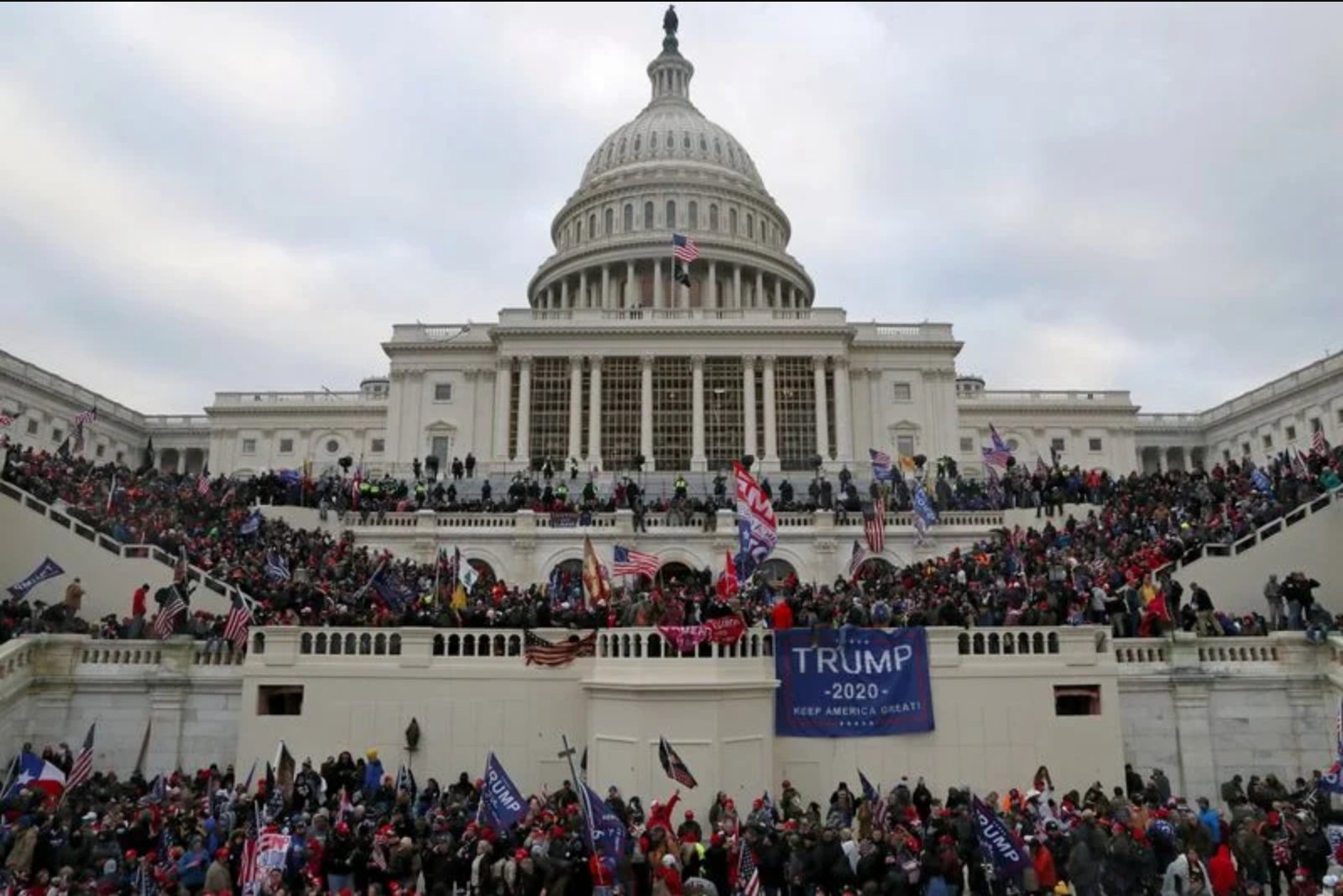
The announcement provoked widespread criticism. Lawmakers voiced concerns about possible self-dealing by the president and highlighted the risk that funds could be paid to violent supporters who participated in the January 6, 2021, breach of the U.S. Capitol and assaults on law enforcement officers. Those objections came from members of both parties.

Legal action intersected with the political backlash. On Friday, a federal judge issued a temporary order preventing the administration from moving forward with the payout plan while the courts consider the matter. The judicial pause adds an additional barrier to implementation of the program.

Officials framed the fund as a remedy for political "weaponization," but critics questioned the propriety of channeling taxpayer dollars in a way that could advantage political allies. The administration's decision to halt immediate plans for the fund follows the public outcry and the court's temporary block.

At this stage, the proposal remains on hold and any future steps will depend on further internal evaluations and the outcome of ongoing legal proceedings. The specific mechanics for how recipients would have been identified and how payments would have been administered were not finalized publicly prior to the court's injunction and the administration's announcement that the program is paused.


Clear summary

The administration has paused a $1.8 billion taxpayer-funded compensation program tied to a settlement resolving a lawsuit over alleged mishandling of the president's tax records. Critics raised concerns about self-dealing and the potential for payouts to participants in the January 6, 2021, Capitol attack, and a federal judge temporarily blocked the plan.

Risks

  • Political and legal risk - Continued litigation and judicial intervention could keep the fund blocked, affecting government legal and administrative costs.
  • Reputational and governance risk - Concerns about potential self-dealing and use of taxpayer funds could increase scrutiny of executive settlements and settlements involving federal agencies.
  • Public finance risk - Even if paused, proposals to use taxpayer money for politically sensitive payouts may influence budget priorities and public confidence in government spending decisions.

More from Economy

Japanese Real Wages Rise for Fourth Straight Month, Strengthening Case for Monetary Tightening Jun 4, 2026 Market Resilience Amidst Sector Shifts: Dow and Russell 2000 Reach New Heights Jun 4, 2026 Australian house price momentum to slow to four-year low as borrowing costs bite Jun 4, 2026 Kevin O’Leary Scales Back Utah Data Center Plan Amid Lawmaker Concerns Jun 4, 2026 Fed's Daly Says AI Could Exert Downward Pressure on Prices Over Several Years Jun 4, 2026