
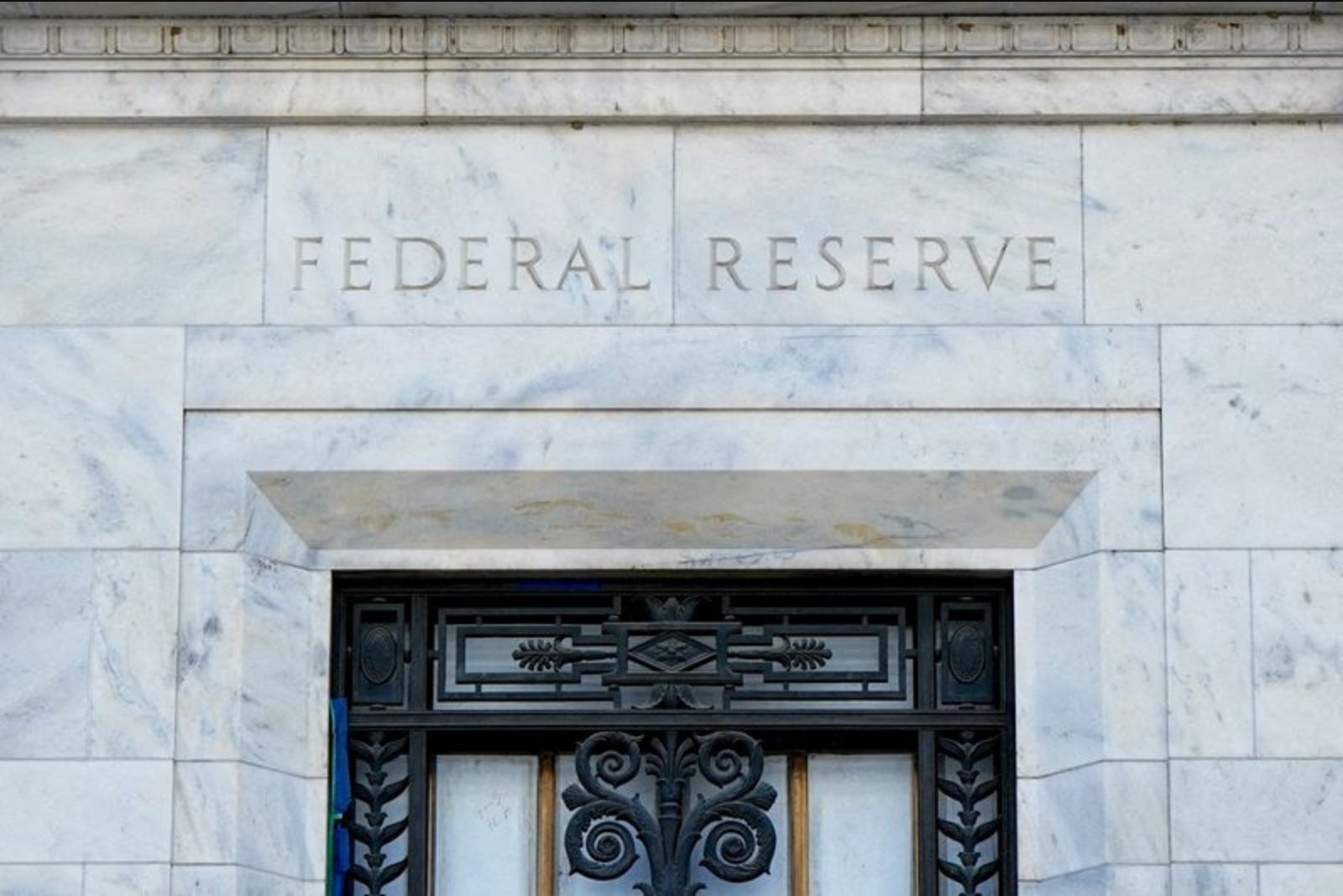
Federal Reserve officials are set to maintain short-term interest rates at their March 17-18 meeting, the same posture the central bank took in January, while they continue to weigh how external shocks and evolving domestic data should shape policy at subsequent gatherings. Officials have publicly discussed the implications of the Iran conflict, rising oil prices, inflation that remains above target, and indications of softening in the labor market.
How policymakers are being grouped
Observers and reporters have sorted recent public comments from Fed officials into shorthand categories - "dove" and "hawk" - to convey the dominant policy concerns of individual officials. In this framing, a dove places more emphasis on risks to employment and may favor quicker rate cuts, while a hawk focuses on upside risks to inflation and tends to be more cautious about reducing policy rates. Reuters has tracked and periodically updated these designations based on officials' published remarks and public comments.
Selected recent remarks from officials
Officials across the system have offered a range of perspectives over the past several weeks. Their comments below are presented as they appeared in public remarks or interviews.
- Susan Collins, Boston Fed president (voter, 2028) - March 6, 2026: "Based on my outlook I see a patient, deliberate approach as appropriate... I do not see an urgency for additional policy adjustments."
- Alberto Musalem, St. Louis Fed president (voter, 2028) - February 25, 2026: "You could have a risk of the labor market to deteriorate further; it's not my base case, but I think it could happen... there is a possibility that inflation could stay higher than we would all like it to be for longer ... these two risks in my assessment are roughly balanced right now."
- Thomas Barkin, Richmond Fed president (voter, 2027) - March 5, 2026: "With the PCE numbers since October ... you've got a couple months of relatively high inflation. That certainly puts pause to any conclusion that we're done fighting this."
- Other officials referenced in recent commentary - public remarks from a range of Fed officials have been cited in news accounts and internal tracking. Names that have appeared in recent statement compilations include Chair Jerome Powell, Governors such as Michelle Bowman, and regional presidents like Mary Daly, John Williams, Neel Kashkari, Lorie Logan and others. Those officials have offered comments emphasizing either downside risks to the labor market or upside risks to inflation as grounds for their policy views; the detailed body of remarks has been used to place them along the dove-hawk spectrum in Reuters' counts.
Context on voting and governance
There are seven governors on the Fed's Board, including the chair and vice chairs; they are nominated by the president and confirmed by the Senate, and each votes at every Federal Open Market Committee (FOMC) meeting. In addition, the Fed system includes 12 regional bank presidents who all participate in FOMC discussions but only five cast votes at any given meeting - the New York Fed president plus four others on a rotating one-year schedule. Regional presidents are selected by the directors of their regional banks subject to approval by the Fed's board.
Public reports have also noted the nomination histories of particular officials cited in remarks: some presidents and governors were nominated by different presidents across administrations, and these nomination paths have been summarized in public reporting about the Fed's membership and leadership.
Policy backdrop and projections
The Fed's current target range for the federal funds rate is 3.50%-3.75%. In December, the median projection among Fed policymakers - as reported at the time - called for a single quarter-percentage-point cut by the end of 2026. Policymakers have repeatedly said they will let incoming economic data guide decisions about the timing and size of future rate moves.
How officials' views have shifted over time
Reuters has tracked the balance of officials it characterizes as dovish, centrist and hawkish heading into FOMC meetings. The counts are updated as officials make fresh public comments or as circumstances evolve. The table below reproduces that Reuters tracking of policymakers' designations across a series of dates, heading into successive Fed gatherings.
Reuters count of policymakers in each category, heading into Fed meetings
Date              Dove  Dovish  Centrist  Hawkish  Hawk
March 3, '26       2      4        6        3
Jan. '26           3      2        5        6        3
Dec. '25           3      1        6        6        3
Oct. '25           3      2        9        4        1
Sept. '25          2      3        8        5        0
July '25           1      3        8        7        0
Jan.-June '25      0      3        9        7        0
Dec. '24           0      2       10        7        0
Nov. '24           0      0       13        5        0
Sept. '24          0      1       12        5        0
May-July '24       0      1       10        6        1
March '24          0      1       11        5        1
Jan. '24           0      2        9        4        1
Dec. '23           0      2        9        4        1
Oct./Nov. '23      0      2        7        5        2
Sept. '23          0      4        3        6        3
June '23           0      3        3        8        3
March '23          0      2        3       10        2
Dec. '22           0      4        1       12        2
Note: The counts above reflect Reuters' categorization of Fed officials' public remarks at the time. Those designations are updated over time as officials make new statements or as circumstances change.
Implications for markets and sectors
The range of views among Fed officials - from those who emphasize labor-market fragility to those who warn that inflationary pressures remain elevated - leaves markets adjusting to a mix of risks. Energy markets are sensitive to geopolitical developments and to changes in oil prices cited by officials as a concern for inflation. Labor-dependent sectors of the economy, including services and consumer-facing industries, face particular exposure if officials' downside labor risks materialize. Financial markets more broadly remain attentive to the timing and degree of any future rate cuts signaled by policymakers and reflected in December's median projection for a modest easing by the end of 2026.
What remains uncertain
Policymakers and markets are waiting on more data and on developments abroad to clarify the balance of risks. Fed officials have emphasized that both upside inflation risks and downside labor-market risks are in play, and several have signaled that they will let incoming data determine the need for further action. Reuters' tracking indicates the balance of viewpoints has shifted over time, reflecting both new comments and changing economic conditions. As a result, the path to eventual easing remains dependent on the trajectory of inflation, the labor market, and external shocks such as oil-price moves tied to geopolitical events.
Bottom line
Heading into the mid-March meeting, the Fed's public posture is one of cautious pause: a decision to hold policy steady while officials continue to monitor competing forces that could push them toward easing or toward maintaining a tighter stance for longer. The split in officials' emphases - whether on persistent inflationary pressures or on labor-market fragility - underpins the uncertainty about the timing and pace of future rate reductions.