
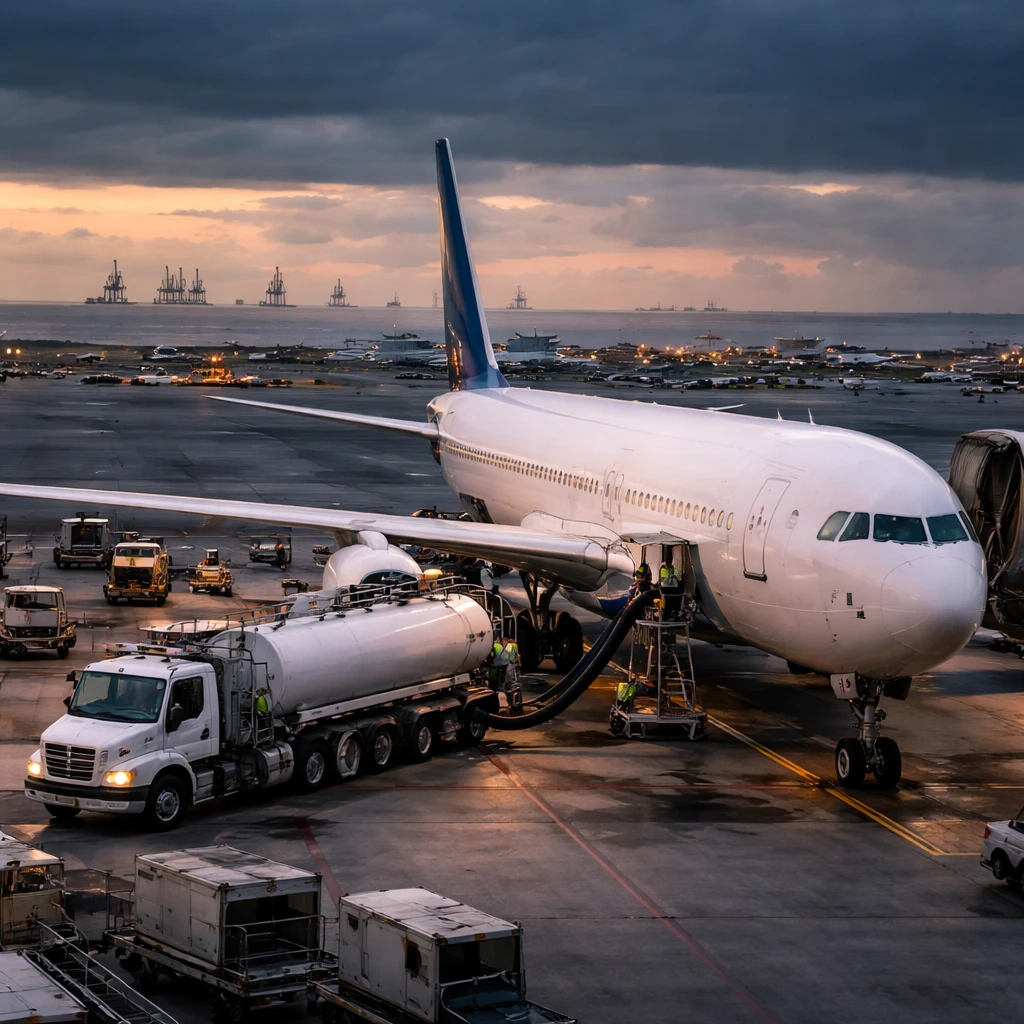
Analysts at Bernstein say oil climbing past $100 per barrel amid the Iran war is likely to put substantial strain on airline profits, even as the larger commercial aerospace cycle shows signs of resilience.
The recent escalation in the Middle East has altered the outlook for petroleum markets - where forecasts that once indicated a surplus now face the possibility of a deficit if disruptions persist. Fighting in the region has already driven crude higher and raised worries about interruptions to flows through the Strait of Hormuz, a key corridor for global energy shipments.
Higher crude translates directly into more expensive jet fuel, and fuel is one of the largest operating costs for carriers. Bernstein highlights that when oil rises because of a supply shock rather than because of stronger demand in the economy, airlines commonly encounter difficulty passing those costs through to fares quickly enough. That lag puts downward pressure on margins.
Compounding the problem, Bernstein notes jet fuel refining margins have widened sharply alongside crude prices. This reflects both the underlying rise in oil and disturbances in refined fuel supply chains linked to the regional conflict, intensifying the immediate cost burden for carriers.
Still, the analysts stress the effect will not be uniform across the industry. Differences in business model, hedging programs and route networks mean some airlines will be better able to withstand higher fuel. Network carriers typically allocate a smaller share of revenue to fuel than do low-cost carriers, which can make them relatively more resilient to sudden oil cost shocks. Airlines with stronger balance sheets, more diversified revenue sources and higher pre-existing margins are also in a stronger position to absorb rising fuel expenses.
Bernstein points out that certain carriers have substantial fuel hedges extending into 2026, providing a temporary buffer against current price jumps. In addition, some carriers with significant exposure to Asian markets could see a partial offset if passenger flows shift away from Middle Eastern transit hubs affected by the conflict, potentially increasing demand on alternative routes.
Beyond carriers, the broader aerospace industry shows durability. Airframe manufacturers such as Airbus and Boeing are supported by multi-year order backlogs that amount to nearly a decade of production at current rates. Those long backlogs reduce the near-term risk of widespread cancellations even if airline profitability comes under pressure.
Conversely, Bernstein identifies the maintenance and aftermarket segment as the area of greatest risk within aerospace. If airline earnings weaken, carriers may postpone engine overhauls, defer other maintenance work or lower aircraft utilization. Such actions would hit maintenance revenue for suppliers and could magnify stress in that part of the supply chain.
Bernstein emphasizes the decisive variable will be how long the conflict lasts and how that duration shapes oil prices. A brief disruption spanning a few months could keep crude elevated but manageable; by contrast, a prolonged closure of crucial energy routes could push oil substantially higher and deepen strains across aviation.
In short, the immediate channel of impact is higher jet fuel and refining margins squeezing carriers' operating profits, with the scale of damage governed by carrier-specific factors and the conflict's persistence. While airframe manufacturers benefit from extended backlogs that support production, the aftermarket and maintenance businesses face a clear downside risk if carriers curtail spending or utilization in response to weaker earnings.
Clear summary
- Bernstein analysts say oil above $100 a barrel driven by the Iran war raises direct cost pressure on airlines through more expensive jet fuel and wider refining margins.
- Impact differs by carrier - network airlines, those with hedges into 2026 and firms with stronger balance sheets are better positioned.
- Aircraft manufacturers benefit from long order backlogs, but maintenance and aftermarket suppliers are vulnerable if carriers delay work or cut utilization.
Key points
- Higher crude and refined fuel margins increase airline operating expenses and squeeze profit margins.
- Carrier resilience depends on business model, hedging and route exposure; some Asian routes could see demand shifts away from impacted Middle Eastern hubs.
- Manufacturers face lower cancellation risk due to nearly decade-long production backlogs; maintenance and aftermarket revenue is the most exposed.
Risks / uncertainties
- Duration of the regional conflict - a short disruption may be manageable, a prolonged closure of energy routes could significantly raise oil and deepen industry stress.
- Supply-chain disruptions for refined fuels that have already widened jet fuel margins may persist, keeping costs elevated for carriers.
- Deteriorating airline earnings could lead to postponed engine overhauls or reduced aircraft utilization, undermining maintenance and aftermarket suppliers.