
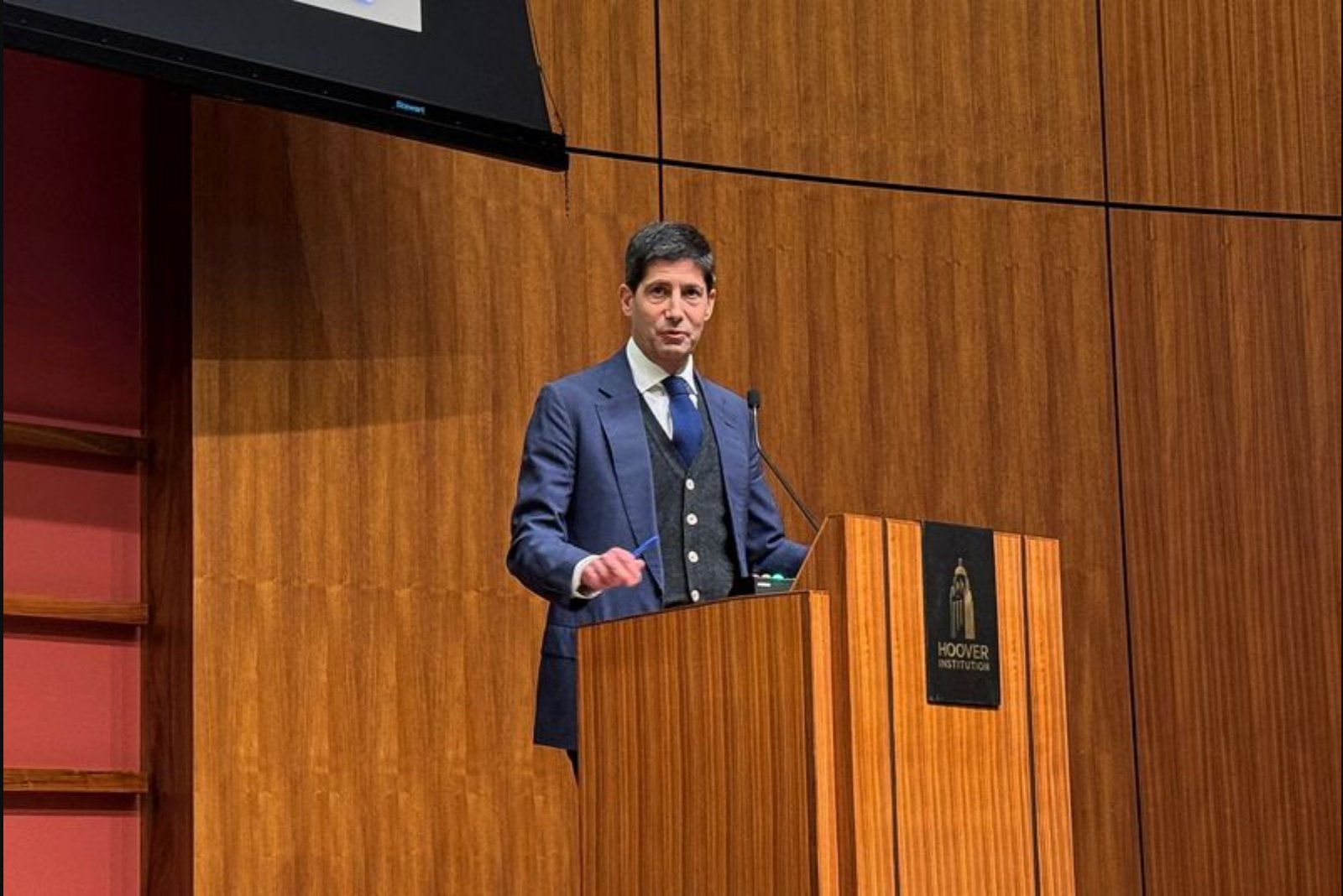
WASHINGTON - President Donald Trump's nomination of Kevin Warsh to lead the Federal Reserve is on hold as legal wrangling over an investigation into current Chair Jerome Powell moves forward, prolonging uncertainty about the central bank's leadership ahead of a looming term deadline.
Jeanine Pirro, the U.S. Attorney for the District of Columbia, announced on Friday that she will appeal U.S. District Judge James Boasberg's ruling that quashed grand jury subpoenas connected to her criminal probe of Powell over Fed building renovations. Judge Boasberg had written that there was "no evidence whatsoever" of wrongdoing by Powell and criticized the investigation as a pretext to pressure the central bank on interest rates - pressure that President Trump has publicly sought to exert.
While Pirro framed the appeal as a defense of the grand jury process, the move has an immediate practical consequence: it effectively keeps Warsh's nomination from advancing. Republican Senator Thom Tillis, a member of the Senate committee that would vet Warsh, said he will not vote to move forward with any of the president's Fed nominees while the probe into Powell remains open. Tillis has clashed with the president since deciding not to seek reelection to the Senate.
Following the judge's ruling, Tillis wrote on the social platform X that "This ruling confirms just how weak and frivolous the criminal investigation of Chairman Powell is and it is nothing more than a failed attack on Fed independence." He added that the D.C. U.S. Attorney's Office should save itself further embarrassment and warned that appealing the ruling would only delay Warsh's confirmation.
Pirro, speaking at a forceful press conference, said she intends to continue the investigation and move forward with the appeal. She dismissed concerns that her decision could prevent Warsh from joining the Fed and could allow Powell to continue presiding over rate-setting meetings beyond the end of his current four-year term as chair. "I don’t care what they say, I have a job. I have the ability to go into a grand jury. There are questions that the American public and people in D.C. are entitled to know," she said. "This decision will be appealed by the United States Department of Justice."
Powell has characterized the probe as a pretext to influence the Fed's interest rate decisions. Pirro's appeal now connects the timeline for Warsh's confirmation to how long the appellate process takes and its eventual outcome.
Powell's term as Fed chair is set to expire on May 15, with two more Federal Reserve meetings scheduled before that date. Although his term as chair ends then, he will remain a member of the Board of Governors. If Warsh has not been confirmed by the Senate in time for the June 16-17 Federal Open Market Committee meeting, Powell would continue to lead those rate-setting sessions.
The prospect that a Trump administration action could inadvertently prevent the president's preferred successor from taking the chairmanship was noted by observers cited in the record. Kathryn Judge, a Columbia University law professor who has studied the Fed's legal protections, said the judge's ruling made clear what many already believed - that the investigation was an abuse of power. She observed that Pirro's actions at this stage appear to be more of an impediment than an aid to the administration's effort to install its preferred team at the Fed. "Any effort to appeal seems likely to fail and will only delay Senate hearings for Warsh," she said.
Background and immediate effects
The appeal keeps alive a legal process that a federal judge deemed unsupported by evidence and described as a possible attempt to pressure the Federal Reserve. That decision has prompted public comments from both supporters and critics of the investigation, setting up a political standoff that now has direct consequences for the timing of a potential leadership change at the central bank.
Timing and procedural implications
Because Senator Tillis has refused to advance any nominations from the administration while the probe is unresolved, Warsh's confirmation cannot proceed through the Senate committee that vets Fed nominees. The chain of events - the judge's ruling, Pirro's announcement that she will appeal, and Tillis' withholding of committee action - means the nomination will remain in limbo until the appeals court addresses the judge's decision or until other procedural changes occur in the Senate.
Legal framing
Judge Boasberg's ruling explicitly found "no evidence whatsoever" of wrongdoing by Powell and questioned the motives behind the subpoenas. Pirro has framed her decision to press forward as a duty to allow the grand jury process to run its course, while others see the appeal as prolonging a politically charged inquiry.
This unfolding sequence leaves open the near-term question of who will preside over the Fed's rate-setting discussions if a successor has not been confirmed by mid-June, and it illustrates how a legal action within the administration can intersect with the normal processes for staffing the nation's central bank.