
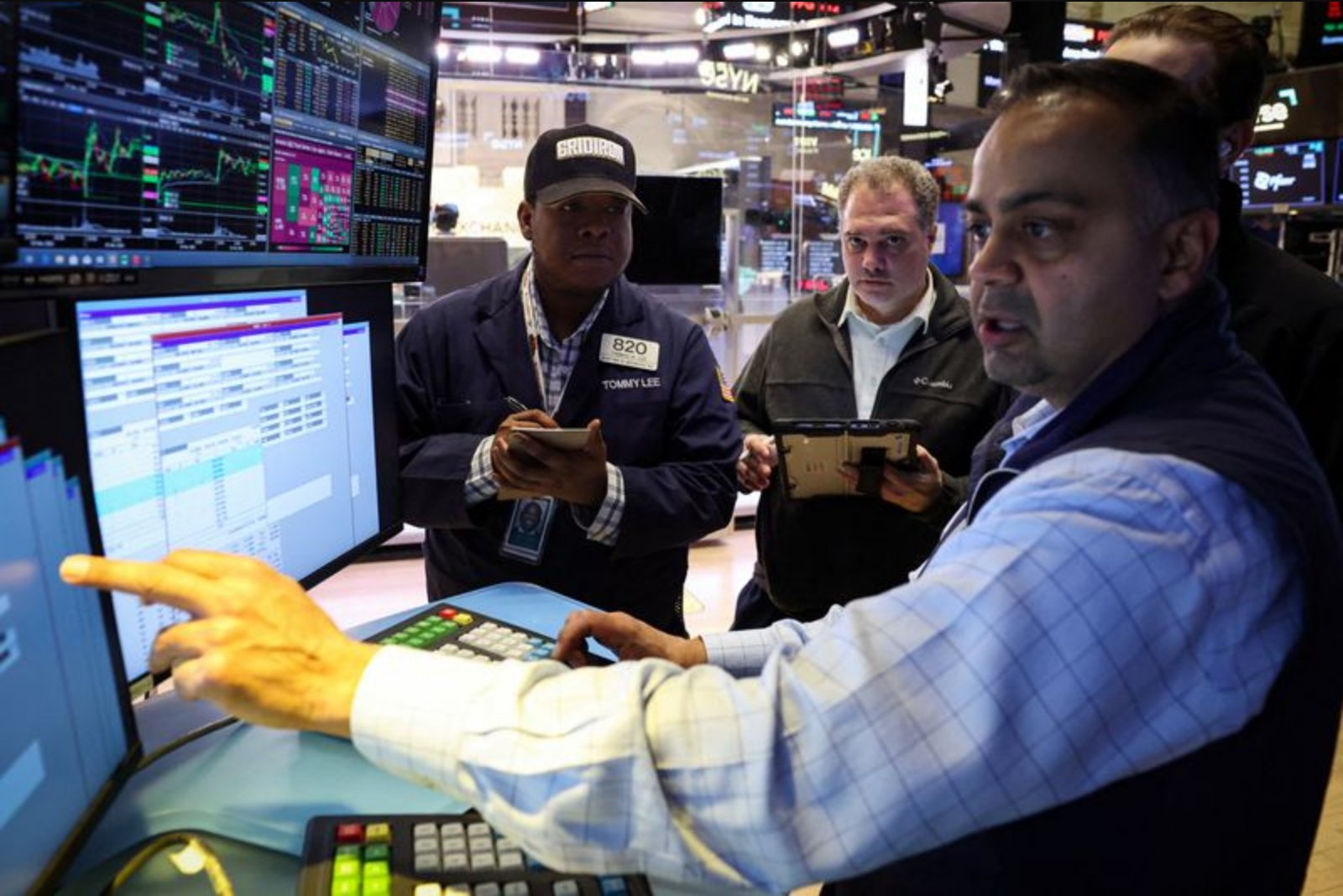
U.S. stock futures started the trading day with little upward momentum on Friday as a widening confrontation in the Middle East heightened fears of rising prices and complicated the outlook for U.S. monetary policy. Major U.S. indexes were on track for a third straight week of losses as market participants weighed elevated oil prices and fresh signs of stress in private credit.
Crude oil hovered near $100 a barrel amid expectations that the fighting in the region will not be resolved quickly, despite statements from the Trump administration expressing confidence in a rapid end to hostilities. Measures intended to ease the shock to markets - including an unprecedented emergency release of oil from the International Energy Agency and a temporary 30-day U.S. license allowing countries to buy Russian oil and petroleum products stranded at sea - have so far failed to reverse the upward pressure on energy costs.
Market strategists warned that the effect of the disruption could reach beyond fuel prices. "Beyond energy, what now concerns economists is the potential impact on the entire global supply chain, because what transits through the Strait of Hormuz does not stop at oil: a significant share of global industrial production indirectly depends on this corridor," said John Plassard, head of investment strategy at Cite Gestion. "In reality, if this situation were to persist, a large part of the global economy could quickly come under pressure."
Investors were also awaiting a slate of U.S. data that could clarify the economic backdrop for policymakers. At 8:30 a.m. ET the government is scheduled to release January figures for durable goods orders and personal consumption expenditures, along with the second estimate of fourth-quarter gross domestic product. A report on January job openings and the University of Michigan’s preliminary March consumer sentiment reading were both due at 10:00 a.m. ET.
Rising costs have added complexity to the Federal Reserve’s policy choices, with inflationary pressures emerging as the jobs picture softens. Interest-rate futures coupled with climbing short-term Treasury yields point to a hawkish tilt in market expectations over the near term. The central bank is expected to convene next week and is widely predicted to keep borrowing costs unchanged at that meeting.
Traders have pared back expectations for the pace of easing this year. LSEG-compiled data showed market participants now foresee only a single 25-basis-point rate cut in 2026, down from expectations of two cuts prior to the outbreak of war on February 28.
Early price action in futures reflected the cautious mood. At 5:19 a.m. ET, Dow E-minis were down 11 points, or 0.02%, S&P 500 E-minis were down 3.5 points, or 0.05%, and Nasdaq 100 E-minis were off 31.25 points, or 0.13%. The CBOE volatility index, Wall Street’s gauge of investor fear, wavered and was last 0.22 points lower at 27.05. Futures tied to the rate-sensitive Russell 2000 index were also modestly lower.
The Dow, which has a heavy weighting toward financials, has been the worst performer among major indexes over the past three weeks and was on pace for its largest monthly decline since December 2024.
Credit quality concerns spiked during the week after a series of actions by major asset managers. Morgan Stanley halted redemptions from its private credit funds, following earlier moves by BlackRock and Blue Owl to limit investor withdrawals. JPMorgan Chase instituted restrictions on lending to private credit participants, while Blackstone experienced a surge in redemption requests. In premarket trading, Blue Owl’s shares were marginally lower, with the other firms little changed.
Sectors most directly exposed to the conflict and higher fuel costs showed pressure in early trading. Travel-related stocks were lower: Alaska Air and American Airlines each slipped about 0.4%, while cruise operators Carnival and Norwegian Cruise Line fell about 1% each.
In individual company moves, Adobe shares plunged 9% after the announcement that longtime Chief Executive Shantanu Narayen will step down from the role once a successor is named, intensifying investor concern about the company’s strategic direction as it navigates disruption from artificial intelligence. Cybersecurity firm SentinelOne dropped 4% after it forecast quarterly profit below estimates. Meta, one of the megacap names, slipped 0.7% after reports that its artificial intelligence model called "Avocado" will be delayed until at least May from a planned release this month.
As the market absorbs developments in geopolitics, credit markets and scheduled government reports, investors are balancing competing signals about growth, inflation and the likely path of interest rates. The combination of a potentially prolonged supply disruption through a strategically vital trade corridor and stress in private credit has produced a cautious tone across equity and fixed-income markets heading into a key central bank meeting.