
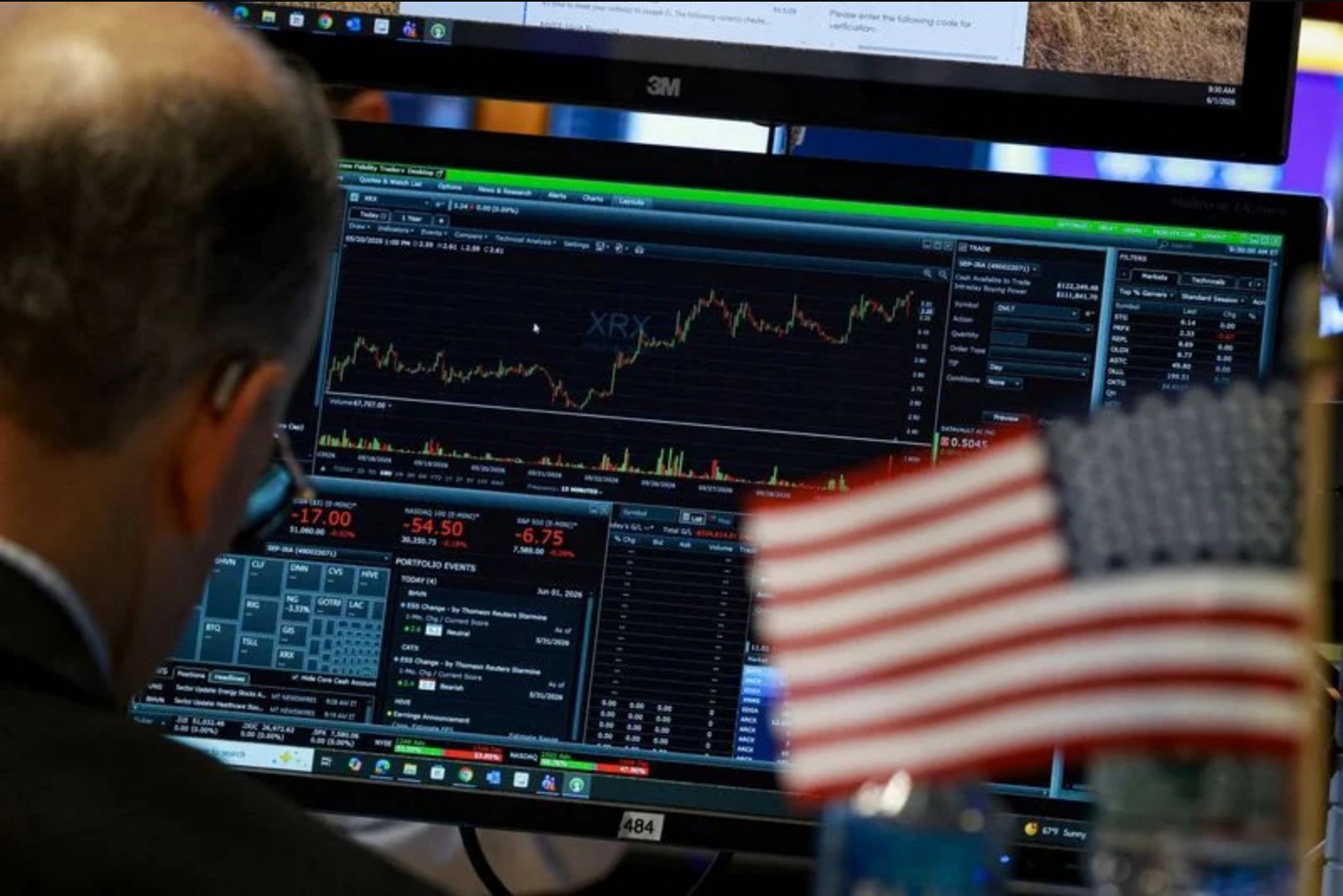
New York - U.S. equity markets posted a mixed performance on Thursday, navigating a complex interplay of sector-specific weakness and macroeconomic data that shifted expectations regarding Federal Reserve policy. The technology sector, particularly the semiconductor industry, weighed heavily on the Nasdaq Composite index, reflecting ongoing volatility within the tech-heavy benchmark. In the foreign exchange markets, the U.S. dollar depreciated following the release of a soft employment report, while the Japanese yen experienced a surge.
Macroeconomic indicators released during the trading session underscored a cooling in the labor market. The U.S. economy added 57,000 jobs in June, a figure that contributed to a decline in the unemployment rate to 4.2%, even as the overall workforce size contracted. This employment data had direct implications for interest rate expectations, suggesting that Federal Reserve policymakers have less impetus to implement additional rate hikes in the immediate future. Consequently, U.S. Treasury yields retreated from previous levels, aligning with the market's reassessment of monetary policy trajectories.
Despite the sectoral headwinds, equity markets broadly finished the week in positive territory. All three major U.S. stock indexes posted weekly gains, demonstrating underlying resilience. European markets also exhibited strength, with the STOXX index reaching a record closing high. Sector rotation was evident during the session, as healthcare stocks emerged as the strongest gainers among S&P 500 sectors. Conversely, the technology sector remained the biggest laggard, dragged down by declines in chip manufacturers.
Commodity markets reflected mixed signals, with energy prices settling slightly higher. Front-month West Texas Intermediate (WTI) crude oil contracts gained 0.2%, while Brent crude settled up by 0.3%. In precious metals, gold prices advanced by more than 2%, benefiting from the softer dollar and shifting rate expectations. Industrial and commercial activity showed signs of strain, as U.S. factory orders fell in May, a decline attributed largely to a slowdown in commercial aircraft orders.
In the energy sector, PJM Interconnection, which operates the largest power grid in the United States, prepared for a significant strain on infrastructure. The grid operator braced for record-setting energy consumption driven by two converging factors: a sweltering heat wave described as a "heat dome" and the rapid expansion of energy-intensive data centers. PJM forecast that the system would break its 20-year demand record around 6 p.m. EDT on Thursday, with a peak power consumption expected to reach 166.2 gigawatts. The grid operator confirmed that it possesses the necessary capacity to meet this anticipated surge in demand.
Meanwhile, hedge fund performance for June revealed divergent outcomes based on trading strategies. According to a Goldman Sachs note, hedge funds that utilize fundamental analysis to assess corporate financial health delivered an 18.4% return for the quarter, marking their strongest performance on the bank's records. Their year-to-date gains stood at 17.4%. Conversely, stockpickers posted a 4% return for the month. However, overall hedge fund profitability was tempered by losses stemming from market volatility and unsuccessful short bets. These losses were primarily linked to oil prices, which had returned to pre-conflict levels, negating gains from earlier positions betting on rising energy costs.
Corporate earnings and forecasts also drew market attention. Tesla reported record second-quarter deliveries, with the rebound in European demand successfully offsetting weakness in North American markets. In the electric vehicle sector, rival Rivian increased its 2026 delivery forecast, prompting a surge in its share price. These developments highlight the evolving dynamics within the automotive industry as demand patterns shift across global regions.
Geopolitical developments continued to influence market sentiment and energy outlooks. Iran prepared for the burial of its slain Supreme Leader, Ayatollah Ali Khamenei, following the first round of Israeli and U.S. strikes. Ruling clerics organized days of mass funeral rites in Tehran and planned mass processions across the country to demonstrate public devotion and the resilience of the Islamic Republic. Concurrently, U.S. and Iranian delegates concluded talks in Doha, discussing the unfreezing of Iranian assets and traffic in the Strait of Hormuz. These diplomatic and regional tensions contribute to the backdrop against which energy and commodity markets operate.
Looking ahead, market participants will focus on a variety of economic indicators and geopolitical events. Key data releases include services Purchasing Managers' Index (PMI) figures from the UK, Germany, Italy, France, Sweden, Spain, UAE, and India for June. Industrial output data will be released for France, Spain, and Brazil for May, while inflation data will be available for Turkey for June. Retail sales figures for Italy and consumer confidence data for Mexico will also be scrutinized, alongside Brazil's trade balance for June and Norway's unemployment rate for June. The U.S. market will be closed on Friday, July 3, in observance of Independence Day, limiting trading activity for the remainder of the week.