
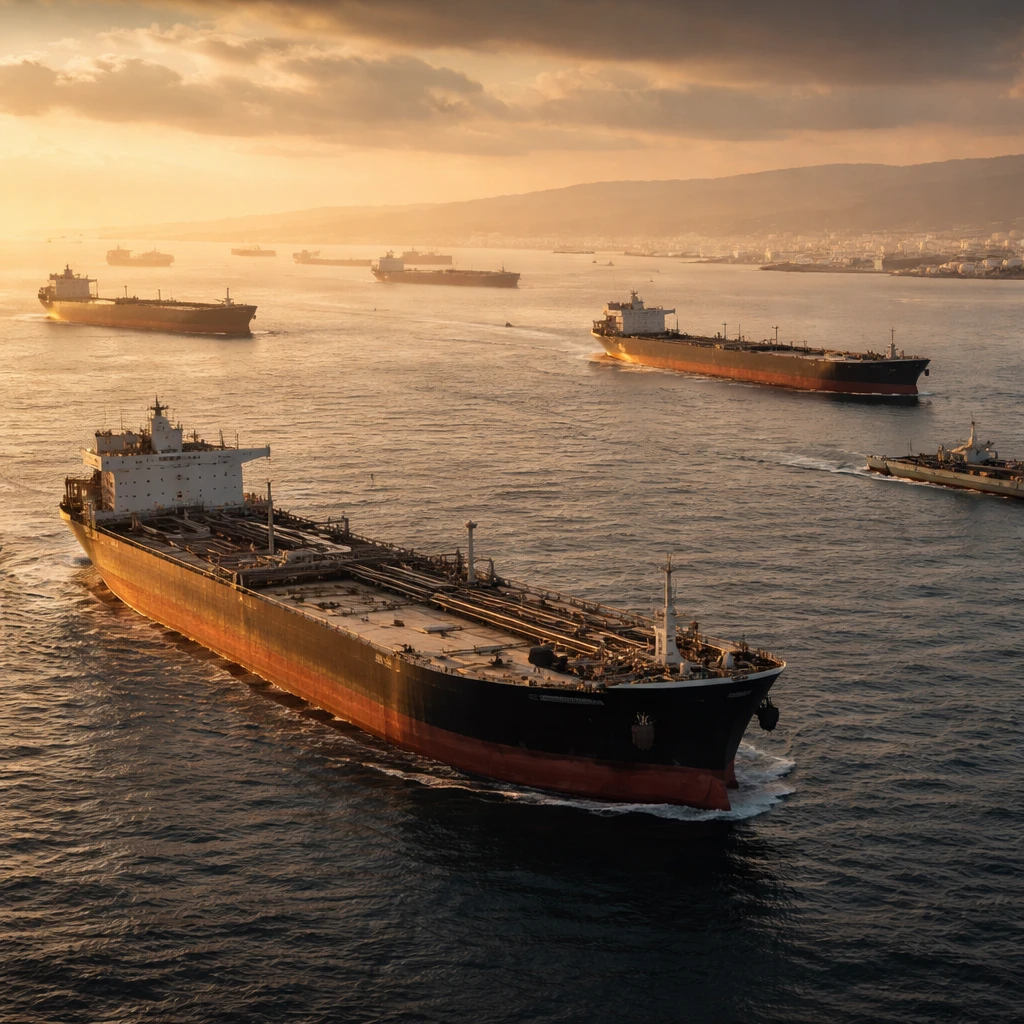
The Trump administration has been evaluating whether to broaden efforts to intercept tankers laden with Iranian oil as part of a strategy to squeeze Tehran's main source of revenue. U.S. officials say the measure has been discussed internally, but they also express reluctance because of the risk of retaliation and the possible disruption to world oil supplies.
The United States has already taken custody of several vessels transporting Iranian crude as components of a blockade that began two months ago. That operation has focused on a group of sanctioned ships often described as a "shadow fleet," which facilitate the transfer of illicit oil from sanctioned suppliers to buyers, including China and other destinations.
Applying the same model to Iranian loadings would further curtail Tehran's oil income by preventing additional sanctioned tankers from taking on cargo in Iran. Such a move would be an extension of the more forceful posture the White House adopted in December in the Caribbean region.
Despite the potential to tighten pressure on Iran, U.S. officials caution that the step is not without significant complications. They point to likely Iranian countermeasures, which could include seizing tankers carrying oil belonging to U.S. partners in the region or the possibility of mining the Strait of Hormuz, actions that could elevate regional tensions and threaten shipping lanes.
Officials emphasize the trade-offs involved: expanding seizures would deepen the campaign to deny Tehran oil revenue, but it would also raise the prospect of direct confrontations at sea and broader effects on the global oil market. Given these considerations, decision-makers have so far stopped short of ordering further seizures beyond those already executed under the blockade.
The discussions reflect a balancing act between intensifying pressure on sanctioned oil flows and managing the geopolitical and market risks that such tactics could provoke.