
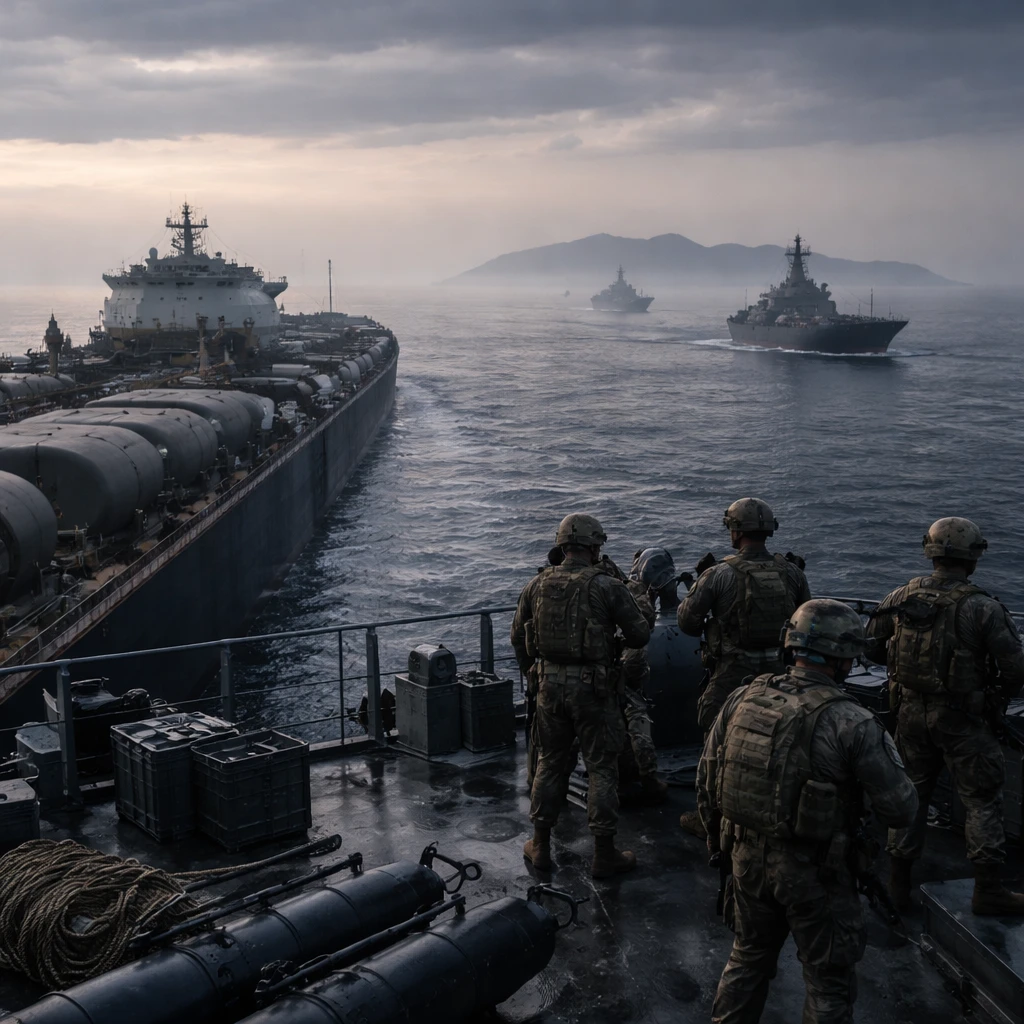
U.S. officials and people familiar with internal deliberations say the administration is weighing the deployment of thousands of additional troops to the Middle East as potential next steps in its campaign against Iran. Those deployments are being examined as options to broaden operations against Iranian targets, according to officials directly engaged in planning.
A central focus for military planners is ensuring the safe transit of oil tankers through the Strait of Hormuz. Securing that waterway is being discussed as a possible objective that could, in some scenarios, require the presence of U.S. troops on Iranian soil.
Officials are also evaluating the prospect of a ground assault on Kharg Island after an operation last week struck military targets on the island. Kharg serves as an export hub for roughly 90% of Iran's oil exports, making it a strategic location in any campaign that aims to influence Tehran's energy lifelines.
The consideration of expanded troop deployments comes as the conflict with Iran enters its third consecutive week. The period has featured strikes attributed to U.S. and Israeli forces that were reported to have killed a number of senior Iranian figures, and Iran has launched retaliatory strikes in response.
Decision-makers are weighing military options against political risks at home. Any commitment of U.S. ground forces in the region carries potential domestic political consequences given relatively low public support for the campaign and the president's prior campaign statements pledging to avoid entanglement in additional wars.
The planning described by officials spans maritime security tasks intended to keep commercial oil traffic moving, kinetic strikes aimed at military targets, and contingency operations that could involve boots on the ground. Sources involved in the discussions emphasized that a range of options remains under consideration as leaders assess the next steps.
Contextual note: Reporting reflects the positions and plans communicated by U.S. officials and people familiar with the matter. Details remain subject to change as policymakers finalize decisions.