
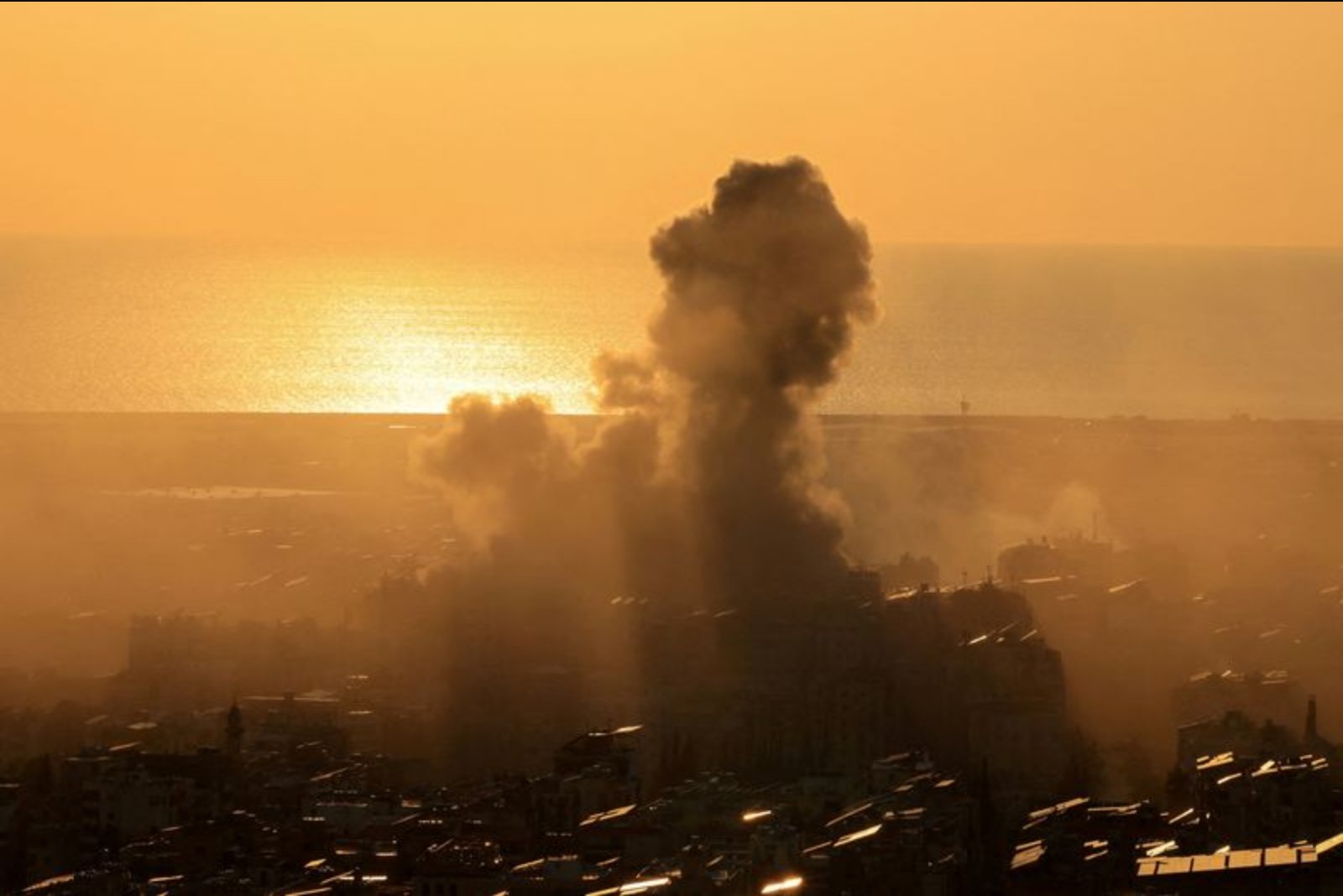
The United States pressed Syria to contemplate sending troops into eastern Lebanon to assist in efforts to disarm Iran-backed Hezbollah, multiple people briefed on the discussions said. Damascus, however, has shown reluctance to undertake such an operation, largely out of concern that involvement would draw Syria deeper into the widening Middle East conflict and risk inflaming sectarian tensions at home and across the border.
Sources said the U.S. push is part of intensified efforts to reduce Hezbollah’s military presence after the group opened fire on Israel on March 2, prompting a subsequent Israeli offensive in Lebanon. Two Syrian officials and two others familiar with the conversations said the idea was first raised between U.S. and Syrian officials last year. Those same sources said the topic resurfaced as the U.S. and Israel began military action against Iran.
Accounts differ on the precise timing of the latest U.S. request. Two Syrian officials said Washington made the request shortly before the campaign against Iran began, while a Western intelligence official said it occurred just after hostilities commenced. In total, those speaking on the record for this article included six Syrian officials and government advisers, two Western diplomats, a European official and a Western intelligence source. All described Syria’s Sunni Islamist-led government as cautiously considering a possible cross-border operation but ultimately hesitant to proceed.
A U.S. State Department spokesperson declined to comment on what they described as "private diplomatic communications" and directed inquiries to the Syrian and Lebanese governments.
Damascus offers public reassurances to Beirut
Despite longstanding enmity between Damascus and Tehran - both of which supported President Bashar al-Assad through Syria’s 2011-24 civil war - Syrian President Ahmed al-Sharaa has taken a restrained posture since U.S.-Israeli airstrikes on Iran began on February 28. A senior Syrian official said Damascus and several Arab allies reached a judgment that Syria should refrain from entering the broader conflict and should limit itself to defensive measures.
Since early February, Syria has increased military assets along the Lebanese frontier, deploying rocket units and thousands of troops. Syrian authorities describe those deployments as defensive in nature. Syria’s ministries of foreign affairs and information did not provide responses to requests for comment.
Lebanon’s presidency said it had received no "hint or notice from the U.S., the West, the Arab countries or Syria" regarding U.S.-Syria discussions about a potential cross-border operation. The presidency noted a recent bilateral call between President Joseph Aoun and Sharaa, followed by a trilateral call that included France’s president, in which Sharaa reportedly affirmed Syria’s respect for Lebanese sovereignty and denied any intention to intervene.
The presidency added that while Lebanon coordinates with Syria on border arrangements, it has not discussed Hezbollah with Damascus. Lebanon’s military said coordination channels with Syria remain open "within the framework of addressing border issues and common security challenges," and that the objective is to prevent incidents and preserve stability along the frontier.
Prime Minister Nawaf Salam said Sharaa told him the reinforcement of Syrian forces along the border was intended "solely to strengthen border control and maintain internal Syrian security," and that Sharaa emphasized the need for continued coordination between the two governments.
President Aoun has publicly pursued a policy aimed at securing Hezbollah’s disarmament, but Beirut has proceeded cautiously. The Lebanese government confronts the reality that Hezbollah holds a substantial arsenal and retains considerable support among Lebanese Shi’ite communities. Sharaa has expressed support for Aoun’s disarmament efforts.
Damascus cites security concerns and risks of escalation
Senior Syrian officials said Washington had effectively signaled approval for a Syrian operation into eastern Lebanon to assist in disarming Hezbollah when conditions were deemed appropriate. But those same officials cautioned that Damascus sees several significant risks. Among the concerns are potential Iranian missile strikes in retaliation and the possibility of unrest among minority Shi’ite communities. Syrian leaders worry such developments would hinder efforts to stabilize Syria following sectarian violence last year.
Two Western diplomats corroborated that Washington had approved the concept of a Syrian cross-border operation. A Western intelligence source and a European official said U.S. officials had asked Syria’s armed forces to play a more active role in countering Hezbollah in Lebanon, including the possibility of an incursion into eastern Lebanese territory. The Western intelligence source and the European official said Syrian leadership is wary that any entry into Lebanon could exacerbate bilateral tensions.
A Syrian military official told interlocutors there was no final decision on any operation inside Lebanon, but that intervention remained an option should a direct conflict emerge between the Lebanese state and Hezbollah.
Historical and sectarian sensitivities
Syria’s historical relationship with Lebanon adds another layer of complexity to any potential intervention. Under the Assads, Syria exerted dominant influence in Lebanon for decades, deploying forces in 1976 during Lebanon’s 1975-90 civil war at the invitation of then-President Suleiman Frangieh and maintaining substantial control over Lebanese politics until Syrian withdrawal in 2005. Officials warn that a renewed Syrian intervention could rekindle sectarian tensions across both countries, which are home to diverse religious communities including Sunnis, Christians, Druze and Shi’ites.
In a March 13 interview with Lebanese broadcaster MTV, Brigadier General Hassan Abdel Ghani, the Syrian Defense Ministry spokesperson, described the border build-up as defensive and said there was a high degree of coordination with Lebanon’s army. He added that Sharaa supported the establishment of Lebanese state authority across the country.
Last week Syrian military statements said Hezbollah artillery had landed in a border village. Hezbollah, for its part, said it had repelled an attempt by Israeli forces to infiltrate Lebanon from that same village. Israeli officials said they were unaware of any such infiltration. The Syrian army said it was "considering appropriate options to take the necessary actions" in response to the incident.
The combination of external military pressure, regional rivalries and domestic fragilities has produced a situation in which Washington is pressing regional actors to take measures to reduce Hezbollah’s military capacity, while Damascus calculates the risks of active involvement. Syrian leaders face the choice of acting against a heavily armed non-state actor - with potential backing from Iran - and preserving fragile internal stability at a time when the government remains vigilant against renewed sectarian strife.