
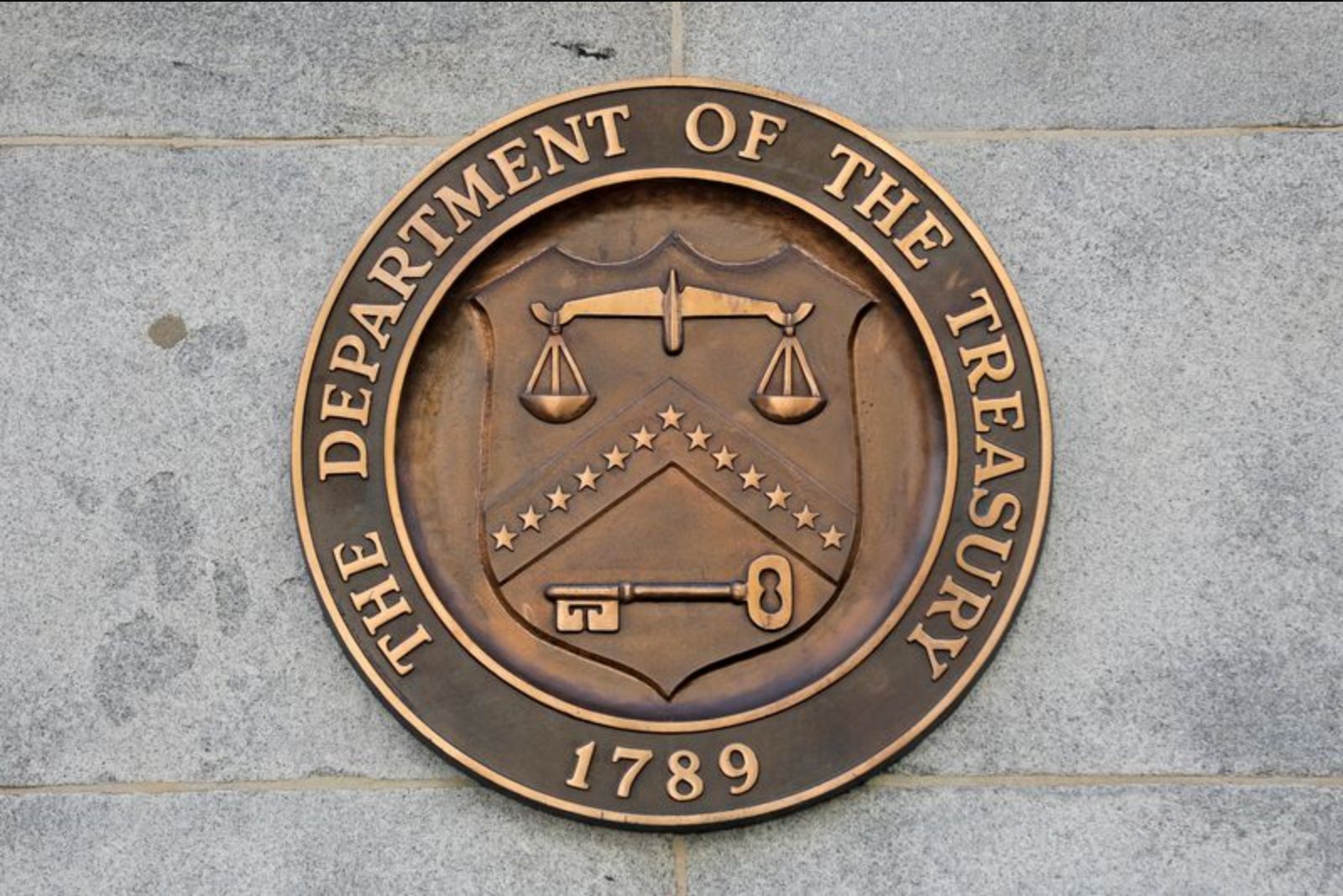
WASHINGTON, May 28 - The U.S. Treasury Department said on Thursday it was removing 76 persons, vessels and entities from its sanctions blacklist, describing the entries as outdated and unnecessary to retain on the Specially Designated Nationals list.
The Treasury said the delistings are intended to reduce the workload on private-sector screening functions and to enable authorities to concentrate on more consequential enforcement tasks. "Treasury is exploring ways to relieve that burden while helping to prioritize more impactful activities to implement sanctions, including scrutinizing for sanctions evasion," it said in a release about taking entities off the Specially Designated Nationals list.
According to the department, firms have told officials they were spending substantial resources to screen targets that posed little practical risk. In some instances the Treasury said the targets no longer existed - for example, financial networks had ceased to operate - or the individuals previously sanctioned had died.
The move comes amid a broader expansion in the use of sanctions. The Treasury highlighted that annual new listings rose from 880 in 2017 to more than 3,000 in 2024. The department also noted sanctions have been employed increasingly on countries including Venezuela, Iran, Syria and Russia.
Officials framed the delistings as part of an effort to modernize the sanctions program by removing stale entries that consume private- and public-sector resources without yielding commensurate enforcement value. The department said the change will allow businesses and regulators to reallocate attention toward detecting and disrupting sanctions evasion on more complex and high‑risk targets.
For businesses responsible for compliance screening, the Treasury cited repeated feedback that retained low‑risk listings required disproportionate effort to screen and monitor. The department said removing outdated names should ease that burden while enabling a sharper focus on prioritized, impactful activities tied to sanctions implementation.
While the Treasury emphasized operational benefits, it did not provide a detailed list of the specific persons, vessels or entities removed in the announcement. The department confined its public statement to the rationale for the delistings and the broader trend of growing sanctions use in recent years.
Context and consequences
The Treasury presented the action as administrative housekeeping intended to strengthen enforcement where it matters most - on complex and high‑risk pathways for sanctions evasion - while relieving companies of compliance tasks related to targets that no longer pose material threats.