
Economy February 20, 2026

U.S. Trade Office to Open Broad Section 301 Reviews Covering Major Partners

Greer signals wide-ranging probes including pharmaceutical pricing and digital discrimination after Supreme Court tariff ruling

By Avery Klein
U.S. Trade Office to Open Broad Section 301 Reviews Covering Major Partners

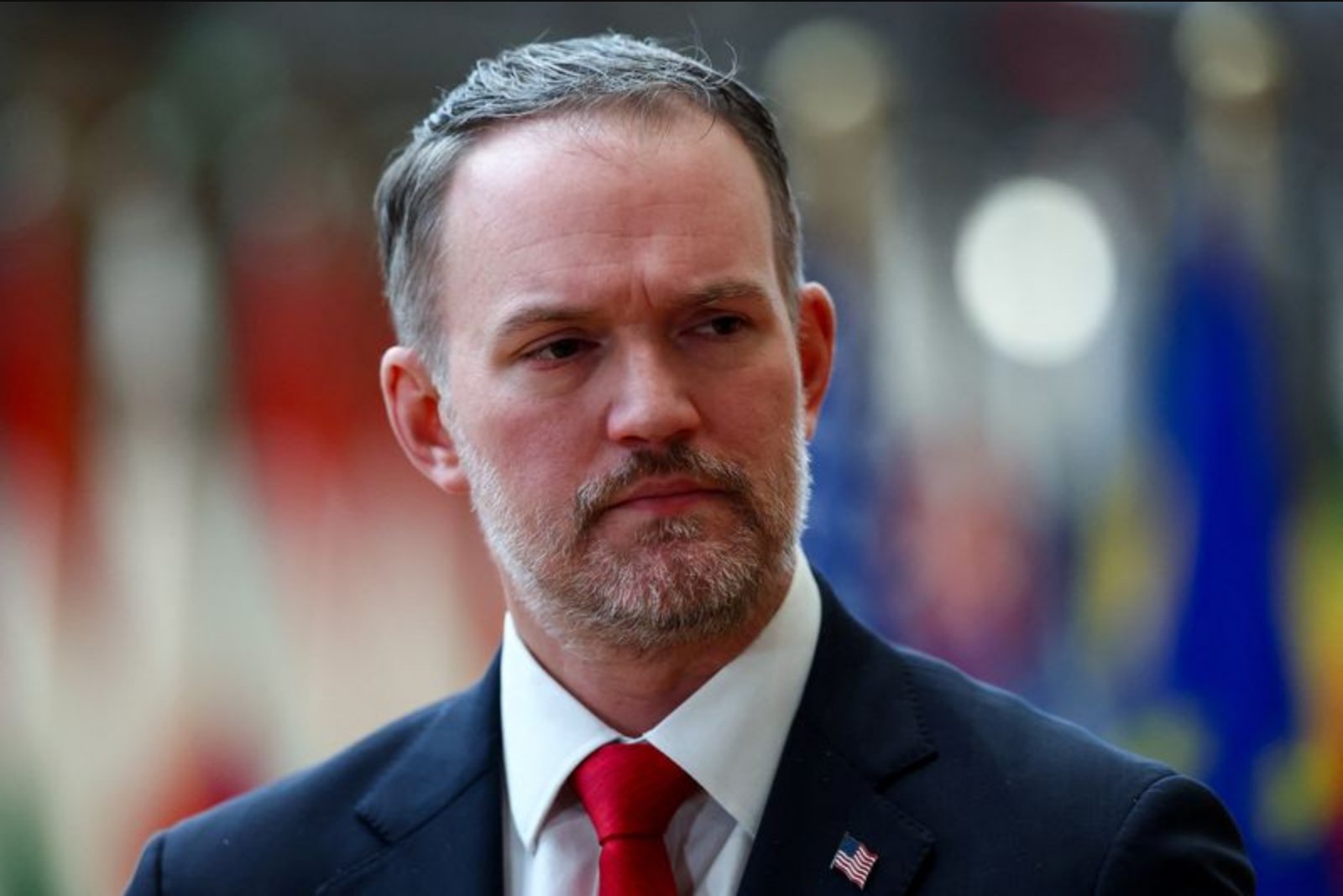
U.S. Trade Representative Jamieson Greer announced on Friday that his office will launch multiple investigations under Section 301 of the Trade Act of 1974. The reviews are expected to span most of the United States' major trading partners and to examine issues including pharmaceutical product pricing, industrial excess capacity, forced labor, and alleged discrimination against U.S. technology firms and digital goods. Greer also said the Trump administration is confident that trade agreements negotiated by President Donald Trump remain in force after a Supreme Court decision striking down tariffs imposed under the International Emergency Economic Powers Act.

Key Points

  • The U.S. Trade Representative announced that multiple Section 301 investigations will be opened, covering most major trading partners.
  • Investigations will potentially examine pharmaceutical product pricing, industrial excess capacity, forced labor, and alleged discrimination toward U.S. technology companies and digital goods, affecting sectors such as pharmaceuticals, manufacturing, technology, and digital services.
  • Greer said the Trump administration believes that all trade agreements negotiated by President Donald Trump will remain in effect following a Supreme Court decision that struck down tariffs of 10% to 50% imposed under the International Emergency Economic Powers Act.

U.S. Trade Representative Jamieson Greer said on Friday that his office will open a series of investigations under Section 301 of the Trade Act of 1974. According to Greer, the inquiries will be broad in scope, covering most major trading partners and focusing on several distinct areas of concern, among them pharmaceutical product pricing.

Greer linked the new reviews to developments following a Supreme Court decision that struck down tariffs ranging from 10% to 50% which had been imposed under the International Emergency Economic Powers Act. He said the Trump administration remained confident that all trade agreements negotiated by President Donald Trump would continue to be effective notwithstanding that court ruling.

The representative outlined topics that the Section 301 investigations could address. He pointed to industrial excess capacity as a potential area of scrutiny. Forced labor in supply chains was flagged as another issue under consideration. Pharmaceutical pricing practices were explicitly mentioned as a subject for review. Greer also said the probes could examine allegations of discrimination against U.S. technology companies and discrimination affecting digital goods.

The announcement did not specify the precise timing of the investigations, nor did it name particular countries or partners that will be targeted. The statement described a set of policy concerns to be explored through the Section 301 process, but left details about individual cases, schedules, and potential remedies unspecified.

Officials framed the forthcoming actions as a broad examination of trade practices and policies across multiple domains. The list of potential topics reflects an interest in both traditional trade issues, such as industrial capacity, and more contemporary concerns tied to technology and pharmaceuticals.

Observers will be watching for follow-up actions from the U.S. Trade Representative's office that clarify which partners and specific practices will be investigated under Section 301 and what measures, if any, might result from those inquiries. For now, the administration's statement emphasizes the scope of the reviews and its view that previously negotiated trade agreements remain intact after the recent Supreme Court decision.


Contact: The U.S. Trade Representative's office provided the announcement as a summary of forthcoming investigative activity; no further procedural details were included in the statement.

Risks

  • Uncertainty about the timing and specific targets of the Section 301 investigations - this creates short-term ambiguity for companies in pharmaceuticals, technology, manufacturing, and digital services.
  • Potential for investigations to touch on complex issues such as forced labor and industrial capacity without clear procedural details - firms operating in affected supply chains may face regulatory scrutiny without immediate clarity on scope or remedies.

More from Economy

USMCA Goods Largely Exempted From New 10% Global Tariff, But Review Threat Looms Feb 20, 2026 Supreme Court Term Spotlight: High-Stakes Cases Shaping Law and Policy Feb 20, 2026 Trump Vows Fresh 10% Global Tariff After Supreme Court Limits His Trade Authority Feb 20, 2026 Supreme Court Ruling Narrows Presidential Tariff Options, Treasury Secretary Says Feb 20, 2026 Supreme Court Curbs Emergency Tariff Authority, Sparking Market and Policy Reactions Feb 20, 2026