
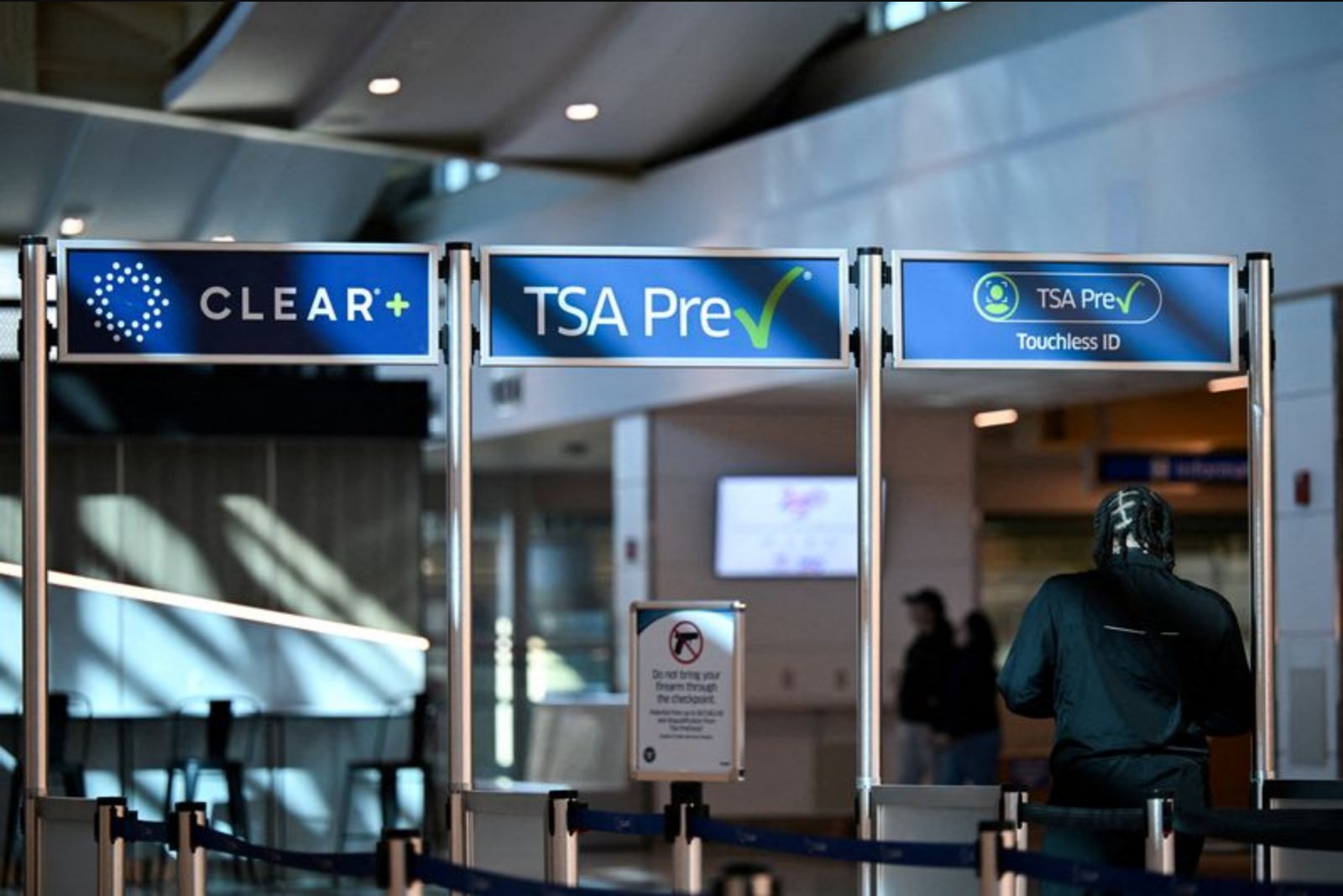
The Department of Homeland Security has returned the Global Entry program to operation, officials and industry groups said. The program, which is designed to streamline customs and immigration processing for pre-approved, low-risk travelers arriving in the United States, was previously suspended on Feb. 22.
DHS initially also planned to suspend the Transportation Security Administration's PreCheck program but reversed that element of the plan. In explaining the original suspension, the department said the action was necessary to "preserve limited funds and personnel" during a partial government shutdown.
Airlines and travel industry groups had urged the administration to restore Global Entry, arguing that the suspension was creating operational disruptions. The suspension contributed to reports of arrival lines stretching three hours or more at some U.S. airports for travelers entering the country.
Separately, absences among TSA personnel in recent days also produced long security lines at certain U.S. airports. Those staffing gaps were reported to have exacerbated passenger wait times in airport security checkpoints, adding pressure on carriers and airport operators managing inbound and outbound flows.
The decision to reinstate Global Entry followed sustained industry appeals and public reports documenting the effects of the program's suspension on traveler processing times. DHS officials framed the initial suspension as a budgetary and personnel measure tied to the partial government shutdown, while airline and travel group interventions emphasized the operational consequences for airports and passengers.
As operations resume for Global Entry members, industry participants and travelers will monitor whether processing times and security queues return to prior levels, and whether further staffing issues or funding constraints affect checkpoint and customs performance at U.S. airports.
Key points
- Global Entry was reinstated after being suspended on Feb. 22.
- DHS cited a need to "preserve limited funds and personnel" during a partial government shutdown as the reason for the suspension, but reversed an initial plan to suspend TSA PreCheck.
- The suspension led to reported arrival lines of three hours or more; TSA staffing absences also produced long security lines at some airports.
Risks and uncertainties
- Ongoing funding and personnel constraints tied to the partial government shutdown may continue to affect customs and security processing - impacts concentrated in the travel, airline, and airport operations sectors.
- Absences among TSA staff remain an uncertainty that can produce extended security wait times and operational disruptions - affecting airlines, airport services, and passenger experience.