
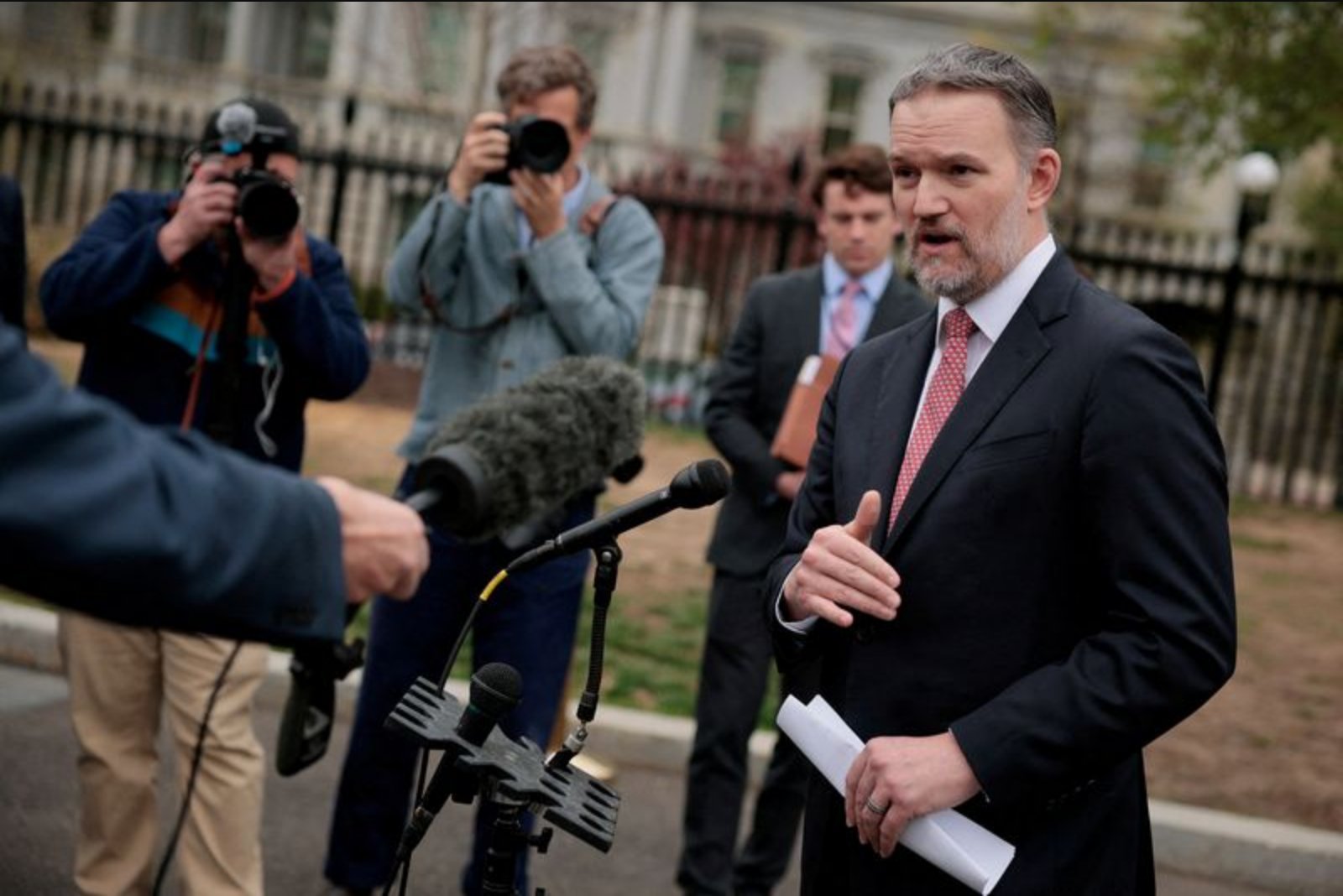
In a recent forum, U.S. Trade Representative Jamieson Greer detailed the administration's approach to managing trade relations with China. A central component of this strategy involves a forthcoming public comment period designed to determine which Chinese products might see a decrease in tariff obligations. This initiative is supported by a joint 'Board of Trade' established by both Washington and Beijing, which will focus its initial efforts on roughly $30 billion in goods deemed non-strategic.
Key Developments and Economic Implications
- Implementation of Managed Trade: Greer indicated that rather than seeking a massive overhaul of the Chinese economic or political systems, the U.S. is pursuing a 'managed trade' model. This approach maintains strategic stability and keeps existing tariffs in place while allowing for specific, controlled adjustments to certain sectors.
- Specific Trade Commitments: The recent summit between President Donald Trump and Chinese President Xi Jinping resulted in significant purchase agreements, including $17 billion in agricultural products and the sale of 200 Boeing airplanes. These agricultural purchases, if fully realized, would push U.S. exports to China back toward historical peaks.
- Tariff Structure: Greer noted that U.S. tariffs on Chinese imports are expected to remain consistently higher than those applied to other nations, reflecting a long-term policy stance.
Market Impact: The focus on non-strategic goods and the continued availability of rare earths suggests a nuanced approach to supply chains. While certain sectors may see relief through tariff cuts, the overarching policy remains one of maintaining higher barriers for Chinese goods compared to other global trading partners.
Risks and Uncertainties
- Reciprocity Requirements: There is a significant dependency regarding the agricultural trade commitments. For Beijing to fulfill its pledge to purchase $17 billion in U.S. agricultural goods, it would likely be necessary for China to remove the tariffs it imposed during the previous trade war.
- Policy Stability vs. Concessions: While some observers anticipated that the recent summit might lead to drastic concessions from the U.S., Greer clarified that no such concessions occurred and that the administration intends to maintain its current tariff structures and strategic stability plans.
Market Impact: The uncertainty surrounding whether China will drop its own retaliatory tariffs creates a potential bottleneck for the agricultural sector, which is heavily tied to these purchase commitments.