
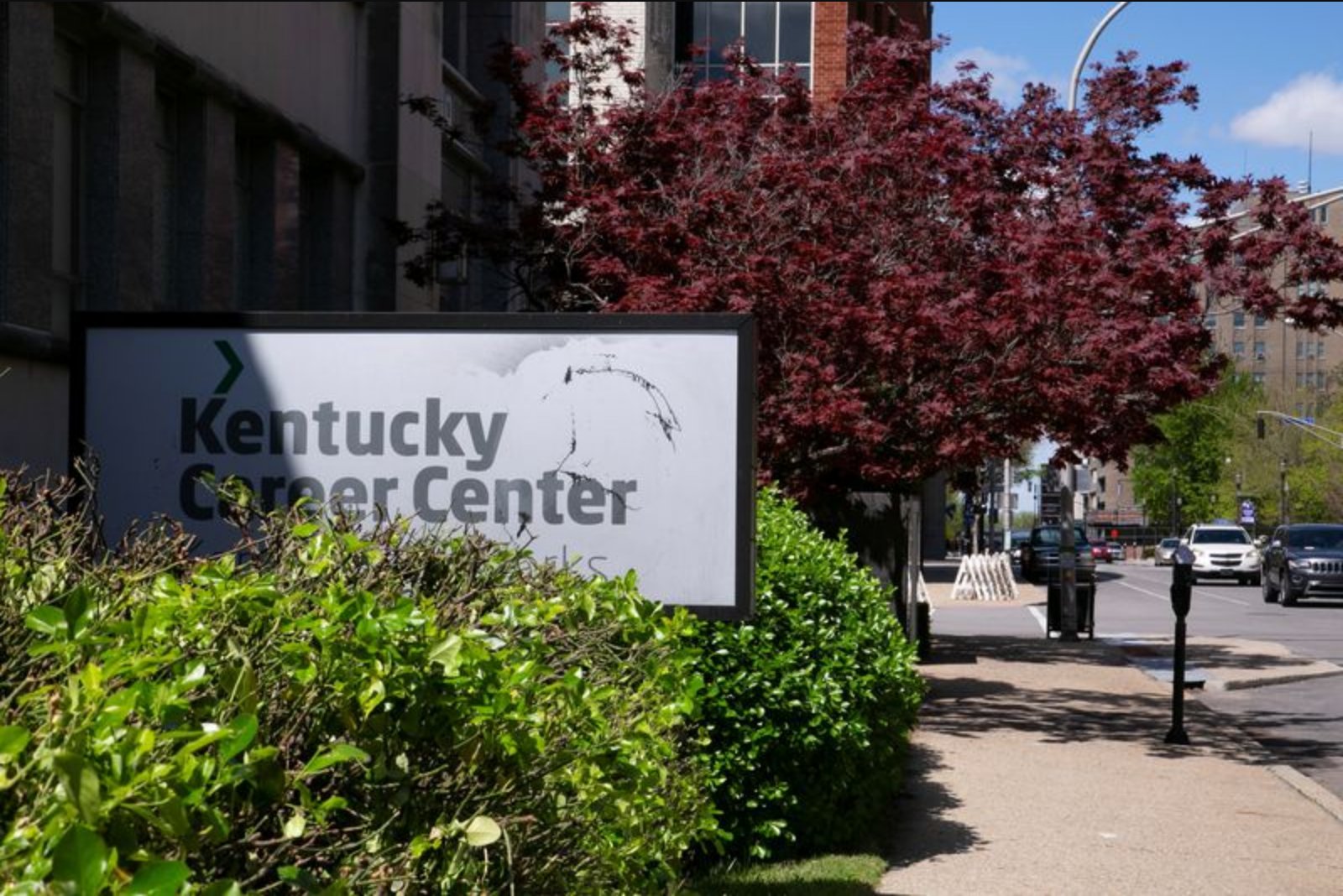
March 6 - U.S. nonfarm payrolls plunged by 92,000 jobs in February, a large downside surprise that heightened worries about the labor market as the economy heads into tensions tied to the US-Israel conflict with Iran. Economists surveyed ahead of the release had been looking for payrolls to expand by 59,000 jobs.
The unemployment rate increased to 4.4%, compared with the expected 4.3%.
Immediate market response
Equity futures moved lower on the news. Futures tied to the Dow Jones Industrial Average and the S&P 500 pointed to a roughly 1.3% decline at the open, while Nasdaq futures indicated a roughly 1.6% drop.
Fixed income markets showed an initial decline in U.S. Treasury yields after the payrolls data, followed by a rebound. The benchmark U.S. 10-year note was last quoted at 4.15%.
In foreign exchange markets, the dollar index was essentially flat at 99.1.
Expert reactions
Commentary from economists and strategists highlighted the report's significance and the tightrope facing monetary policymakers.
"That was a big swing and a miss for the payrolls number. You can’t sugarcoat this report. A negative payrolls number combined with a big jump in oil prices will have traders worrying about stagflation risks. Does the Fed cut to help the labor market or does it hold - or threaten a hike - to tamp down inflation expectations? It’s stuck between a rock and a hard place." - Brian Jacobsen, Chief Economist, Annex Wealth Management, Menomonee Falls, Wisconsin
"It was largely a weak report if you look across the board. We did expect some kind of negative impact from the healthcare strikes last month, but it seems that weakness is across the board. From a Fed perspective, they’re going to need more than this one report. The labor market has been holding up pretty well up until this specific report, so they’re not going to be overreacting to just one data print. This doesn’t really put the March meeting in play in our opinion, especially with the concerns around inflation spiking and potentially the pass-through from the oil spikes that we’ve seen over the last week. All of that combined, this isn’t enough for the Fed to go. They’ll still remain in wait-and-see mode." - Molly Brooks, US Rates Strategist, TD Securities, New York
"These numbers are a negative surprise, and I must say they sort of negate the idea that the labor market is stabilizing. The big question now for the labor market is, is AI really beginning to eliminate jobs and creating a weaker job environment? We’re noticing also that the missing-in-action immigrants are beginning to show up in this particular report. Unless this is an aberration, this is a big warning sign to the markets that the labor market may still be in big trouble and the weak payrolls number and hot wage growth points to stagflation. If it’s not an aberration and it continues for another month or two, then a rate cut which suddenly had fallen off the radar is now back on the radar." - Peter Cardillo, Chief Market Economist, Spartan Capital Securities, New York
"The large downside miss in non-farm payrolls will give the doves at the Fed something to talk about. But at least part of the downside surprise was due to strike action in the healthcare sector that ought to reverse. Beyond that, while the employment report was soft, we doubt it will be long before continued robust growth in the US economy will translate into more sustained demand for labor. It remains to be seen if presumptive Fed Chair, Kevin Warsh, will deviate from his view that the deployment of AI will deliver a sizeable boost to US productivity and make space for lower interest rates. But any recovery in hiring, along with the inflationary risks from events in the Middle East, would weaken the near-term case for rate cuts." - David Rees, Head of Global Economics, Schroders, London
What this means for markets and policy
The weak payrolls print alters the immediate narrative around labor supply and demand. Market participants are assessing how a sizable negative payrolls surprise, alongside recent oil price moves and geopolitical developments, could affect inflation expectations, wage dynamics and the Federal Reserve's policy stance. Several commentators noted that the report alone is unlikely to force an immediate change in monetary policy, but that persistent weakness in payrolls could bring rate cuts back into consideration if the trend continues.
Limitations and context in the data
Several analysts highlighted that part of the payrolls shortfall may reflect temporary factors such as healthcare sector strikes. Others pointed to broader patterns in hiring and labor force participation that will need further data to clarify whether February represents an anomaly or the start of a more sustained slowdown.
Markets will be watching subsequent employment releases and inflation indicators for confirmation of any emerging trend.