
Economy March 11, 2026

U.S. P-8A Flies Through Taiwan Strait as U.S.-China Talks Loom

7th Fleet says transit upholds navigational freedoms ahead of President’s planned China visit

By Marcus Reed
U.S. P-8A Flies Through Taiwan Strait as U.S.-China Talks Loom

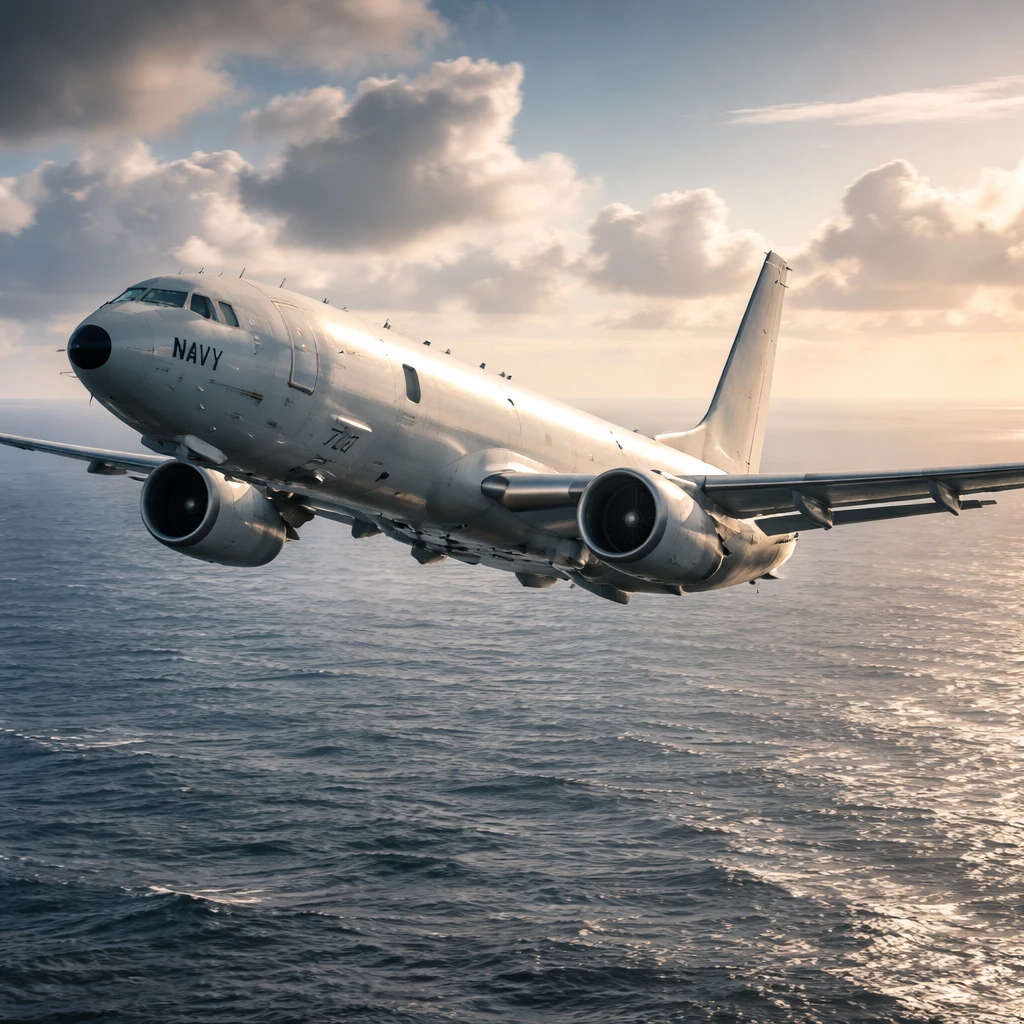
A U.S. Navy P-8A Poseidon operated through the Taiwan Strait in international airspace, the U.S. 7th Fleet said, calling the flight a demonstration of U.S. commitment to a free and open Indo-Pacific. The movement occurred before a scheduled visit by U.S. President Donald Trump to China this month as the two powers seek to steady relations strained by disagreements over Taiwan, trade and technology restrictions.

Key Points

  • A U.S. Navy P-8A Poseidon flew through the Taiwan Strait in international airspace, an action the U.S. 7th Fleet said demonstrates commitment to a free and open Indo-Pacific - sector impacted: defense.
  • The transit occurred ahead of U.S. President Donald Trump’s planned visit to China this month as both capitals seek to stabilise relations marred by disputes over Taiwan, trade and technology - sectors impacted: trade, technology.
  • U.S., Taiwan and China disagree on the legal status of the strait: the U.S. and Taiwan call it an international waterway while China claims jurisdiction and treats Taiwan as its territory - sectors impacted: shipping and maritime transport.

A U.S. Navy P-8A Poseidon aircraft transited the Taiwan Strait on Wednesday, flying in international airspace, the U.S. 7th Fleet said in a statement. The fleet described the operation as evidence of the United States' commitment to maintaining a free and open Indo-Pacific.

The flight took place ahead of U.S. President Donald Trump’s planned trip to China this month as officials in Washington and Beijing work to stabilise ties that have been unsettled by issues including Taiwan, trade disputes and technology curbs.

In its statement the 7th Fleet said: "By operating within the Taiwan Strait in accordance with international law, the United States upholds the navigational rights and freedoms of all nations." The fleet framed the sortie as an exercise of established navigational rights.

U.S. military vessels and aircraft routinely transit the waterway that separates democratically governed Taiwan from mainland China. Such operations regularly provoke anger from Beijing, which regards these movements as sensitive.

China asserts that Taiwan is part of its territory and says it holds jurisdiction over the strait. That position is rejected by Taiwan and the United States, both of which characterise the Taiwan Strait as an international waterway.

Chinese officials have repeatedly described the Taiwan question as an internal matter and have said it lies at the core of Beijing's interests - a red line they say must not be crossed or trampled on. Taiwan’s government rejects China’s sovereignty claims and says only Taiwan’s people can determine their future.

The P-8A transit, and the accompanying U.S. statement, come at a moment of diplomatic engagement aimed at easing tensions. The operation underlined long-standing differences in how Washington, Taipei and Beijing interpret the legal status of the strait and the rights of military and civilian vessels to pass through it.

As the visit by the U.S. president approaches, the transit highlights persistent flashpoints in bilateral relations that officials say need managing even as they pursue broader efforts to stabilise ties.

Risks

  • Operations through the Taiwan Strait routinely provoke anger in Beijing, presenting a risk of heightened political or military friction - sectors potentially affected: defense and international relations.
  • Disputes centered on Taiwan, trade disputes and technology curbs could complicate efforts to stabilise U.S.-China ties ahead of the presidential visit - sectors potentially affected: trade and technology.
  • Differing legal interpretations of the strait’s status create uncertainty for maritime navigation and commercial shipping that relies on clear international passage rights - sectors potentially affected: shipping and logistics.

More from Economy

Sweden Lowers 2026 Growth Forecast to 2.8% Citing Weaker Household Confidence Amid Middle East War Mar 11, 2026 U.S. February CPI Matches Forecast as Iran Conflict Elevates Oil Risks Mar 11, 2026 Bank of Israel Urges Prudence as Defence Spending and Deficit Target Rise Amid Iran War Mar 11, 2026 U.S. Consumer Prices Rise in February as Gasoline and Tariff Effects Persist Mar 11, 2026 U.S. futures slip after February CPI matches forecasts; investors weigh Fed outlook Mar 11, 2026