
The U.S. economy expanded at a subdued pace in the final quarter of the year, with the Commerce Department's Bureau of Economic Analysis reporting an advance estimate of 1.4% annualized GDP growth for the fourth quarter. That outcome fell short of a Reuters poll of economists, who had expected growth of 3.0% for the period.
The poll was completed before new trade data released on Thursday showed the trade deficit widened to a five-month high in December. The economy had previously posted a notably stronger performance, growing at a 4.4% annualized rate in the third quarter.
Analysts point to the record 43-day government shutdown last year as a significant drag on fourth-quarter output. The nonpartisan Congressional Budget Office estimated the shutdown subtracted 1.5 percentage points from fourth-quarter GDP, citing fewer services provided by federal workers, reduced federal purchases of goods and services, and a temporary pullback in Supplemental Nutrition Assistance Program benefits. The CBO also projected that most of the lost output would be recovered over time, while noting that between $7 billion and $14 billion in output would not be recovered.
President Donald Trump weighed in on social media before the report's release, saying the "Shutdown cost the U.S.A. at least two points in GDP. That’s why they are doing it, in mini form, again. No Shutdowns! Also, LOWER INTEREST RATES."
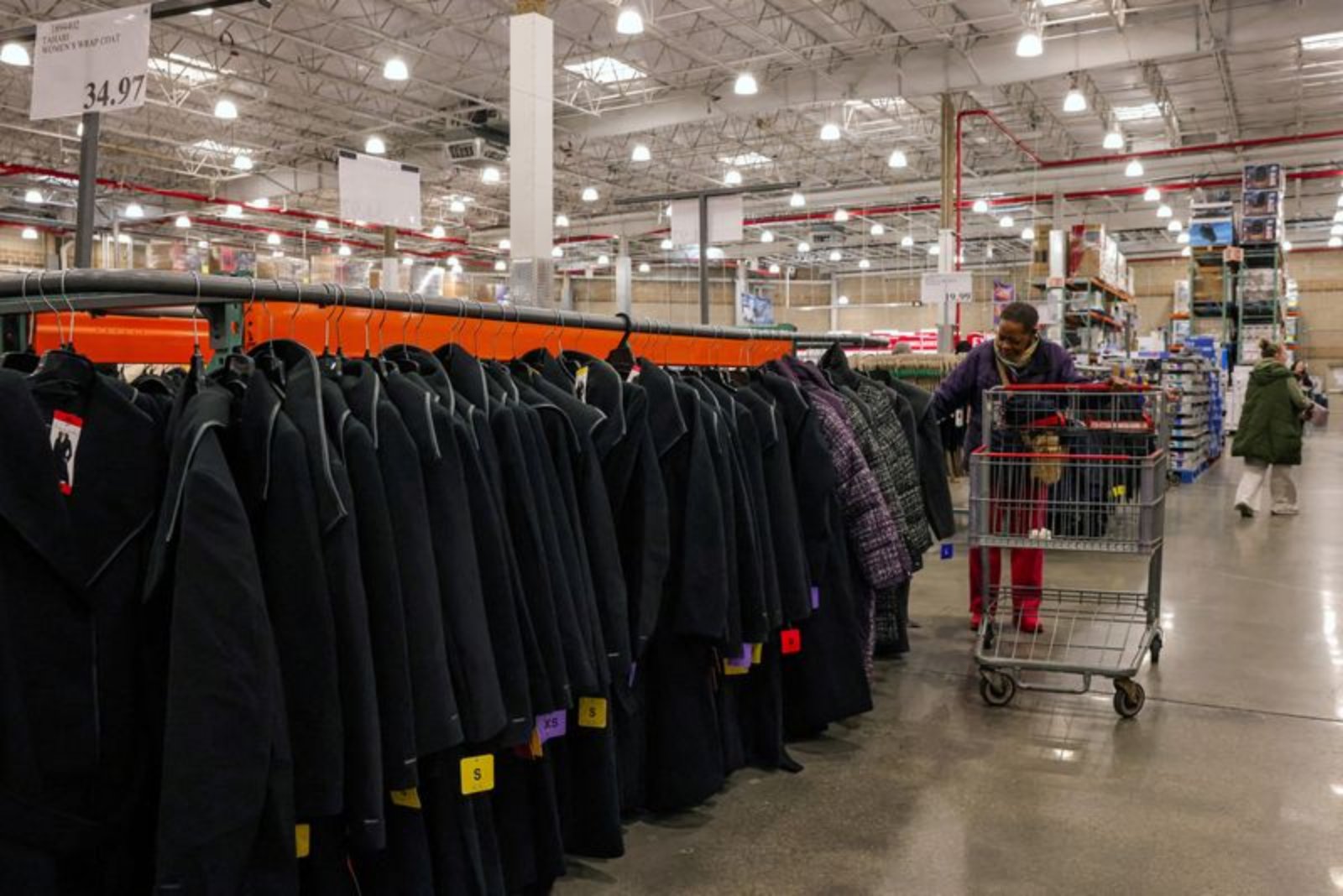
The advance estimate displayed a continued divergence within the economy. The report described a jobless expansion alongside a so-called K-shaped pattern in which higher-income households are faring well while lower-income consumers face strain. The report cited rising inflation related to import tariffs and stalling wage growth as factors contributing to what economists and political opponents of the administration are calling an affordability crisis.
Labor market figures underscore that softness. Only 181,000 jobs were added last year, the fewest outside the pandemic-era slump since the 2009 Great Recession, and a marked decline from 1.459 million jobs gained in 2024.
Consumer spending growth cooled in the fourth quarter compared with the third quarter's robust 3.5% pace. Economists attribute much of spending to higher-income households and say it has occurred alongside declines in saving as inflation eroded purchasing power. Still, forecasters expect consumer spending could receive a lift from larger tax refunds this year due to tax cuts.
Investment tied to artificial intelligence also figured prominently in forecasts of near-term growth. Economists estimated that AI-related spending - including expenditures on data centers, semiconductors, software and research and development - accounted for about one third of GDP growth in the first three quarters of 2025, helping offset headwinds from tariffs and declines in immigration.
While the advance GDP report reflects a notable slowdown, market watchers said the stale nature of the data and the factors identified are unlikely to change the Federal Reserve's monetary policy stance. The report was released after delays caused by the government shutdown and is an initial "advance" estimate that may be revised as more data become available.
Key takeaways
- GDP growth slowed to a 1.4% annualized rate in Q4, below the 3.0% consensus.
- The 43-day government shutdown and a moderation in consumer spending were primary drags on Q4 activity.
- AI-related investment and expected larger tax refunds are viewed as potential supports for growth this year.
Sectors and markets affected
- Consumer sectors - lower- and middle-income discretionary spending is under strain amid slower wage growth and inflationary pressures.
- Technology and capital equipment - AI-related spending in data centers, semiconductors, software and R&D is a material contributor to recent growth.
- Federal services and contractors - government shutdown effects reduced federal purchases and services, weighing on output.
Risks and uncertainties
- Ongoing effects from the government shutdown could depress output and government-sector demand, with some lost production unlikely to be recovered.
- A widening trade deficit could subtract from demand growth, compounding headwinds to GDP.
- Persistent inflation driven in part by import tariffs coupled with stalling wage growth could continue to sap purchasing power for lower-income households, limiting the breadth of consumer-driven expansion.