
U.S. military leaders said on Monday that the campaign targeting Iran will require an extended effort and that further U.S. casualties are likely as operations continue.
Chairman of the Joint Chiefs of Staff, General Dan Caine, told reporters that the missions assigned to U.S. Central Command and the Joint Force are not short-term tasks. "This is not a single overnight operation. The military objectives that CENTCOM and the Joint Force have been tasked with will take some time to achieve, and in some cases will be difficult and gritty work," he said.
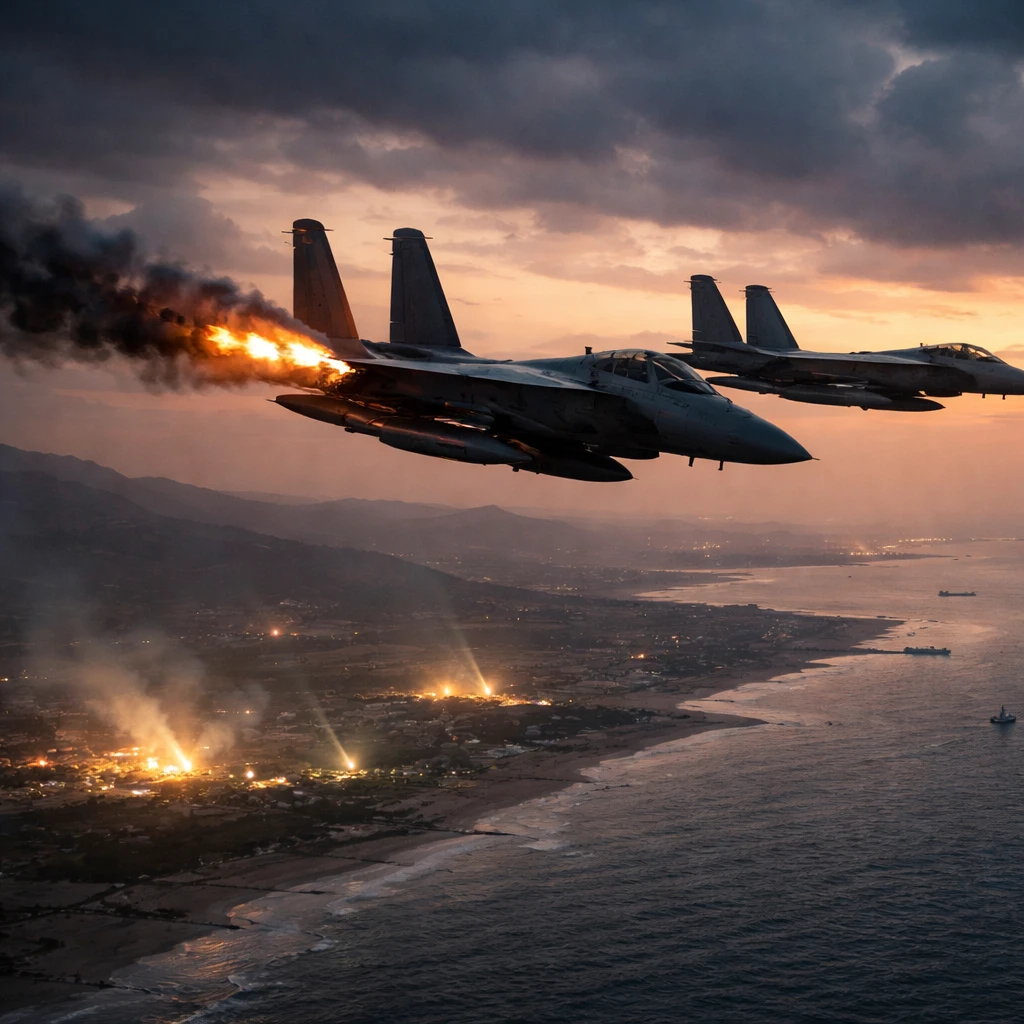
The U.S.-Israeli air campaign expanded on Monday, and officials offered no clear timeline for when the operations would conclude. In a significant development, the U.S. military reported that Kuwait’s air defenses inadvertently shot down three American F-15E fighter jets during an Iranian attack.
Separately, the U.S. confirmed that a fourth service member died on Monday from injuries sustained in the U.S. operation against Iran.
Speaking at the same press conference, U.S. Defense Secretary Pete Hegseth sought to draw a distinction between current operations and previous prolonged conflicts, asserting that the military actions were not meant to be open-ended. "This is not Iraq. This is not endless," Hegseth said, and he described the objective as eliminating Tehran’s missiles, naval forces and other security infrastructure.
The unfolding situation reflects two concurrent themes emphasized by U.S. officials: first, that achieving the designated military outcomes will require time and potentially difficult combat; second, that leaders aim to avoid an indefinite engagement while targeting specific Iranian military capabilities.
The public statements provided limited detail on operational timelines or prosecutorial steps, leaving questions about the duration of the campaign and the sequence of actions to accomplish the stated goals.