
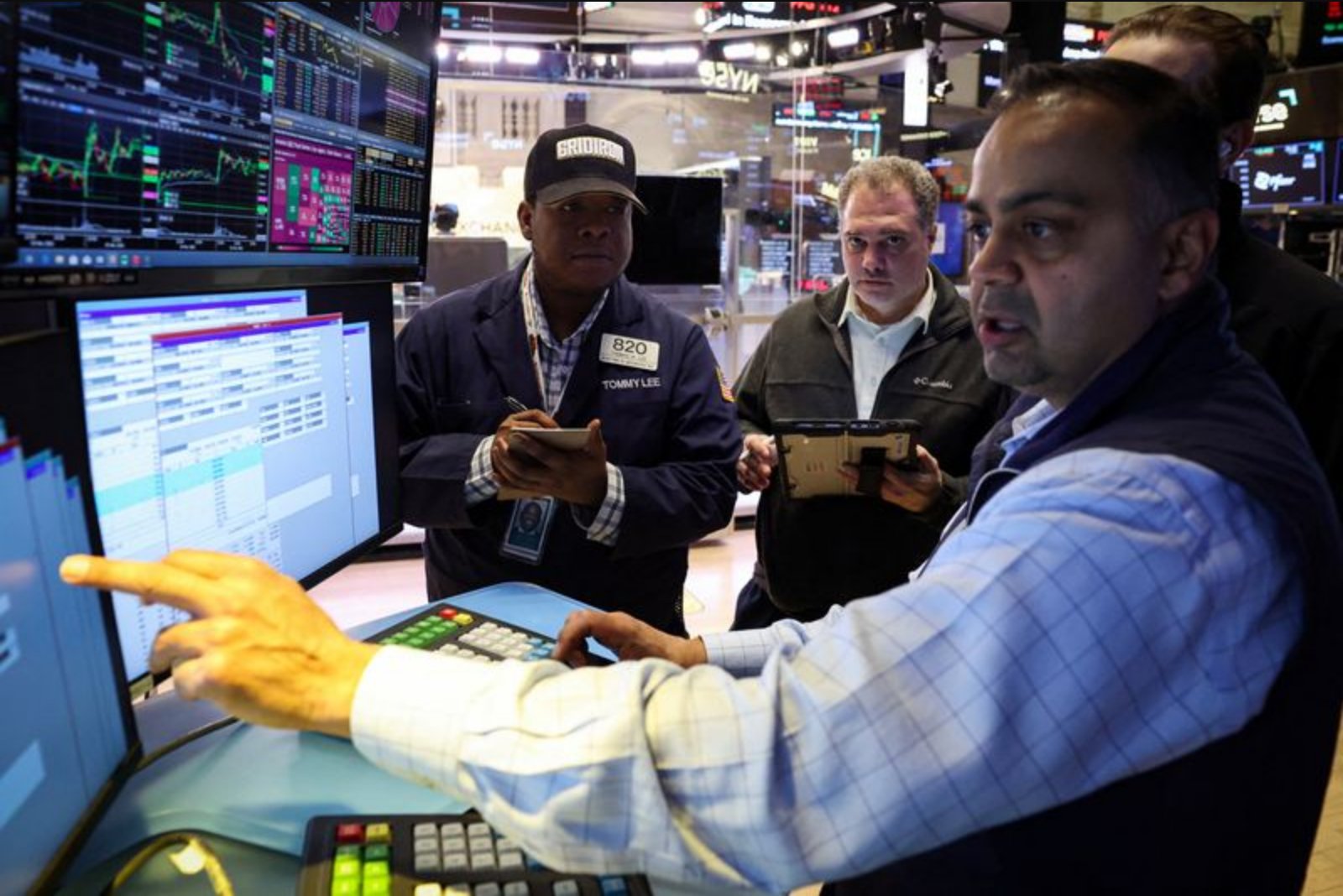
U.S. stock index futures traded with caution and contained volatility on Wednesday as market participants balanced abrupt swings in oil prices against an approaching consumer-inflation report and rising geopolitical tensions in the Middle East.
Energy markets saw sharp back-and-forth moves after reports surfaced that the International Energy Agency was considering tapping reserve supplies to steady global supply. Those reports came as intensifying air strikes in the region raised the prospect that shipping through the Strait of Hormuz would be curtailed for an extended period, a development with immediate implications for oil flows.
Despite the geopolitical risk, remarks earlier this week from President Donald Trump gave some investors reason to hope the conflict might not extend for months, a reassurance that helped temper risk sentiment. Still, oil prices fell from levels near $120 a barrel earlier in the week to trade under $90 a barrel.
Attention later in the session turned to a consumer-price report expected to show an acceleration in February, a move attributed in part to tariffs that were passed on to consumers. Those levies were ruled unconstitutional late last month. A stronger-than-expected reading on consumer prices could revive concerns that higher gasoline and broader energy costs will amplify inflation in the months ahead.
Markets have already adjusted the timing of Federal Reserve easing in response to the energy-driven inflation risk. Data compiled by LSEG show that expectations for a 25-basis-point rate cut by the Fed have shifted from July to September. At the same time, indicators that the jobs market is softening are likely to add complexity to policy deliberations at the central bank.
”The big concern for the markets is to what extent this supply shock leads to higher inflation, weaker growth, interest rates that are higher than they would otherwise have been, and lower profitability,” said Kyle Rodda, senior financial market analyst at Capital.com.
By 4:57 a.m. ET, Dow E-minis were down 131 points, or 0.27%, S&P 500 E-minis were down 9.75 points, or 0.14%, and Nasdaq 100 E-minis were down 38.5 points, or 0.15%. The market's fear gauge, the CBOE volatility index, ticked up 0.72 points to 25.65.
Corporate news influenced premarket positioning. Oracle forecast that the boom in AI data centers will lift its revenue above analyst estimates well into 2027, a projection that spurred a roughly 10% jump in its shares in premarket trading. Semiconductor names including Nvidia, Broadcom and Advanced Micro Devices were slightly higher in early activity.
Travel-related stocks, which are sensitive to fuel costs, displayed a mixed pattern: American Airlines inched up about 0.3% while Carnival slipped roughly 0.6%.
Investors planned to listen to remarks later in the day from Fed Vice Chair for Supervision Michelle Bowman for potential signals on policy direction. At the same time, attention turned to developments in the private-credit market after a report indicated that JPMorgan Chase marked down the value of certain loans held by private-credit groups and is tightening its lending to the sector.
On the individual company front, defense contractor AeroVironment fell 9.6% after projecting 2026 adjusted profit below consensus estimates. Athletic apparel maker Nike rose about 1.8% following an upgrade from Barclays to overweight from equal-weight.
This trading day underscored how a convergence of input-cost shocks, geopolitics and credit-market repricing can create a complex backdrop for equity markets. Oil-price moves and a high-profile inflation print are likely to remain key drivers of intraday shifts as traders and portfolio managers reassess timing for monetary easing and the implications for corporate margins and sectoral performance.