
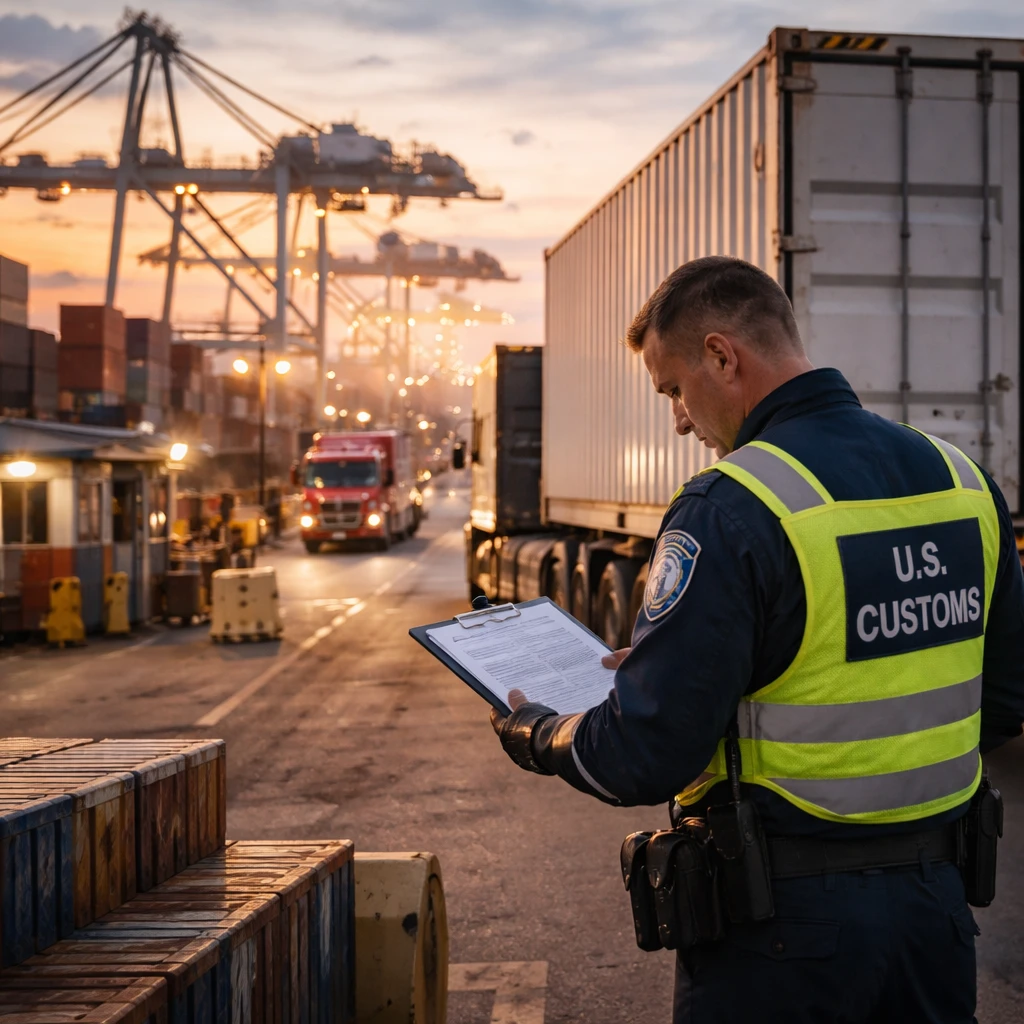
U.S. Customs and Border Protection said on Sunday it will cease collecting tariffs imposed under the International Emergency Economic Powers Act (IEEPA) starting at midnight, February 24, eastern time. The agency communicated the change via its Cargo Systems Messaging Service.
The agency's announcement comes days after the U.S. Supreme Court found that the president had exceeded his authority when issuing trade tariffs under the IEEPA. Customs clarified that the court's decision applies to duties levied under the IEEPA, and that collection of those specific tariffs will stop on the stated date and time.
Customs listed the categories of duties that will no longer be collected under the IEEPA: the so-called fentanyl tariffs, tariffs targeting countries that import Venezuelan oil, the broad "reciprocal" tariffs aimed at nations with large trade surpluses against the United States, and tariffs that had been imposed on Brazil.
At the same time, Customs emphasized the limited scope of the Supreme Court ruling. Tariffs enacted under other statutory authorities are unaffected by the decision and will remain in place. That includes the 25% aluminum tariffs and 25% duties on auto parts that had been applied under different legal frameworks.
In response to the court's decision, the president announced a plan to impose universal tariffs first at 10% and then raised to 15% under a separate statute - Section 122. Those proposed duties rely on a legal authority that has not been used by a prior president.
Officials have noted two constraints tied to the Section 122 route. First, any tariffs implemented under Section 122 would require Congressional approval to remain in force after 150 days. Second, because Section 122 is untested in this context, the measures could invite additional legal challenges going forward.
Clear summary
U.S. Customs will stop collecting tariffs imposed under the IEEPA from midnight eastern time on February 24 after a Supreme Court ruling that limited presidential authority under that law. The pause affects fentanyl-related tariffs, duties on imports linked to Venezuelan oil, broad reciprocal tariffs tied to trade imbalances, and tariffs on Brazil. Other duties, including 25% tariffs on aluminum and 25% levies on auto parts enacted under different laws, will remain active. The administration has signaled new universal tariffs under Section 122, which would require congressional approval after 150 days and could face legal challenges.