
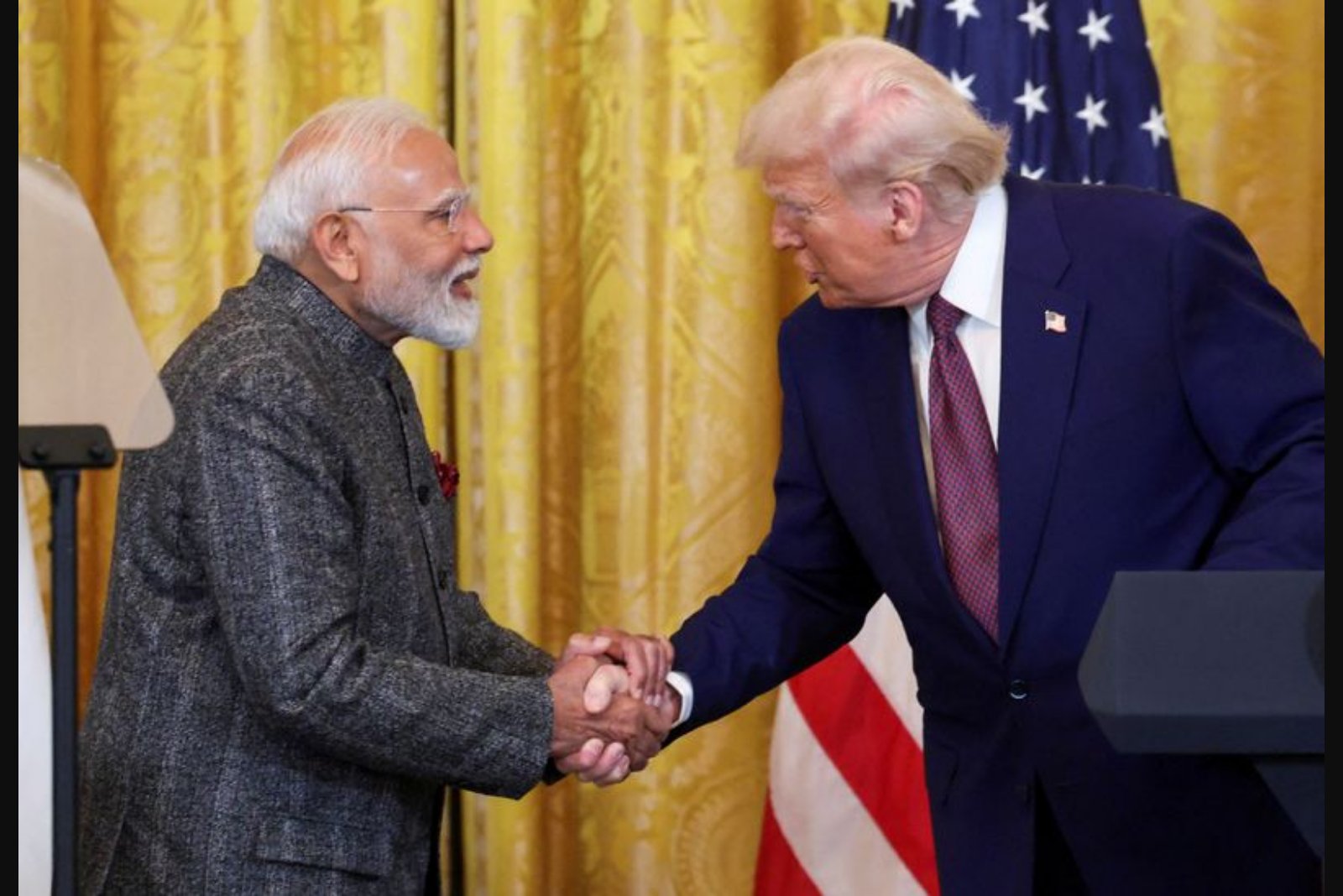
The United States and India disclosed an interim trade framework on Feb. 6 that sets out measures to reduce tariffs, reshape energy links and expand economic cooperation as both capitals work to reorient global supply chains. The two governments said the framework demonstrates a shared commitment to continue negotiating toward a broader bilateral trade agreement, while underscoring that additional negotiations remain necessary to finalize a full pact.
In a related move, U.S. President Donald Trump signed an executive order rescinding the extra 25% tariff levied on Indian goods that had been imposed in response to India's purchases of Russian oil. The executive order states that the additional tariff was removed because New Delhi "committed to stop directly or indirectly importing" Russian oil. The order also makes clear that U.S. officials will monitor India's actions and recommend reinstating the tariff if India resumes procuring oil from Russia, signaling continued U.S. pressure on India's energy ties with Moscow.
Despite the executive order, the joint India-U.S. statement accompanying the interim framework did not reference India's purchases of Russian oil nor record a formal pledge from India on the matter. Earlier in the week, President Trump had announced a deal with India that would reduce U.S. tariffs on Indian goods to 18% from 50% in return for India halting purchases of Russian oil and easing trade barriers. That 50% rate had been applied in two parts, with half imposed separately by the administration as a penalty for those Russian oil purchases, which the president said were supporting Moscow's war effort in Ukraine. The 25% component rescinded in the executive order represented that punitive portion tied directly to oil procurement.
Indian Trade Minister Piyush Goyal said the framework protects farmers and rural livelihoods, saying it "completely protect[s] sensitive agricultural and dairy products." He added that imports of genetically modified agricultural products would not be directly permitted because the framework contains no provision to allow them, and that certain fruits such as apples would be admitted under a tariff quota. When pressed about Russian oil, Goyal declined to comment and said the foreign ministry would respond.
India's opposition Congress party criticized the arrangement, asserting the trade deal was concluded on U.S. terms and inflicting harm on farmers and traders, calling the pact a "complete surrender" of national interests.
Friday's joint statement included additional specifics beyond earlier outlines. It confirmed that India will buy $500 billion in U.S. goods over a five-year span, identifying the categories to include oil, gas, coking coal, aircraft and aircraft parts, precious metals, and technology products. The technology category explicitly names graphics processing units, commonly used for AI applications, and other products employed in data centers.
The statement said India will remove or reduce tariffs on all U.S. industrial goods and on a broad set of U.S. food and agricultural products, among them dried distillers' grains and red sorghum for animal feed, tree nuts, fresh and processed fruit, soybean oil, wine and spirits.
On the U.S. side, most imports from India will remain subject to an 18% tariff under the framework. That rate will apply to categories including textiles and apparel, leather and footwear, plastic and rubber, organic chemicals, home decor, artisanal products and certain machinery. The statement also indicated that India will receive the same tariff relief on certain aircraft and aircraft parts that other allied countries have secured in U.S. deals, and that India will be granted a quota for auto parts imports that will face a lower tariff rate.
On pharmaceuticals, the statement ties outcomes to a concurrent U.S. tariff investigation. It said that depending on the results of the administration's probe into pharmaceuticals and their ingredients, "India will receive negotiated outcomes with respect to generic pharmaceuticals and ingredients."
Trade Minister Goyal described the framework as opening a market the size of U.S. annual GDP to Indian exporters, stating it would be worth $30 trillion and offering new opportunities for farmers, fishermen and micro, small and medium enterprises. He had previously said the two governments aimed to sign a formal trade agreement in March, after which India's tariff reductions on U.S. exports would take effect.
The framework also addresses non-tariff barriers. India agreed to tackle longstanding obstacles on imports of agricultural products, medical devices and communications equipment, and the parties set a six-month window to conclude negotiations on an arrangement to accept U.S. or international safety and licensing standards for those product imports.
Washington, for its part, affirmed it intends to consider India's requests for lower U.S. tariffs during continuing negotiations over the bilateral trade agreement. The two sides additionally agreed to cooperate on enforcing export controls for sensitive technologies and to take actions aimed at addressing what the statement called "non-market policies of third parties," language the joint text identifies as a reference to China.
The United States and India have long struggled to finalize a comprehensive trade accord, with outstanding disputes spanning agriculture, digital trade, medical devices and market access. Officials from both countries said that strategic considerations - including competition with China, supply-chain diversification and energy security - have increased the urgency behind current talks.
While the interim framework charts a path toward broader agreement, it leaves a number of items subject to further negotiation and contingent processes. Officials on both sides signaled that more detailed discussions and formal signatures remain necessary to convert the framework into a final, enforceable trade pact.