
GENEVA - The president of the United Nations General Assembly called on Tuesday for the United States to discharge its outstanding dues in full, after Washington submitted a partial payment that represents a small fraction of its overall arrears.
A U.N. spokesperson confirmed last week that the United States has paid about $160 million toward more than $4 billion it owes to the organization, an amount that amounts to less than 5% of the total outstanding bill. The United Nations Secretary-General has cautioned that the body faces "imminent financial collapse" as a result of unpaid fees.
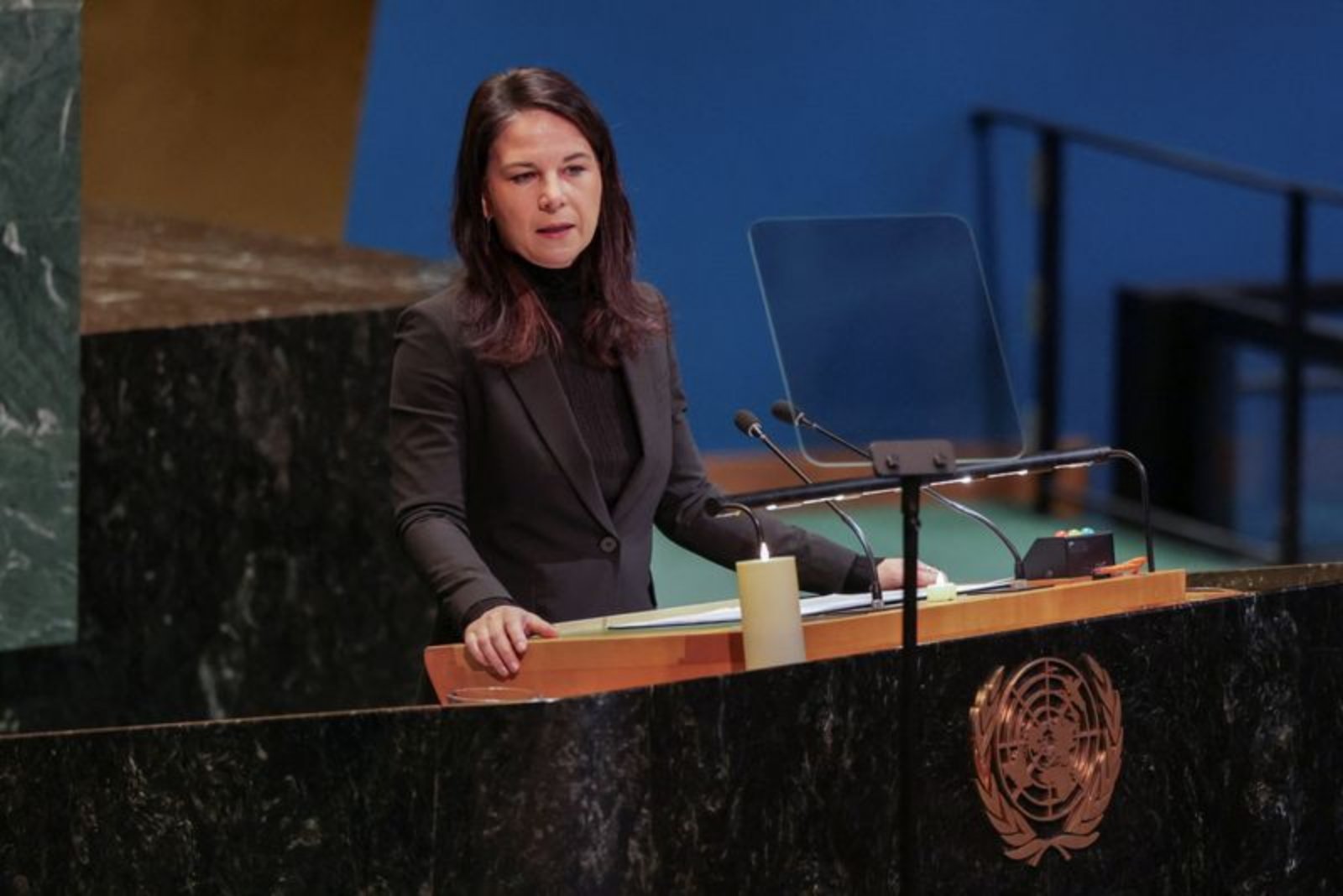
Speaking at a Geneva press briefing, Annalena Baerbock emphasized the principle that member states must meet their obligations on schedule. She said: "Every member states has to pay its contribution in full and on time, and $160 million is obviously not in full." Her remarks underscored concern among U.N. leadership about the shortfall and its potential consequences for the institution's functioning.
Baerbock was also asked about a U.S. initiative that has drawn scrutiny internationally. U.S. President Donald Trump last week hosted the first meeting of his Board of Peace initiative, a move some experts argue could undermine the United Nations. In response, Baerbock noted the specific circumstances in which the global body had endorsed the board: "the global body endorsed the board only in the context of Gaza." She added a broader affirmation of the United Nations' role, saying: "And for everything else regarding peace and security, we do have an international institution and legitimate body. It’s called the United Nations."
The combination of a sizeable arrears balance, the Secretary-General's warning about financial stability, and public comments from the General Assembly president highlights a period of heightened fiscal and institutional tension. Baerbock's insistence that member contributions be paid "in full and on time" reflects procedural expectations at the U.N. and signals pressure on a top contributor to resolve the deficit.
Context and implications
- The United States is identified as a top contributor that has submitted a partial remittance of about $160 million against more than $4 billion owed.
- The U.N. Secretary-General has warned of an "imminent financial collapse" tied to unpaid fees, a condition that risks constraining the organization's operations if not addressed.
- Separately, a U.S.-hosted Board of Peace initiative has raised questions about potential effects on the U.N.'s central role in peace and security; the General Assembly president stressed the endorsement of that board was limited to Gaza and reiterated the United Nations' broader mandate.