
Britain will consider requiring explicit labels on material produced by artificial intelligence as part of a wider review of copyright rules, the government announced on Wednesday. The move aims to reduce the risk that AI-generated disinformation and deepfakes mislead consumers, according to the statement.
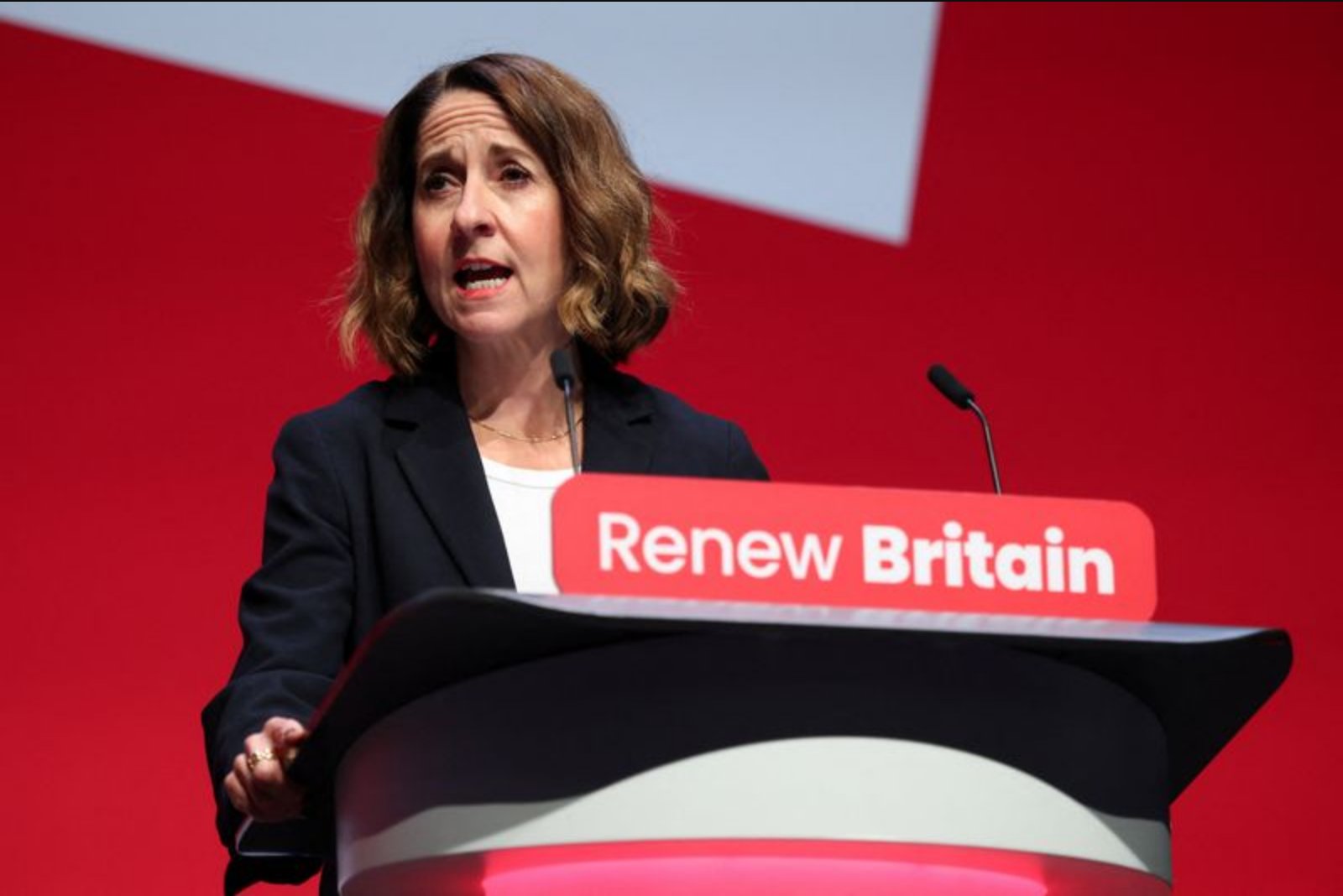
Technology minister Liz Kendall framed the work as a search for balance - protecting the commercial and moral interests of creators while enabling developers to continue innovating in the fast-growing AI sector. Kendall said the government will proceed cautiously and take time to "get this right".
The next phase of the government's copyright and AI work will also scrutinise other areas where policy intervention may be needed. Officials plan to examine harms arising when digital replicas of people are created without consent, consider mechanisms to give creators greater control over how their works are used online, and explore ways to bolster independent and smaller creative organisations.
The announcement follows a period of broad engagement with a range of stakeholders. Kendall said the government had consulted extensively with creatives, AI firms, industry bodies, unions, academics and organisations that deploy AI, and as a result it "no longer has a preferred option" on how to proceed.
"We will help creatives control how their work is used. This sits at the heart of our ambition for creatives - including independent and smaller creative organisations - to be paid fairly," Kendall said in the statement.
Regulators internationally are wrestling with the legal and ethical challenges posed by AI chatbots and other tools that can produce new material after being trained on widely available works by artists and authors. That public accessibility has increased scrutiny on how models are trained and how outputs are identified.
In 2024 the UK put forward proposals to loosen copyright constraints to allow developers to train AI models on material lawfully accessed, while giving creators the option to reserve their rights. Kendall reiterated the government's pro-AI stance, noting the UK is home to the third-largest AI industry globally and that the sector in Britain is growing 23 times faster than the wider economy.
The government statement did not set out a timetable for specific legislative changes. Instead it signalled a continuing policy process that will weigh technical feasibility, creative sector protections and broader public interest considerations as officials design potential reforms.
Summary
The UK will consider mandating labels for AI-generated content to protect consumers from deepfakes and disinformation, while also exploring consent issues for digital replicas, options for creators to control online use of their work and support for smaller creative organisations. The government has concluded it has no single preferred policy option after extensive engagement and emphasised a cautious approach to ensure both creator protections and AI sector growth.