
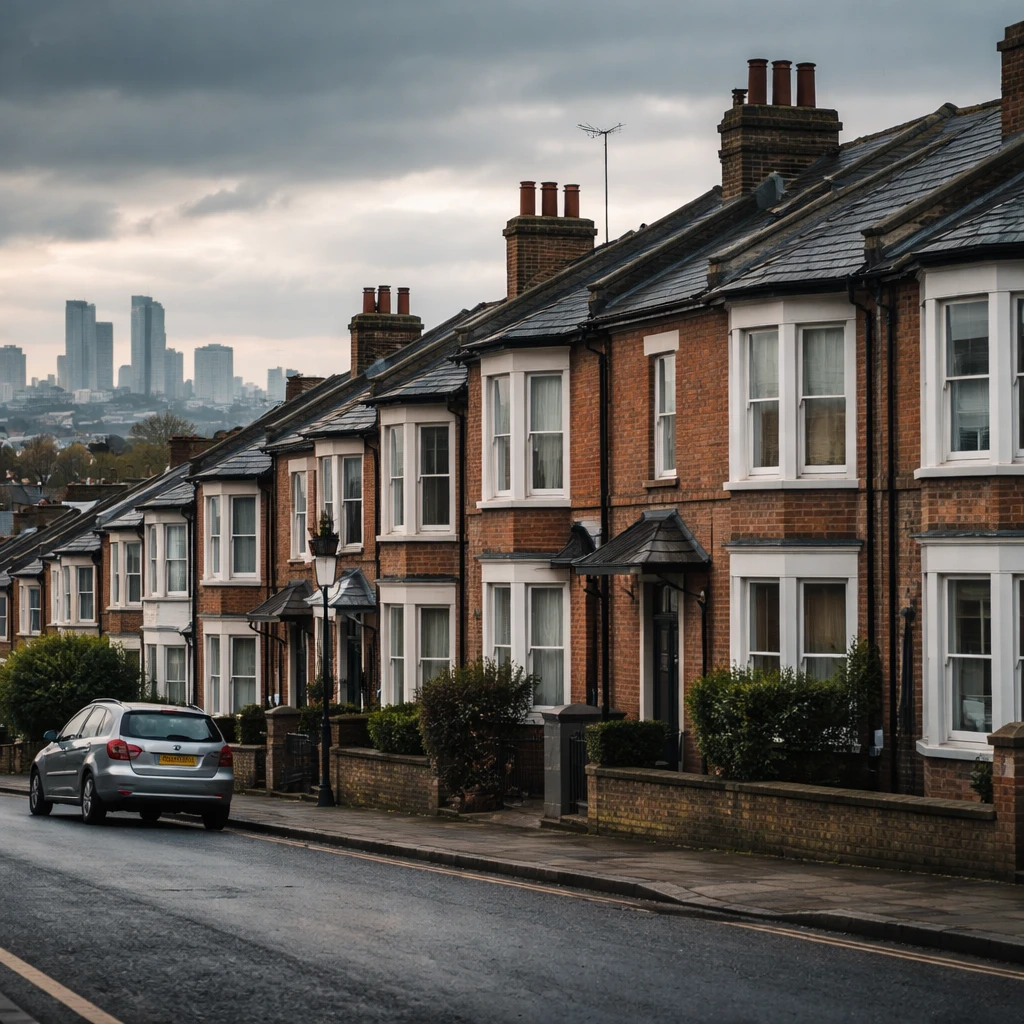
Housing analysts surveyed between Feb. 27 and March 18 now expect UK home price growth to moderate from earlier projections. The poll of 17 analysts produced an average forecast of a 2.5% rise in house prices this year, followed by gains of 3% in each of the next two years.
Those forecasts mark a downward revision from a December poll, which had predicted larger increases - a 2.8% rise in 2026 and 3.3% in 2027. The shift in sentiment among analysts is linked to a reassessment of interest rate prospects as geopolitical developments drive energy prices and complicate the inflation outlook.
"Looking ahead the Bank of England is going to have a difficult job and interest rates may now have to go up," said Ray Boulger of mortgage broker John Charcol, noting the inflationary consequences of the war on Iran. Boulger adjusted his own price projections to a 2% rise this year and 3% next year, down from the 4% increases he had forecast in December.
Mortgage lenders have raised rates noticeably since the outbreak of the conflict, contributing to a cooler demand backdrop. In London, which typically attracts significant foreign investor interest, the panel expects a more restrained path with prices rising about 1% this year, 2% next year and 2.8% in 2028.
Rents in urban areas are forecast to climb faster than house prices, with rental growth seen exceeding 3% this year and next. "After softening in 2025, rental growth on newly let homes across Britain is set to reaccelerate this year, likely running just ahead of broader inflation," said Aneisha Beveridge of estate agency Hamptons.
Survey respondents pointed to demand conditions that remain less buoyant than in previous years - more renters transitioning to homeownership, fewer students, and a larger share of young adults living with their parents for longer periods. However, several contributors stressed that supply constraints remain the dominant issue in the rental market.
Respondents referenced the Renters' Rights Act, legislation intended to overhaul the private rental market and increase tenant protections, which some critics argue could discourage landlords and reduce the number of properties available to rent. That dynamic, survey participants said, feeds into the limited rental supply that is helping to sustain rent rises.
On monetary policy, economists in a separate poll indicated that the Bank of England - which has already implemented a series of interest rate reductions - is likely to delay further cuts until April or June. Those economists have largely abandoned expectations of a cut this week as higher energy prices linked to the Iran war raise inflation risks.
Asked about affordability for first-time buyers, more than 80% of survey respondents - 10 out of 12 - said affordability would improve despite the near-term prospect of mortgages being pricier than anticipated and the ongoing difficulty many face in saving an initial deposit to enter the market.
The average asking price for a first-time buyer property is 226,995 pounds, which equates to about $303,243 using the rate $1 = 0.7486 pounds. At that price level, saving a 10% deposit is out of reach for a substantial share of potential buyers.
"We expect more competitive mortgage rates alongside a more muted outlook for price growth will improve affordability," said Marcus Dixon of real estate services firm JLL.
Context and implications
The poll results portray a housing market adjusting to a combination of higher and more volatile energy costs, shifts in landlord incentives following regulatory change, and a re-price of mortgage costs as lenders respond to the altered inflation outlook. Those forces have pushed market expectations away from immediate rate cuts and toward a period of more gradual price growth.