
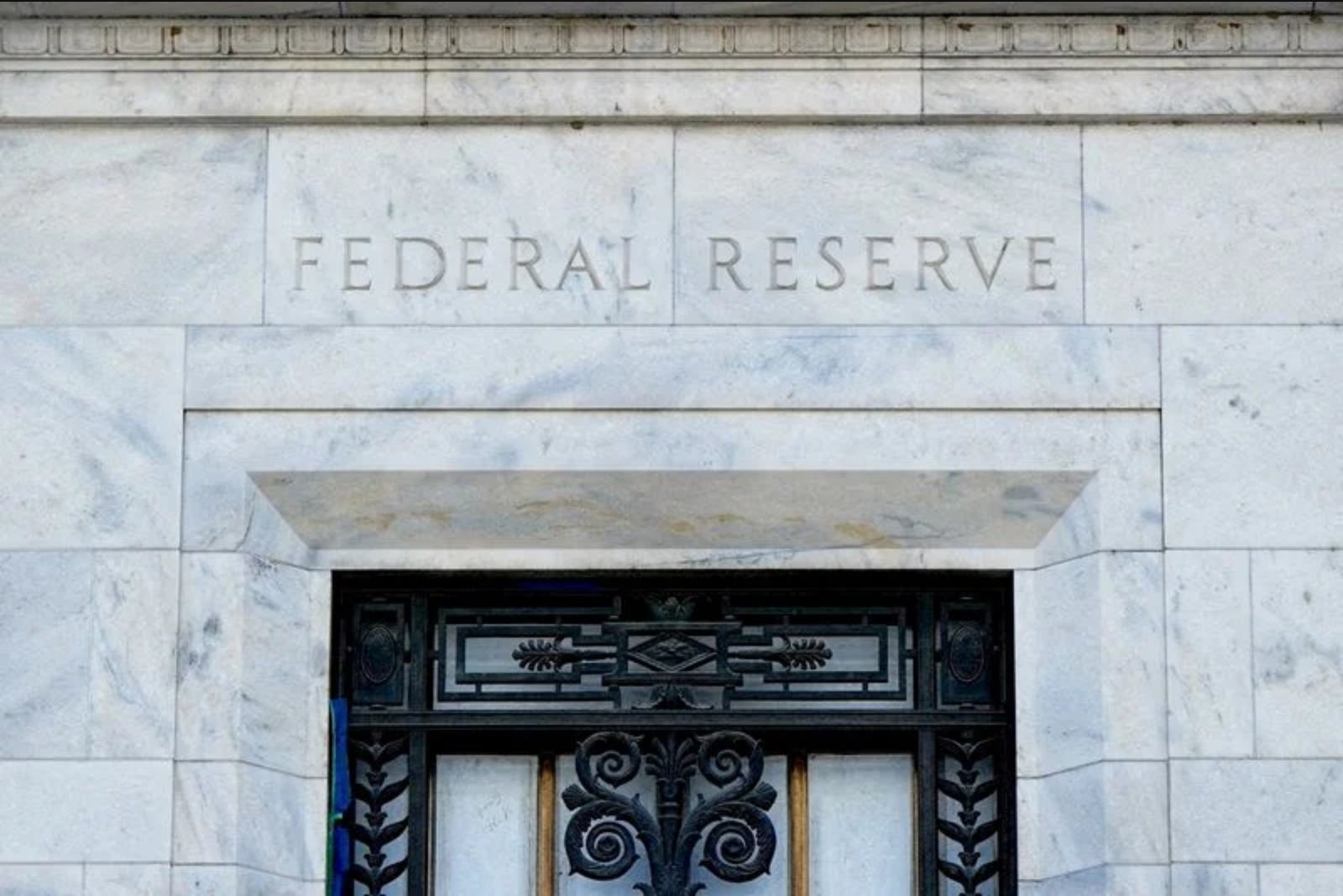
UBS Global Wealth Management has postponed its forecast for U.S. Federal Reserve rate cuts, now projecting the first reductions in March 2027 and June 2027 rather than in December 2026 and March 2027 as it previously expected. The firm no longer anticipates any easing of policy this year, citing expectations of a more hawkish tone from the Fed at its upcoming meeting.
In its note dated June 15, UBS Global Wealth Management laid out a revised path that calls for two 25 basis point cuts in 2027 - one in March and one in June. Those moves replace the prior timetable that had included a 25 basis point reduction in December 2026 followed by another in March 2027.
The Fed's policy decision is scheduled for Wednesday, and it will be the first meeting led by new chair Kevin Warsh. Policymakers are widely expected to keep interest rates unchanged at this meeting. UBS analysts said that despite the new chair's previously signaled more dovish views, they expect the central bank to adopt a more hawkish tone both in its policy statement and in the dot plot that summarizes policymakers' rate projections.
UBS highlighted the broader context around the meeting, noting that sequence of central bank gatherings this week - including a meeting of the Bank of England - will shape communications across major monetary authorities. The wealth manager warned that leading central banks will likely avoid a hasty swing back toward dovish language in reaction to recent geopolitical developments.
That geopolitical development was President Donald Trump's announcement on Monday that the United States and Iran had reached a preliminary agreement to end their conflict, a development UBS said has provided some relief to global financial markets. Even so, UBS expects central banks to exercise caution, watching incoming economic data in the coming months to determine whether an energy shock is producing second-round inflation effects that would warrant a different policy stance.
The outlook from UBS sits alongside other market signals. Major global brokerages broadly expect no Fed easing this year, with Citigroup and Wells Fargo noted as exceptions to that consensus. Market-implied odds tracked by the CME FedWatch tool show traders assigning roughly a 42% probability that the Fed will raise rates by 25 basis points in December of this year.
The combination of a potentially hawkish Fed tone, the revised timing for cuts, and ongoing monitoring of inflation dynamics and geopolitical developments frames UBS's updated view. Investors and market participants will be watching the Fed's statement and the dot plot closely for signs of how durable that hawkish stance may be.