
Economy March 19, 2026

UAE Reaffirms $1.4 Trillion US Investment Commitment Amid Regional Conflict

Ambassador says funding timetable and deployment plans remain on track despite Iranian attacks and regional tensions

By Avery Klein
UAE Reaffirms $1.4 Trillion US Investment Commitment Amid Regional Conflict

The United Arab Emirates has reiterated its pledge to a $1.4 trillion investment framework with the United States, with the UAE ambassador to Washington assuring companies that funding deployment and acceleration plans will proceed despite recent attacks linked to the wider Iran conflict. The ambassador highlighted hefty sovereign reserves, extensive defensive investments and rapid reopening of ports and airports as evidence of financial and operational resilience.

Key Points

  • The UAE's ambassador to the US reaffirmed a $1.4 trillion investment framework in a letter dated Tuesday to the US-UAE Business Council, stating deployment and funding plans will continue without disruption.
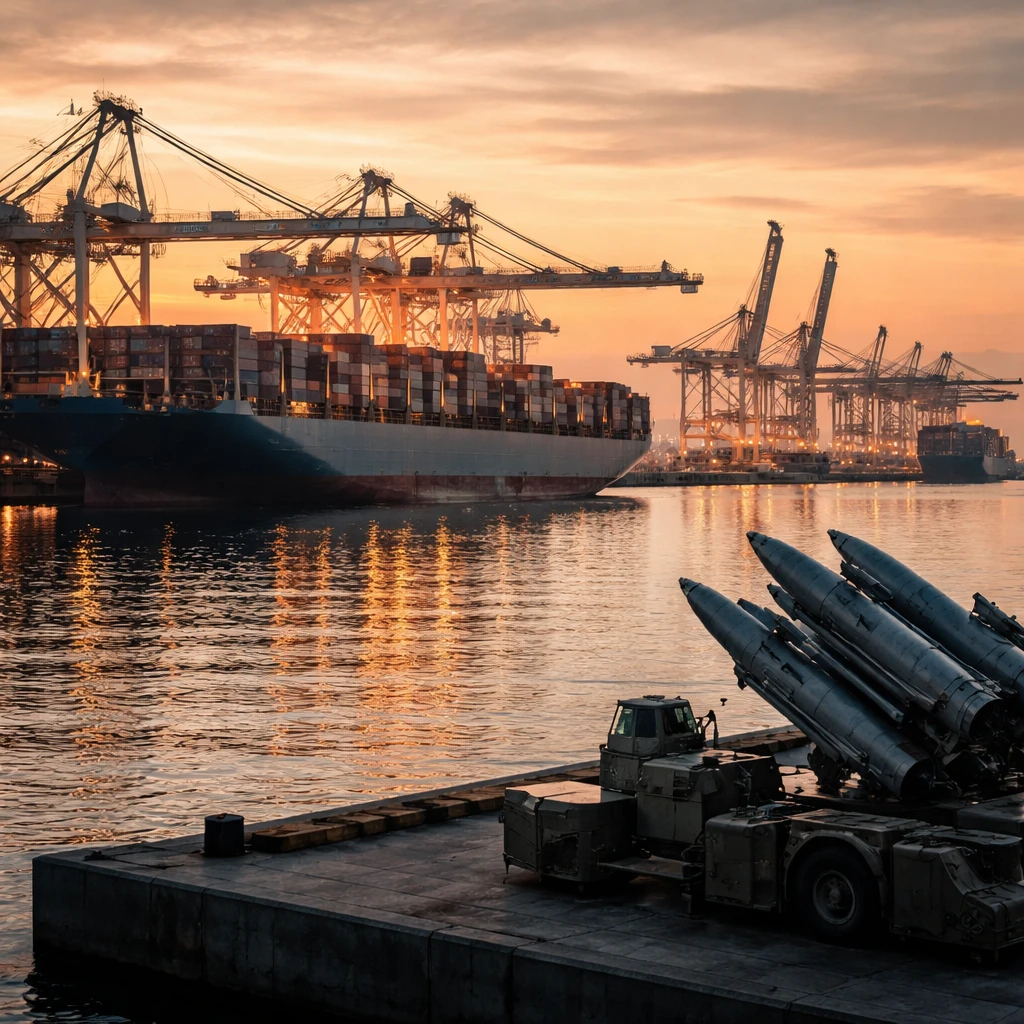
  • The ambassador highlighted that nearly 2,000 missiles and drones were launched at the UAE, with over 93% intercepted, and said ports and airports reopened quickly.
  • Officials pointed to sovereign wealth reserves exceeding $2 trillion and long-term investments in missile defense, supply chain resilience and infrastructure as foundations for financial and operational stability.

The United Arab Emirates' ambassador to the United States has restated his country's intention to follow through on a $1.4 trillion investment framework with the US, aiming to calm concerns that the ongoing war involving Iran could derail the Gulf state's financial commitments.

In a letter dated Tuesday to the US-UAE Business Council, Yousef Al Otaiba said the investment pledges announced last year would proceed without disruption. He added that plans to accelerate deployment and funding would remain on schedule.

The reassurance arrives amid broader questions about whether Gulf countries might curtail foreign investment as energy output declines and war-related costs weigh on public finances. The regional conflict has prompted scrutiny of how governments will prioritize spending and investment as defensive and reconstruction needs rise.

Al Otaiba addressed companies active in the UAE directly, asserting that infrastructure and public finances are robust. He reported that Iran had launched nearly 2,000 missiles and drones at the country and that more than 93% of those incoming weapons were intercepted. He also noted that ports and airports had been able to reopen quickly after the strikes.

The ambassador emphasized preparatory measures taken over years: the UAE has built sovereign wealth reserves of more than $2 trillion, strengthened supply chains and invested substantially in missile defense systems and resilient infrastructure.

Statements from senior UAE officials earlier in the week echoed that guarded posture. Anwar Gargash, a top adviser to President Sheikh Mohamed bin Zayed, said Iran miscalculated by targeting Gulf countries, and he argued the attacks would push the region closer to the US. Minister of State Reem Al-Hashimy described Tehran's attacks as unhinged.

Al Otaiba's correspondence comes after the start of a US-Israeli war on Iran last month, which led to retaliatory strikes by Iran on countries across the region. The UAE has experienced the heaviest retaliation, with attacks aimed at its energy infrastructure and airports.


While the ambassador's letter is framed to reassure investors and operating companies, the message also underscores the UAE's focus on preserving investment commitments alongside defense readiness and financial buffers.

Risks

  • Lower energy production and rising war-related costs could pressure public finances and raise questions about the pace of future foreign investments - sectors at risk include energy and sovereign investment flows.
  • Continued retaliatory strikes and broader regional escalation could disrupt infrastructure and logistics, affecting ports, airports and trade-dependent sectors.
  • Perceptions of geopolitical risk may weigh on market confidence and capital allocation decisions, potentially influencing investment timelines in construction, transport and energy-linked industries.

More from Economy

China detains traffickers in new crackdown on fentanyl precursor chemicals Mar 19, 2026 Orban Conditions EU Aid for Ukraine on Restoration of Druzhba Oil Flows Mar 19, 2026 Serbia Extends Ban on Crude and Fuel Exports Through April 2 to Protect Domestic Supply Mar 19, 2026 Swiss Watch Exports Resume Growth in February Led by U.S., Japan and France Mar 19, 2026 UK stocks slide as Middle East fighting deepens; BoE decision in focus Mar 19, 2026