
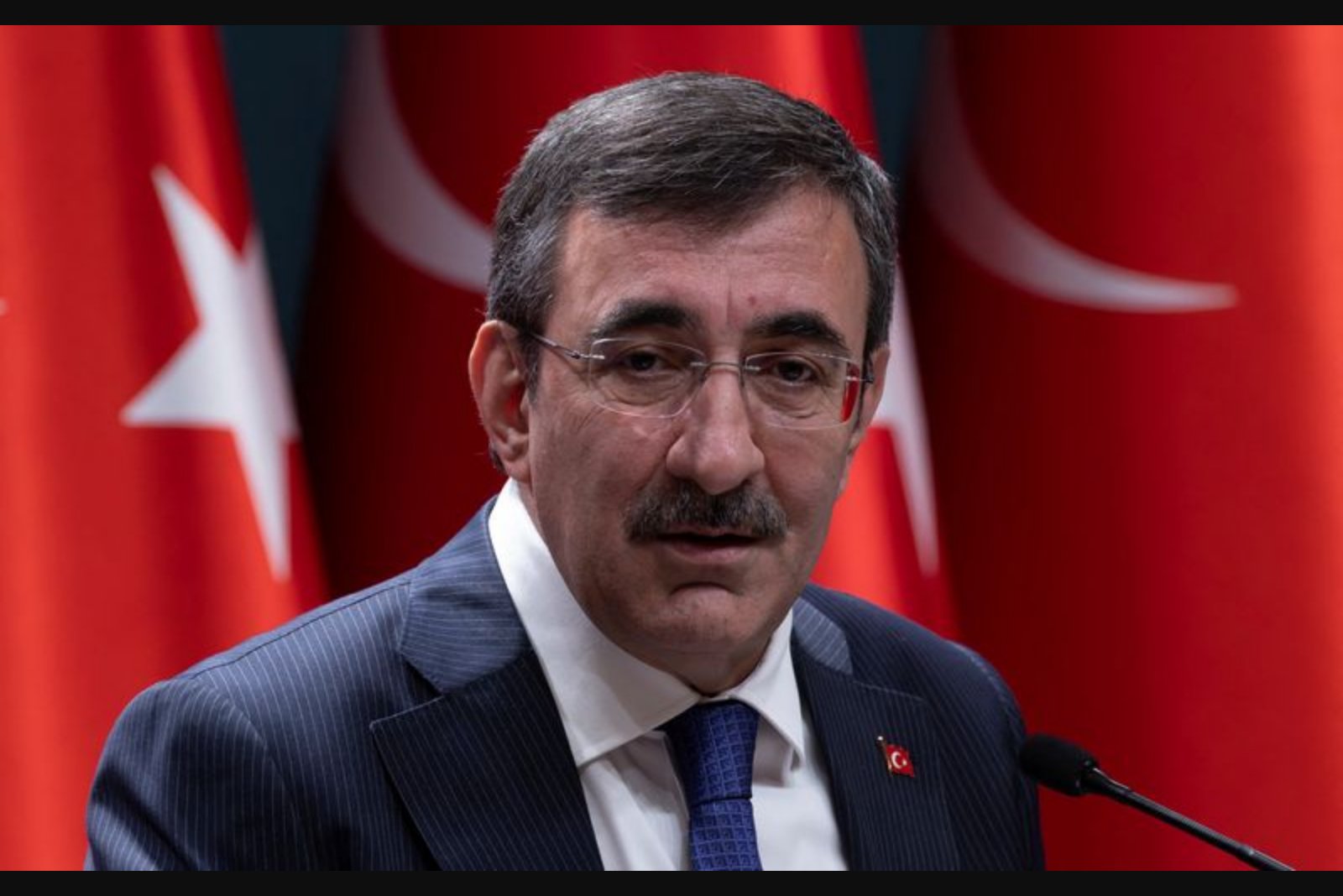
TURKEY - Turkey will keep monetary policy tight and adhere to fiscal discipline to push inflation down further, Vice President Cevdet Yilmaz said on Saturday. He made the remarks at an event in the southeastern province of Siirt following official data showing a higher-than-expected monthly rise in consumer prices for January.
Official figures released earlier this week showed consumer prices rose 4.84% month-on-month in January, a move officials said was driven in part by new year price adjustments and a notable increase in food and non-alcoholic drinks prices. Annual consumer price inflation, meanwhile, eased to 30.65%.
Reflecting on recent progress, Yilmaz noted that inflation has fallen 45 percentage points since May 2024, but he described that decline as insufficient and reiterated the government’s intention to continue reducing consumer price growth.
"We will maintain our tight monetary policy, we will keep our disciplined fiscal policies, we are determined to do this. But these are not enough either. On the other hand, we have to contribute to our battle with inflation through our supply-side policies," Yilmaz said.
On the monetary policy front, Turkey’s central bank reduced its key interest rate by a less-than-expected 100 basis points last month to 37%, citing firming inflation, pricing behaviour and expectations that could jeopardise the disinflation process. The central bank’s easing cycle resumed in July after a brief policy reversal earlier in the year attributed to political turmoil.
That July restart began with a 300-basis-point cut and was followed by additional reductions. Overall, the bank has eased policy by 1,300 basis points since 2024, a year in which it had held interest rates at 50% for most of the period in an effort to contain inflation expectations.
Industry voices have warned of economic consequences. The head of the Turkish Exporters Assembly said late last month that the prolonged period of tight economic policies had placed strain on manufacturers, and that high interest costs and other expenses could threaten Turkey’s official export target of $282 billion.
Officials framed the ongoing approach as a mix of monetary and fiscal discipline supported by intended supply-side measures, while acknowledging recent data and costs in the real economy that complicate the path toward lower inflation.