
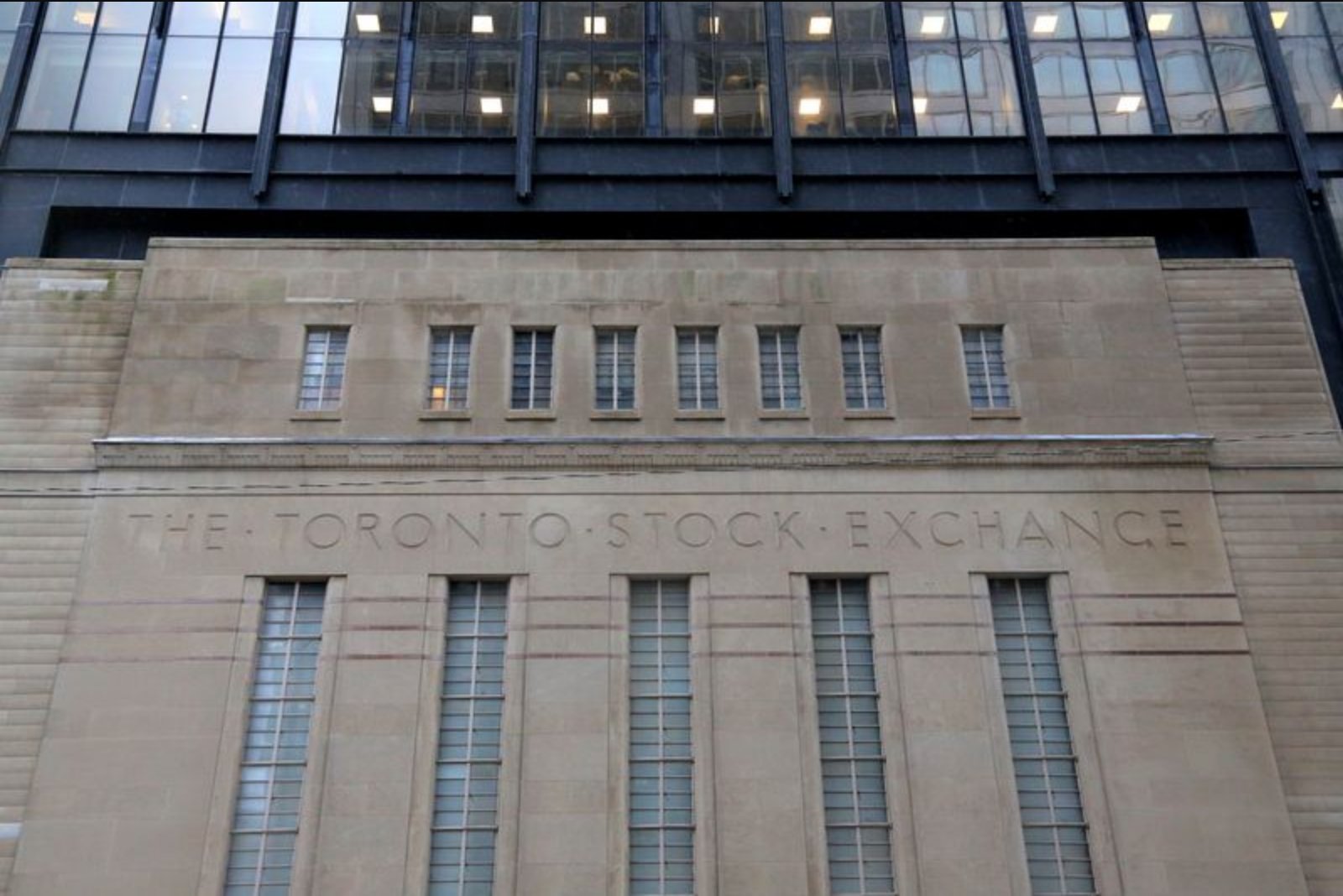
June futures on the S&P/TSX 60 index were up 0.22% at 6:37 a.m. ET (1037 GMT) as traders responded to fresh developments in the Middle East and awaited important domestic economic data.
Sources reported that the United States and Iran agreed to extend their ceasefire and to lift restrictions on shipping through the Strait of Hormuz, though the arrangement still requires the signoff of U.S. President Donald Trump. The news appeared to reduce immediate geopolitical risk and contributed to a modest improvement in sentiment across Canadian equity futures.
Energy markets moved in parallel. Oil prices fell 1.6% on Friday and were set to record a third straight session of declines, reflecting the market reaction to the shipping protocols and the broader risk-off backdrop that had eased.
Broader macro readings were a focal point for investors. Data released on Thursday showed U.S. inflation rose at its fastest pace in three years in April, a change attributed in part to higher energy prices. Against that backdrop, market participants were also bracing for Canada’s first-quarter GDP figures, due later in the day, which stood to influence positioning and near-term expectations for rates and growth.
Monetary policy expectations remained largely steady. Markets were pricing in a 97% chance of the Bank of Canada leaving its policy rate unchanged at the June meeting. On Thursday the central bank reiterated that the domestic financial system was in generally good shape but cautioned that vulnerabilities were increasing.
At the index level, Canada’s benchmark S&P/TSX Composite Index and the large-cap S&P/TSX 60 index were on track to post their second consecutive month of gains, supported by the combination of improved geopolitical sentiment and steady economic signals.
Market context and near-term drivers
- Geopolitical news - extension of the U.S.-Iran ceasefire and eased shipping restrictions through the Strait of Hormuz improved risk appetite.
- Energy prices - a 1.6% decline in oil on the session, heading for a third daily drop, influenced energy sector performance.
- Macroeconomic data - investors awaited Canada’s Q1 GDP release and digested U.S. inflation data showing the fastest annual increase in three years for April.
- Monetary policy - markets priced in a 97% probability that the Bank of Canada will hold rates at its June meeting amid central bank comments on rising vulnerabilities in the financial system.
Implications for sectors
- Energy: Lower oil prices weighed on the sector after the ceasefire extension and shipping news.
- Financials: Bank of Canada commentary on mounting vulnerabilities kept attention on banking and financial system resilience.
- Equities: Broad Canadian indices were positioned to register back-to-back monthly gains, reflecting improved sentiment.