
Economy January 22, 2026

Trump Signals Strong Countermeasures if Europe Sells U.S. Assets Amid Tariff Tensions

President asserts America holds leverage as European investors consider offloading U.S. Treasury holdings

By Jordan Park
Trump Signals Strong Countermeasures if Europe Sells U.S. Assets Amid Tariff Tensions

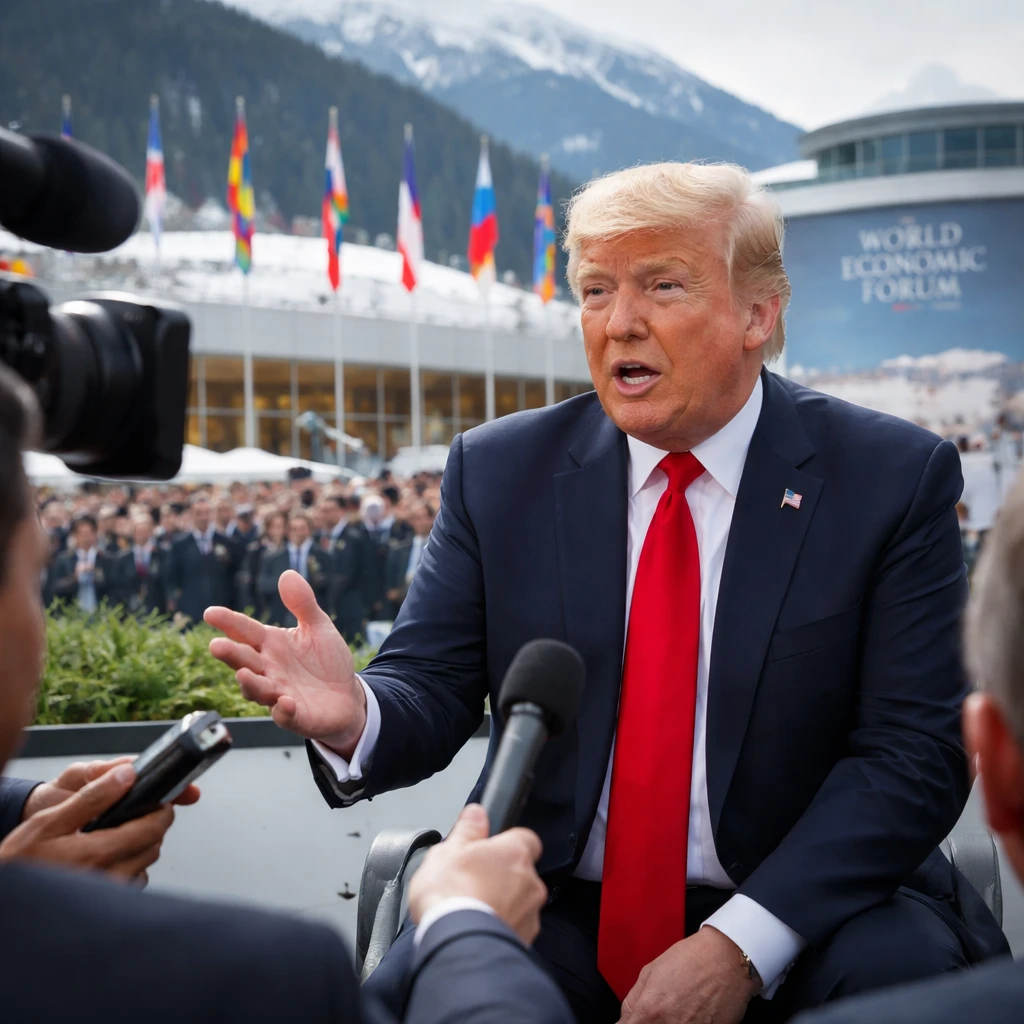
During the World Economic Forum in Davos, President Donald Trump warned European nations of significant retaliation if they proceed with selling U.S. assets in response to his tariff policies. The remarks follow announcements from Danish pension funds planning to reduce their exposure to U.S. Treasury securities, highlighting concerns about America's fiscal sustainability. Despite these developments, U.S. Treasury officials have downplayed the impact of potential sales on financial markets.

Key Points

  • President Trump warned of strong retaliatory actions should European countries sell U.S. assets amid tariff disputes, asserting U.S. economic leverage.
  • Danish pension fund AkademikerPension intends to divest fully from its U.S. Treasury holdings due to concerns over U.S. government's creditworthiness and fiscal sustainability.
  • U.S. Treasury Secretary downplayed potential market risks of such sales, while private and sovereign institutional investors weigh the complexity of large-scale asset reallocations.

In a statement delivered during a Thursday interview with Fox Business at the World Economic Forum in Davos, President Donald Trump issued a firm warning regarding potential financial actions by European countries in retaliation to his tariff measures. Trump indicated that if European nations decide to sell off their U.S. assets, the United States would respond with substantial counteractions, emphasizing, "We have all the cards."

This declaration comes as Denmark's AkademikerPension, a pension fund managing roughly $25 billion earmarked for educators and academics, announced plans to divest entirely from its U.S. Treasury holdings by January's end. The fund's chief investment officer, Anders Schelde, attributed this decision to concerns over the long-term sustainability of U.S. government finances, describing the U.S. as "basically not a good credit".

Holding about $100 million in U.S. Treasury notes, AkademikerPension's move reflects growing doubts regarding credit risks associated with U.S. fiscal policy amidst political tensions. Similarly, Greenland's SISA Pension is reportedly evaluating its stance on continued investments in U.S. equities.

The uproar intensified after President Trump’s previously proposed tariff increases on imports from eight European countries aimed at gaining leverage over Greenland, which raised speculation about Europe potentially unloading trillions in U.S. bonds and stocks as a retaliatory response. Nonetheless, executing such widespread selloffs could be complex. Much of these assets reside in private investment funds outside direct governmental control, although large institutional holders like Norway’s sovereign wealth fund possess the capacity to influence U.S. capital markets through significant asset reallocations.

Despite these developments, U.S. Treasury Secretary Scott Bessent expressed minimal concern about the plans of Danish pension funds, indicating a confidence in the resilience of U.S. Treasury markets. This evolving situation encapsulates rising economic uncertainties linked to international trade disputes and fiscal policies, with ramifications extending to global bond markets and equity investors.

Risks

  • Potential escalation of trade tensions leading to significant financial retaliations by the U.S., impacting diplomatic and economic relations with Europe.
  • The planned divestment of U.S. Treasury securities by European pension funds could introduce volatility into U.S. bond markets, affecting interest rates and investment portfolios.
  • Uncertainty surrounding the influence of private versus sovereign investors' actions on the stability of U.S. capital markets amid geopolitical tensions.

More from Economy

Bessent Says Signs Point to Stronger Labor Demand After Capex Surge Feb 20, 2026 Bessent: Administration to Shift Tariff Strategy After Supreme Court Ruling Feb 20, 2026 Trump Repeats Call for Much Lower Interest Rates, Criticizes Fed Chair Feb 20, 2026 White House to Apply 10% Global Tariff for 150 Days, Citing Trade Act Authority Feb 20, 2026 Trump directs temporary 10% global tariff under Trade Act after Supreme Court rebuke Feb 20, 2026