
President Donald Trump said on Friday that Israel could be prepared to bring its war with Iran to an end following the completion of U.S. military operations. When asked directly whether Israel would conclude hostilities after U.S. action wraps up, Trump replied, "I think so."
Trump characterized U.S. and Israeli aims in the region as "more or less similar things," indicating a perceived alignment of objectives between the two countries.
On the question of a ceasefire, the president was explicit in his preference. "I don't want a ceasefire with Iran," he said, while also noting that dialogue with Tehran remains possible: "We can have dialog with Iran but I don't want a ceasefire."
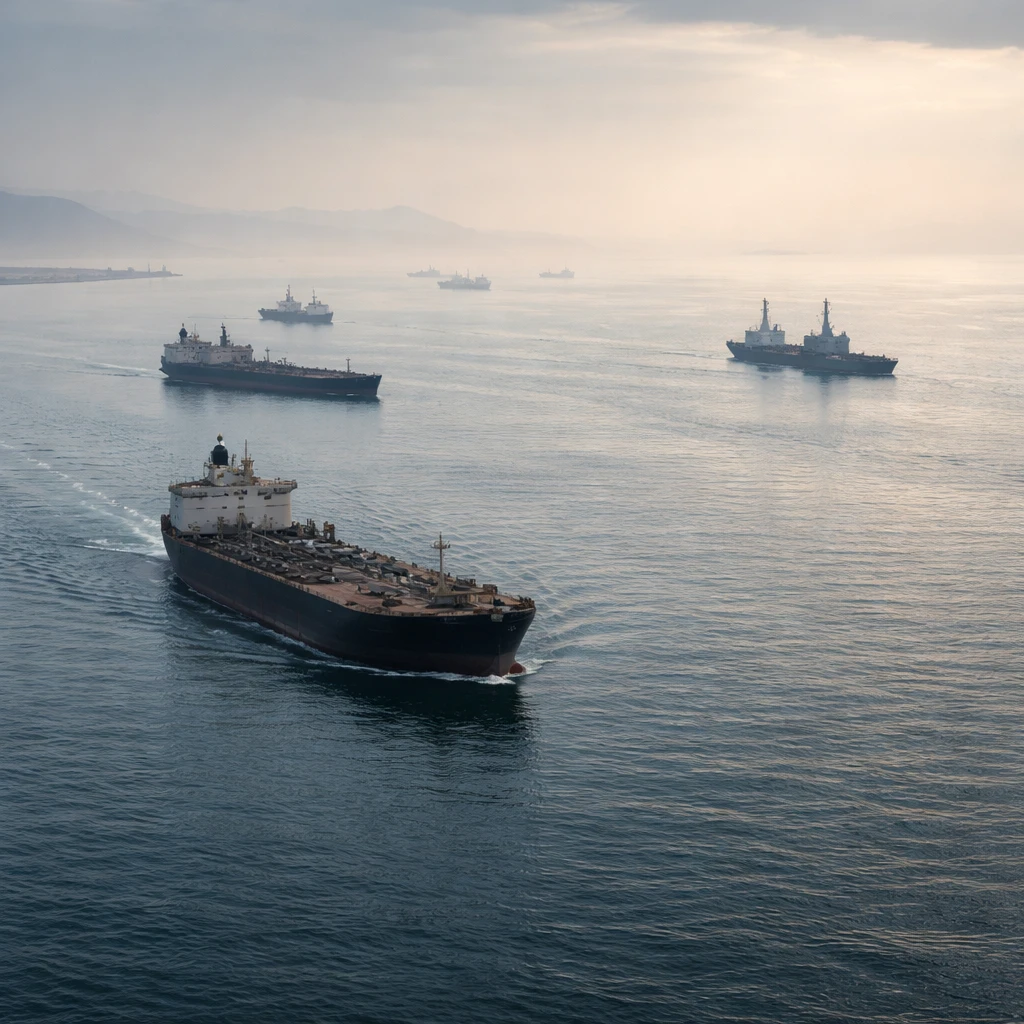
Turning to maritime concerns, Trump commented on the Strait of Hormuz, saying the United States does not need that particular waterway and suggesting that other countries should play a role. He referenced nations such as Korea, Japan, and China as examples of countries that could be involved and added, "Would be nice if countries help." Speaking further about the strait's status, he said, "at a certain point it will open itself."
Trump also indicated that U.S. military strikes against Iran are moving forward faster than planned, stating that they are progressing "weeks ahead of schedule."
When pressed about any specific operations or objectives related to Kharg Island, the president declined to provide details, saying only, "I may have a plan or I may not."
Key points
- Trump suggested Israel may end its conflict with Iran after U.S. military actions conclude - this touches on defense and geopolitical dynamics.
- The president rejected a ceasefire while leaving open the possibility of dialogue with Iran - this is relevant to diplomatic and security sectors.
- Comments on the Strait of Hormuz and the involvement of nations such as Korea, Japan, and China highlight implications for maritime trade and energy shipping lanes.
Risks and uncertainties
- Unclear timeline and outcomes - while strikes are said to be "weeks ahead of schedule," details on the duration and consequences of operations are not provided; this affects defense planning and regional stability.
- Ambiguity over policy toward ceasefire and engagement - Trump stated he does not want a ceasefire but that dialogue is possible, creating uncertainty for diplomatic and economic actors monitoring advances or pauses in hostilities.
- Undetermined plans regarding Kharg Island - the president's comment that he "may have a plan or may not" leaves the status of specific targets or strategies unresolved, which could influence military and maritime considerations.
Context and limitations
The remarks reported here are limited to the statements provided by the president. They convey positions and assertions but do not include additional operational details, confirmed timelines, or responses from other governments. Where the president expressed openness to dialogue or suggested the participation of other countries, no further commitments or clarifications were supplied in these remarks.