
President Donald Trump has turned down offers from Iran aimed at halting hostilities, declaring that the U.S. offensive labeled Operation Epic Fury will continue until Tehran accepts more stringent conditions, including the complete relinquishment of its nuclear program.
In a Saturday interview with NBC, Trump said Iran was "ready to make a deal," but he characterized the proposals on the table as inadequate to meet U.S. strategic objectives. The administration is maintaining a "maximum pressure" posture while urging an international naval task force - comprising China, France, Japan, South Korea and the U.K. - to act to reopen the Strait of Hormuz, the globe's most vital energy chokepoint.
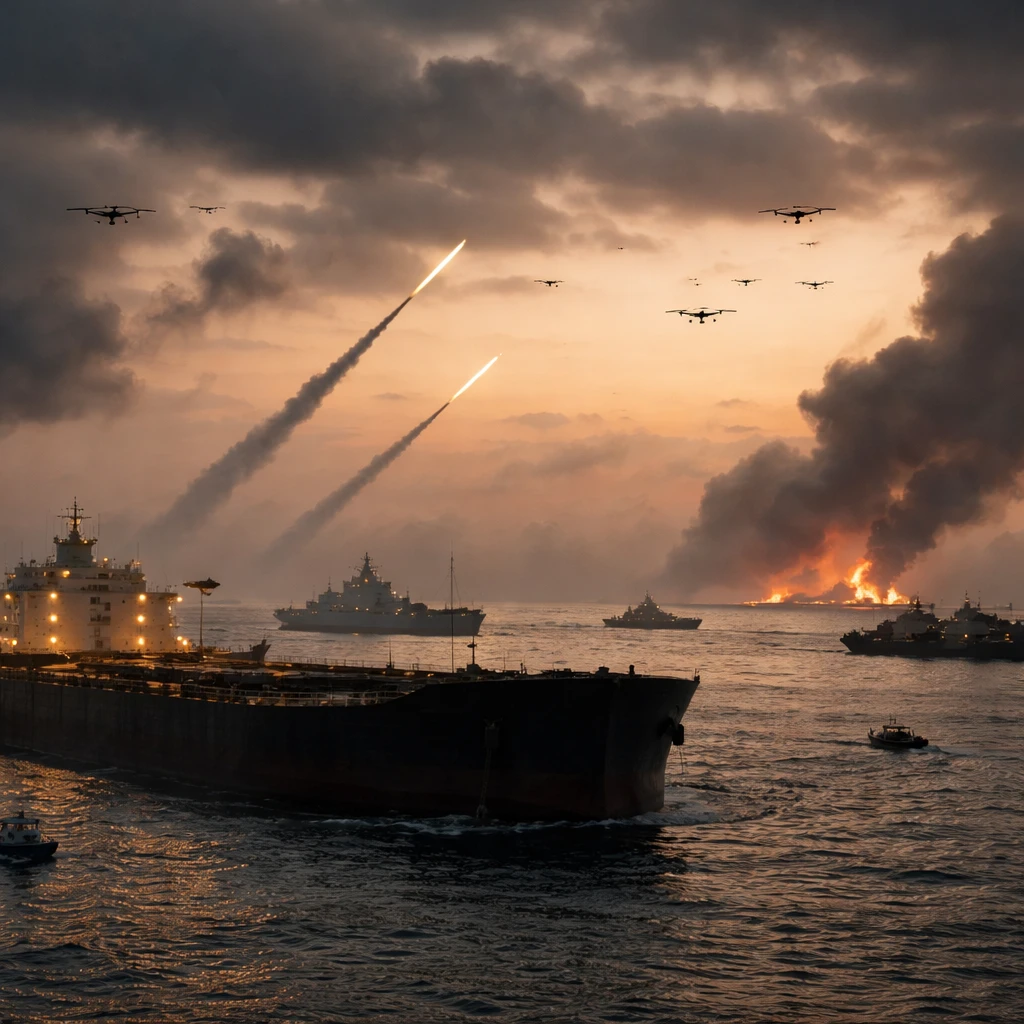
The U.S. demand for tougher terms follows a sequence of heavy strikes on Kharg Island, Iran's chief export terminal. Trump said military installations there had been "obliterated," and added that Iranian oil facilities on the island were left intact "for reasons of decency." He warned, however, that this restraint could be withdrawn if Iran keeps employing mines and drones against commercial vessels. At least 16 ships have been struck in the campaign so far, and leading crude producers including Saudi Arabia, Iraq and Kuwait have curtailed output.
The conflict has now passed into its third week, with a regional death toll approaching 3,750. The effective closure of the Strait of Hormuz has kept global crude prices close to the $100-per-barrel level, reflecting the strain on seaborne trade routes and the broader energy supply chain.
Overnight developments expanded the battlefield as Iran carried out retaliatory strikes across the Persian Gulf, directing attacks at Israel and regional energy centers. Officials in the United Arab Emirates reported intercepting a large onslaught consisting of 1,600 drones and 300 missiles since hostilities began. Explosions were reported over Dubai as air defenses engaged incoming projectiles.
Tensions were further inflamed by Tehran's accusation that strikes on Iranian soil had been launched from UAE territory. The port of Fujairah - a strategic bypass for the Strait of Hormuz - briefly suspended operations after a drone-related fire, but reported a resumption of loading on Sunday. Analysts view the functioning of this alternative route as essential to averting a full collapse of Gulf export capacity.
Additional regional incidents include Saudi forces intercepting drones near Riyadh and Qatar halting some LNG operations. Observers describe the region's makeshift "energy shield" as being severely tested, with the ongoing war of attrition raising the prospect of enduring disruption to the global fuel cycle.
As diplomatic channels remain strained, the U.S. stance is to press for stricter Iranian concessions while keeping military pressure in place. The administration has also signaled willingness to escalate attacks on energy infrastructure should assaults on commercial shipping continue, a posture that adds to uncertainty for markets and supply lines dependent on Gulf exports.