
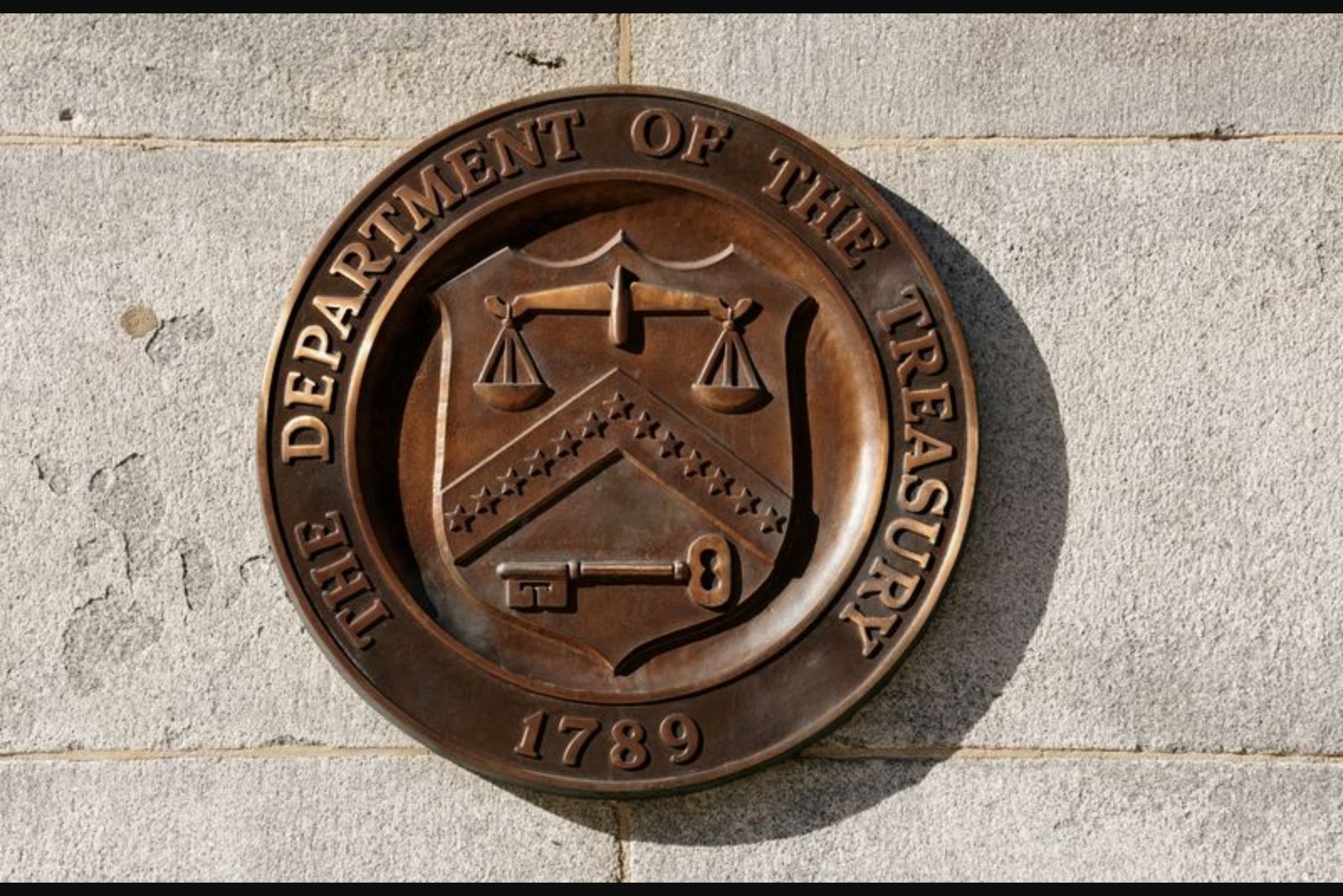
Senior officials from the U.S. Treasury and Federal Reserve said on Tuesday they are preparing a comprehensive reassessment of bank liquidity rules, arguing that the current regulatory framework has constrained banks’ ability to lend and has discouraged the use of established liquidity tools.
At a regulatory roundtable, Treasury Under Secretary for Domestic Finance Jonathan McKernan criticized the existing system, saying it "has excessively and unnecessarily limited banks’ ability to do what they are supposed to do—lend." He proposed that banks receive regulatory credit for meeting liquidity requirements when they preposition collateral at the Federal Reserve’s discount window.
The discount window is intended to be a rapid source of liquidity for banks, but the industry has often avoided it because tapping the facility can be perceived as a sign of weakness. McKernan argued that if regulators formally acknowledged collateral placed at the discount window as potential borrowing capacity, it could reduce that stigma. He also said that any recognition should be capped so that banks still hold sufficient on-balance-sheet resources to withstand potential runs, and that the cap could be adjusted during periods of stress.
The comments indicate the Trump administration is likely to move on liquidity-rule changes soon, part of a broader effort to overhaul bank regulatory requirements. McKernan presented his remarks as part of a wider conversation about ensuring banks use tools designed to keep them afloat in stress, while minimizing the amount of funds they must set aside under current rules.
Regulatory attention to liquidity rules intensified after the abrupt failure of Silicon Valley Bank in 2023, when the institution experienced a large deposit outflow in a matter of days. That episode sharpened focus on how liquidity frameworks can be tuned to ensure ready access to funds during periods of market stress.
Also speaking on Tuesday, Federal Reserve Vice Chair for Supervision Michelle Bowman said the discount window requires "fundamental reform." Bowman noted that access to the window is handled inconsistently across the system's 12 regional Federal Reserve banks, with each developing its own processes and rules for access. That variation, she suggested, is an important aspect of the current framework in need of review.
Officials framed revisions as a way to encourage prudent use of liquidity tools while preserving incentives for banks to maintain strong internal buffers. Proposals discussed include formalizing recognition for prepositioned collateral, setting caps on that recognition, and providing flexibility to change caps when stress conditions emerge.
Summary
Treasury and Fed officials are proposing a full review of liquidity regulations to remove barriers that limit lending and to make the discount window a more usable source of liquidity. The discussion centers on recognizing collateral placed at the discount window as part of liquidity capacity, subject to caps and adjustments during stress.
Key points
- Regulators contend current liquidity rules have limited banks’ lending capacity and discouraged use of the discount window.
- Officials propose giving banks credit for prepositioned collateral at the Fed’s discount window, with capped recognition that could be adjusted during stress.
- Sectors most affected include commercial banks, financial markets, and the broader lending ecosystem, where liquidity treatment influences credit availability and market confidence.
Risks and uncertainties
- Changing recognition of discount window collateral could reduce stigma but might also alter banks’ incentives for on-balance-sheet liquidity - affecting the banking sector and short-term funding markets.
- Inconsistent application across the Federal Reserve’s 12 regional banks remains a concern, creating uncertainty for institutions operating in different districts - impacting regional banks and market participants.
- The possibility of deposit runs, highlighted by the 2023 Silicon Valley Bank collapse, continues to shape the debate on how rules should be adjusted to safeguard access to funds during rapid outflows - with implications for deposit-taking banks and their commercial customers.